
Cockroaches are one of the most stubborn household pests in Toronto, and they’re especially skilled at finding their way inside. Caulking to prevent cockroaches Toronto is one of the most effective, affordable methods homeowners overlook—yet it’s the first line of defense against infestations. Unlike traps or chemical sprays, proper caulking eliminates the pathways roaches use to enter your home in the first place, addressing the root cause rather than treating symptoms.
A single gap as thin as a credit card is enough for a cockroach to squeeze through. Over time, caulk degrades, pipes settle, and foundation cracks widen—creating dozens of entry points that most homeowners never inspect. The good news: sealing these gaps with the right materials and technique is straightforward, inexpensive, and something experienced handymen can complete in a single visit.
At RenoHeal, we’ve completed over 3,500 projects across the GTA, including targeted caulking work to seal pest entry points. This guide walks you through exactly where roaches enter, what you need to seal them out, and how to prevent them from coming back.
Why Toronto Homes Are Especially Vulnerable to Cockroach Entry
Toronto’s housing stock is predominantly older—many homes were built between the 1920s and 1980s—and age works against pest prevention. Original caulking hardens, cracks, and pulls away from gaps around pipes, baseboards, and trim. Foundation settling creates new spaces roaches exploit, and wooden door frames shrink over decades, leaving gaps at thresholds and corners.
Ontario winters also drive roaches indoors aggressively. When outdoor temperatures drop below 10°C, cockroaches lose activity and seek warmth and shelter. Your heated home becomes a refuge, and any open gap becomes an highway. In North York, Scarborough, and Thornhill, where winters regularly hit –10°C or colder for weeks at a time, this seasonal pressure is severe.
Dense housing in Toronto and Mississauga amplifies the problem. Roaches easily move between units through shared plumbing, electrical chases, and gaps in party walls. If a neighbor has an infestation, your sealed entry points become critical—without them, roaches will find their way through.
Where Cockroaches Actually Enter: The Gaps You’re Missing
Most cockroach entry points are invisible to the untrained eye. Homeowners focus on obvious holes and windows, but miss the small, consistent gaps that roaches prefer: tight spaces where they feel protected while crawling through.
Kitchen Pipe Penetrations
Pipes under the sink, water supply lines, and gas connections are the #1 entry point we see. Pipes were installed first, walls built around them—leaving gaps of ¼ inch to ½ inch on all sides. Roaches use these gaps daily, especially in Etobicoke and North York where older plumbing is common. Caulking these gaps with DAP DryDex or similar polyurethane caulk seals them completely.
Baseboard and Wall-Base Gaps
Baseboards shrink and pull away from walls and floors as wood ages and humidity fluctuates. A gap of 1/8 inch along a 10-foot baseboard represents significant entry space. This is especially true in kitchens and bathrooms where moisture causes more movement. Caulking the entire base of affected baseboards (not just visible gaps) stops roaches traveling along wall cavities.
Bathroom Caulk Failures
Existing caulk around tubs, showers, and sink basins often shrinks or peels—sometimes leaving ½-inch gaps. These wet areas are attractive to roaches seeking moisture. Bathroom vanities also have gaps underneath where pipes enter cabinets. Removing old, failed caulk and reapplying high-quality acrylic latex or silicone caulk is essential.
Utility Penetrations and Cable Entries
Holes drilled for electrical cables, gas lines, and plumbing rarely get sealed after installation. Look behind dishwashers, ranges, fridges, and water heaters—roaches congregate here. In Markham and Vaughan, newer subdivisions often have gaps where HVAC ducts enter walls. These require caulking or foam sealant to close.
| Entry Point | Common Size | Sealing Material | Priority |
|---|---|---|---|
| Under-sink pipes | ¼–½ inch | DAP DryDex or polyurethane | Highest |
| Baseboard gaps | ⅛–¼ inch | Acrylic latex caulk | High |
| Bathroom vanity underside | ⅜–¾ inch | Silicone or polyurethane | High |
| Electrical outlets/switches | 1/16–⅛ inch | Acrylic latex or foam | Medium |
| Door thresholds | ¼–⅜ inch | Silicone caulk or weatherstripping | High |
| Utility cable holes | ½–1 inch | Foam sealant + caulk | Medium |
If your home hasn’t had a professional inspection for pest entry points, now is the time. Get a free estimate from RenoHeal to identify gaps specific to your Toronto or GTA home—we’ve worked in Richmond Hill, Brampton, and beyond and know exactly where roaches hide.
How Caulking to Prevent Cockroaches Works in Toronto Homes
Cockroaches need three things to establish themselves: food, water, and shelter. Caulking removes the shelter part by sealing the gaps they use to hide and travel. In Toronto’s older homes and newer condos alike, these gaps are everywhere—between baseboards and walls, around pipes, under sink cabinets, and behind appliances. Cockroaches are flat-bodied and can squeeze through openings as thin as a credit card, so standard cleaning and traps won’t stop them if entry points remain open.
Caulk works better than other gap fillers because it’s flexible, adhesive, and water-resistant. Unlike foam sealants or tape, quality caulk creates a continuous, impenetrable barrier that stays intact through Toronto’s temperature swings (from -10°C winters to +25°C summers) without cracking or shrinking. It also prevents moisture from seeping behind walls, which eliminates the damp conditions cockroaches love.
DAP is the most reliable choice for this job. It’s a professional-grade sealant used in commercial pest prevention and is formulated to remain flexible and durable long-term. A properly applied DAP caulk line fills cracks completely and cures hard enough to resist movement and disturbance, which stops cockroaches from exploiting gaps over time. For Toronto homes dealing with active infestations, professional caulking services ensure every vulnerable entry point is sealed correctly—something DIY applications often miss.
Choosing the Right Caulk: Silicone, DAP, or Latex?
Not all caulks are equal when it comes to cockroach prevention. Each type has different strengths depending on where you’re sealing and how long it needs to last.
Silicone Caulk
Best for: Kitchens, bathrooms, and wet areas. Silicone is waterproof, flexible, and resists mold—critical around sinks and showers where cockroaches hunt for moisture. Durability: 10–20 years in protected areas. Downside: It’s harder to paint over and more expensive than latex, though it’s superior at staying sealed in wet environments.
DAP Caulk
Best for: Baseboards, pipe penetrations, and interior walls. DAP is paintable, cures quickly, and maintains flexibility without shrinking—exactly what you need for long-term pest prevention. Durability: 15–25 years when applied correctly. Why it wins for cockroach prevention: It adheres deeply into cracks, eliminating hiding spaces completely.
Latex/Acrylic Caulk
Best for: Interior walls and trim in dry areas. It’s budget-friendly and easy to apply. Durability: 5–10 years, sometimes less. Not ideal for pest prevention: Latex shrinks over time and cracks easily, especially in fluctuating humidity—exactly the kind of gaps cockroaches exploit in Toronto’s climate.
| Caulk Type | Water Resistance | Flexibility | Durability | Best Use for Cockroach Prevention |
|---|---|---|---|---|
| Silicone | Excellent | High | 10–20 years | Wet areas (kitchen, bathroom) |
| DAP | Good | High | 15–25 years | Baseboards, interior walls, pipes |
| Latex | Fair | Low | 5–10 years | Not recommended for pest prevention |
For Toronto homes, the winning combination is DAP for interior walls and baseboards plus silicone for kitchens and bathrooms. This approach seals every entry point with the right material for its environment. If you’re unsure which caulk to use in specific areas, get a free estimate from RenoHeal—our technicians assess your home’s layout and moisture conditions to recommend the best solution for lasting cockroach prevention.
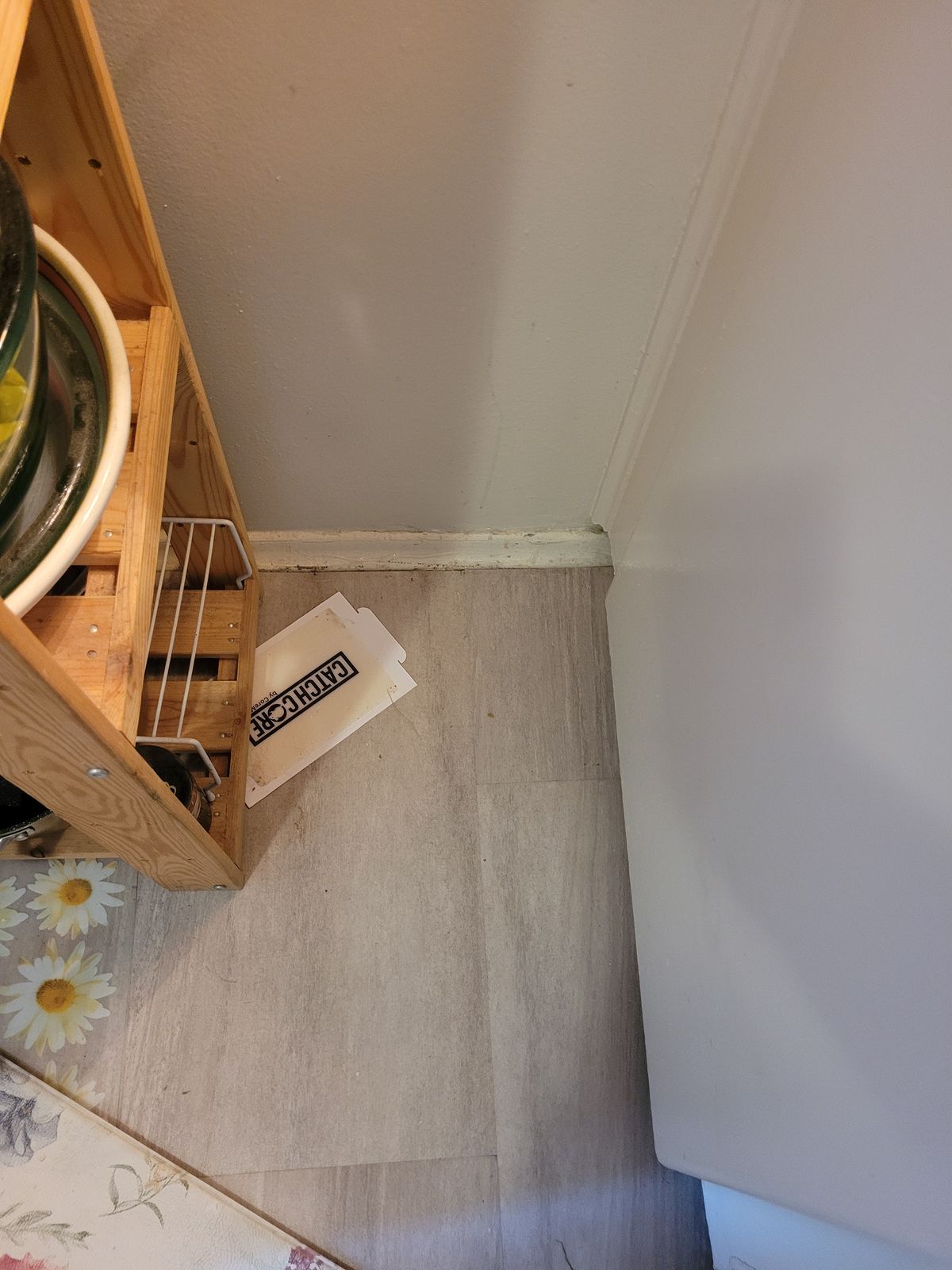
Cost Guide: What Caulking to Stop Cockroaches Costs in Toronto
Caulking to seal cockroach entry points ranges from $300–$1,200+ in Toronto, depending on whether you go DIY or hire a professional. Labour typically costs $50–$75 per hour; materials (caulk, applicators, primer) run $30–$80 total for a whole house.
| Approach | Material Cost | Labour Cost | Total Estimate | Best For |
|---|---|---|---|---|
| DIY (all rooms) | $30–$80 | $0 (your time) | $30–$80 | Small gaps, high patience |
| Professional (all rooms) | $40–$80 | $250–$1,100 | $300–$1,200 | Complete seal, warranty |
Room-by-Room Breakdown
- Kitchen: $100–$250 professional (around baseboards, sink pipes, appliance gaps)
- Bathroom: $80–$180 (vanity pipes, wall penetrations, exhaust fan)
- Basement/utility room: $120–$300 (foundation cracks, pipe entry points, sump pump area)
- Full perimeter sealing: $400–$800 (exterior and interior combined)
Professional caulking in Toronto includes inspection of hidden gaps you might miss—a major advantage in pest prevention. RenoHeal’s technicians use high-quality DAP caulk and sealants rated for long-term durability, with a warranty on workmanship.
DIY vs Hiring a Professional Caulker in Toronto
DIY caulking works for visible, accessible gaps in kitchens or bathrooms if you have steady hands and patience. The learning curve is real: applying even beads, removing excess, and letting it cure properly takes practice. You’ll succeed on baseboards, around sink trim, and obvious wall cracks.
Where DIY Fails (and Cockroaches Win)
Missed gaps are the biggest risk. Cockroaches exploit spaces you can’t see: behind appliances, inside wall voids where pipes enter, under concrete foundation edges, and inside cabinet toe-kicks. A single unsealed gap is an entry highway. Many homeowners caulk visible areas but miss 40–60% of actual entry points, leaving the job half-done.
You also need the right materials. Standard silicone caulk works, but DAP caulk and commercial-grade sealants last longer and resist pest pressure better. Applying primer first (on some surfaces) ensures adhesion and lifespan—most DIYers skip this step.
When Professional Caulking Is Worth It
Hire a pro if you’ve already seen cockroaches, rent your unit, or live in multi-unit buildings (Scarborough, North York, Toronto condos are particularly vulnerable). Professionals use inspection techniques to find hidden voids, access tight spaces behind cabinets, and apply sealant to areas you can’t reach safely. A professional caulker also guarantees no gaps and backs the work with a warranty.
For most Toronto homeowners, a hybrid approach works: get a free estimate to identify all entry points, then handle visible kitchen/bathroom sealing yourself and let pros tackle the hard-to-access utility and perimeter zones. This cuts cost while ensuring full coverage.
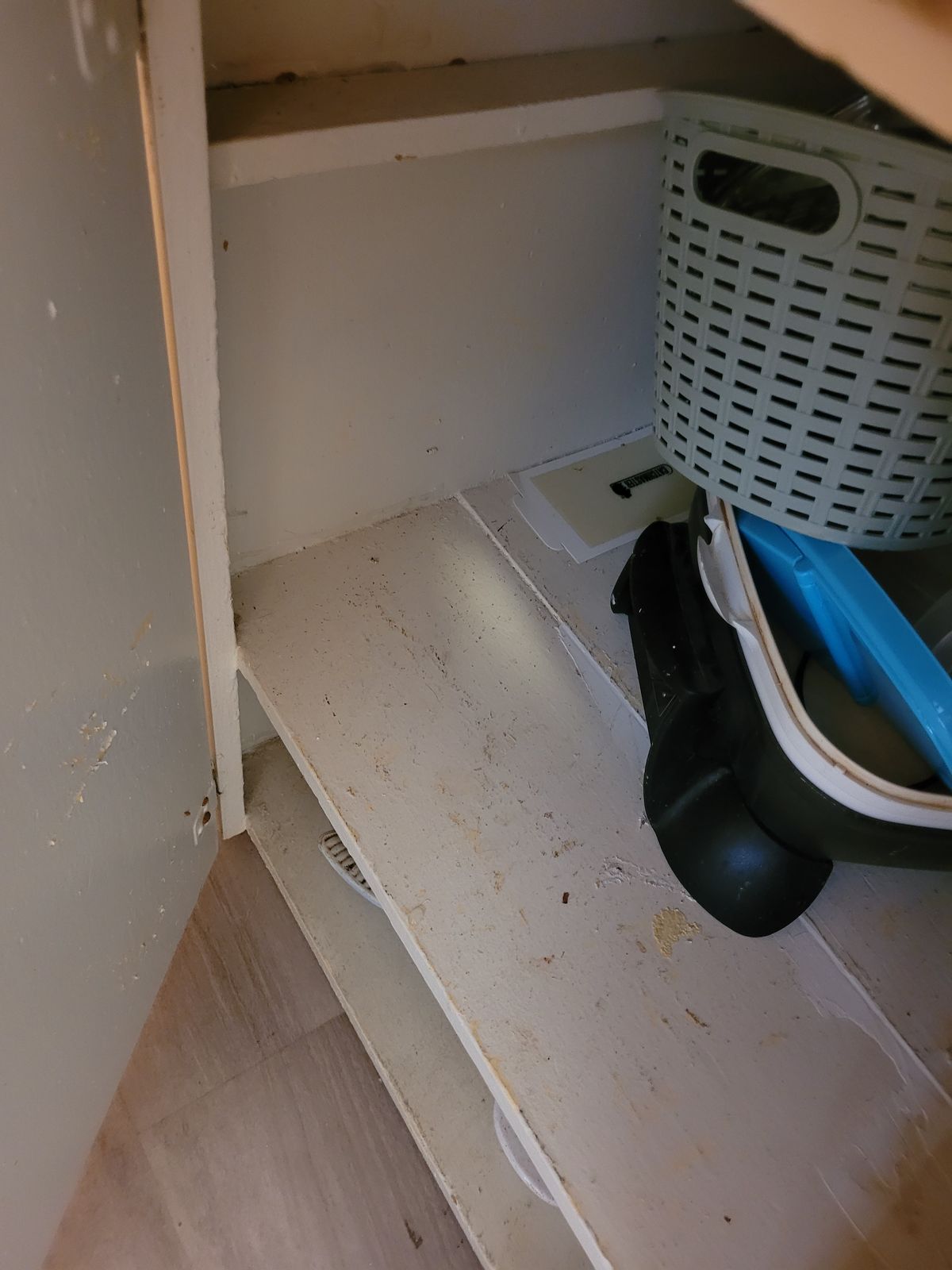
Common Mistakes That Leave Cockroach Entry Points Open
Most Toronto homeowners catch cockroaches only after they’re already inside—and that’s often because the initial sealing job was incomplete or done wrong. The mistakes are predictable, and they cost you.
Using the Wrong Caulk Type
Not all caulk is created equal. Silicone caulk looks fine but stays soft and can crack under temperature swings (common in Ontario winters). Acrylic latex caulk dries too fast and shrinks, leaving tiny gaps cockroaches slip through. Paintable, flexible caulks like DAP work best—they expand and contract with your home and stay sealed through freeze-thaw cycles.
Skipping Behind Appliances
Cockroaches hide behind fridges, stoves, and dishwashers. If you don’t pull those out and caulk where pipes and utility lines enter, you’re leaving a highway open. This is where most infestations start in kitchens across Scarborough and North York.
Skipping Surface Prep
Caulk won’t stick to dirty, wet, or oily surfaces. Dust, grease residue, and old caulk must be removed completely. A quick wipe isn’t enough—that’s how gaps reopen in 6 months.
Partial Sealing
Sealing one area while leaving another open defeats the purpose. Cockroaches only need one entry point. A complete audit of every crack, pipe penetration, and threshold is non-negotiable. If you’re unsure which spots matter most, get a free estimate—we identify gaps you’d miss.
Frequently Asked Questions
Does caulking actually stop cockroaches from getting in?
Yes — caulking is one of the most effective physical barriers you can use against cockroaches. Roaches need a gap of only about 1.5mm to squeeze through, and caulk eliminates those micro-gaps around pipes, baseboards, and wall penetrations that let them travel freely. It won’t replace sanitation or pest control entirely, but sealing entry points removes the access routes roaches depend on.
What type of caulk is best for blocking cockroaches around pipes and baseboards?
100% silicone caulk is the top choice for plumbing penetrations and areas exposed to moisture, because it stays flexible, doesn’t shrink, and holds its seal for years. For baseboards and dryer interior trim, a paintable siliconized latex (also called “siliconized acrylic”) works well and is easier to finish neatly. Avoid basic acrylic latex caulk on its own — it shrinks over time and opens the gaps back up.
How much does it cost to have a professional caulk a home in Toronto to keep cockroaches out?
A professional pest-exclusion caulking job in Toronto typically runs $200–$600 CAD depending on the size of the unit and how many penetrations need sealing. Larger homes or condos with extensive pipe runs and multiple bathrooms can push toward the higher end. That cost is usually a fraction of repeated exterminator visits, making it a smart one-time investment.
Can cockroaches chew through caulk or silicone?
Cockroaches cannot chew through fully cured silicone or quality siliconized caulk — their mouthparts aren’t built for it. However, they can exploit caulk that has cracked, shrunk, or peeled away from the surface, which is why choosing the right product and applying it correctly matters. Inspect sealed areas every 12–18 months and re-caulk anywhere you see separation or crumbling.
How long does caulking last before it needs to be redone to keep pests out?
High-quality silicone caulk applied to a clean, dry surface can last 10–20 years in low-movement areas, but in spots with temperature swings, moisture, or vibration — like around pipes in a Toronto basement — plan to inspect every 1–2 years. Siliconized latex in lower-stress areas like baseboards typically holds 5–7 years before it starts to shrink or lift. Annual visual checks take five minutes and catch failures before roaches do.
Should I caulk before or after calling an exterminator?
Coordinate with your exterminator first — many pest control professionals want to apply treatments inside wall voids and along baseboards before those gaps are sealed shut. Once the treatment cycle is complete (usually 2–4 weeks for cockroaches), caulking immediately afterward locks out any survivors and prevents re-infestation. Sealing before treatment can actually trap roaches inside walls and block the pesticide from reaching them.
Caulking to Prevent Cockroaches in Toronto: Your Last Line of Defence
Cockroaches don’t need an open door — they need a gap the width of a credit card edge. In Toronto’s older housing stock, those gaps are everywhere: around copper supply lines under the sink, where baseboard meets subfloor, behind the dishwasher, along the base of tub surrounds. A thorough caulking job closes those routes permanently and makes every other pest control measure you take work harder and last longer.
Use 100% silicone at plumbing penetrations and wet areas, siliconized latex along baseboards and trim, and backer rod for anything wider than 6mm before you caulk. Coordinate with your exterminator on timing, inspect sealed areas every year or two, and re-caulk any spot that shows cracking or separation. Done right, this is a one-time job that pays off for years.
If you’d rather have it done properly the first time — every pipe, every gap, every penetration — RenoHeal’s technicians handle pest-exclusion caulking across Toronto and the GTA. Request a free quote today, or learn more about our full caulking services in Toronto.