
Table of Contents
- Why Bathroom Fans Get Dirty Faster Than You Think
- How Often Should You Schedule Bathroom Fan Cleaning in Toronto?
- What Happens If You Never Clean Your Bathroom Fan
- Step-by-Step: How Bathroom Fan Cleaning Is Done
- Bathroom Fan Cleaning Toronto: What It Costs in 2025
- DIY vs. Hiring a Professional for Bathroom Fan Cleaning
- Signs Your Bathroom Fan Needs More Than Just Cleaning
- Common Mistakes Homeowners Make With Bathroom Fans
- Bathroom Fan Maintenance Tips to Keep It Running Year-Round
- Frequently Asked Questions
- Bathroom Fan Cleaning in Toronto: A Small Job That Protects Your Whole Home
Bathroom fan cleaning in Toronto is something homeowners often overlook until the fan starts sounding like a helicopter or the bathroom smells musty for days after a shower. The truth is, most exhaust fans are running far below their rated capacity long before you notice any obvious signs — and by then, the buildup has usually been accumulating for months.
A bathroom exhaust fan has one job: pull warm, humid air out of the room and exhaust it outside so moisture doesn’t settle on walls, ceilings, and grout. Every time it runs, it also pulls in airborne particles — dust, skin cells, hair fibres, and mould spores. Those particles don’t make it outside. They stick to the plastic grille, coat the fan blades, and pack into the motor housing. Over time, that layer of grime chokes airflow and forces the motor to work harder just to move the same amount of air.
If you’ve been putting off a cleaning or want to know what a professional inspection actually involves, RenoHeal’s bathroom services cover exactly this kind of work — and we offer free estimates so there’s no guesswork on cost.
Why Bathroom Fans Get Dirty Faster Than You Think
Toronto and GTA homes face a specific challenge that homeowners in milder climates don’t deal with as intensely: long, cold winters where windows stay shut for months. From November through March, indoor air recirculates constantly. There’s no fresh outdoor air diluting the humidity from showers, cooking, or even just breathing. That trapped moisture gives airborne lint and dust particles something to cling to — and once they stick to a fan grille or blade, they attract more.
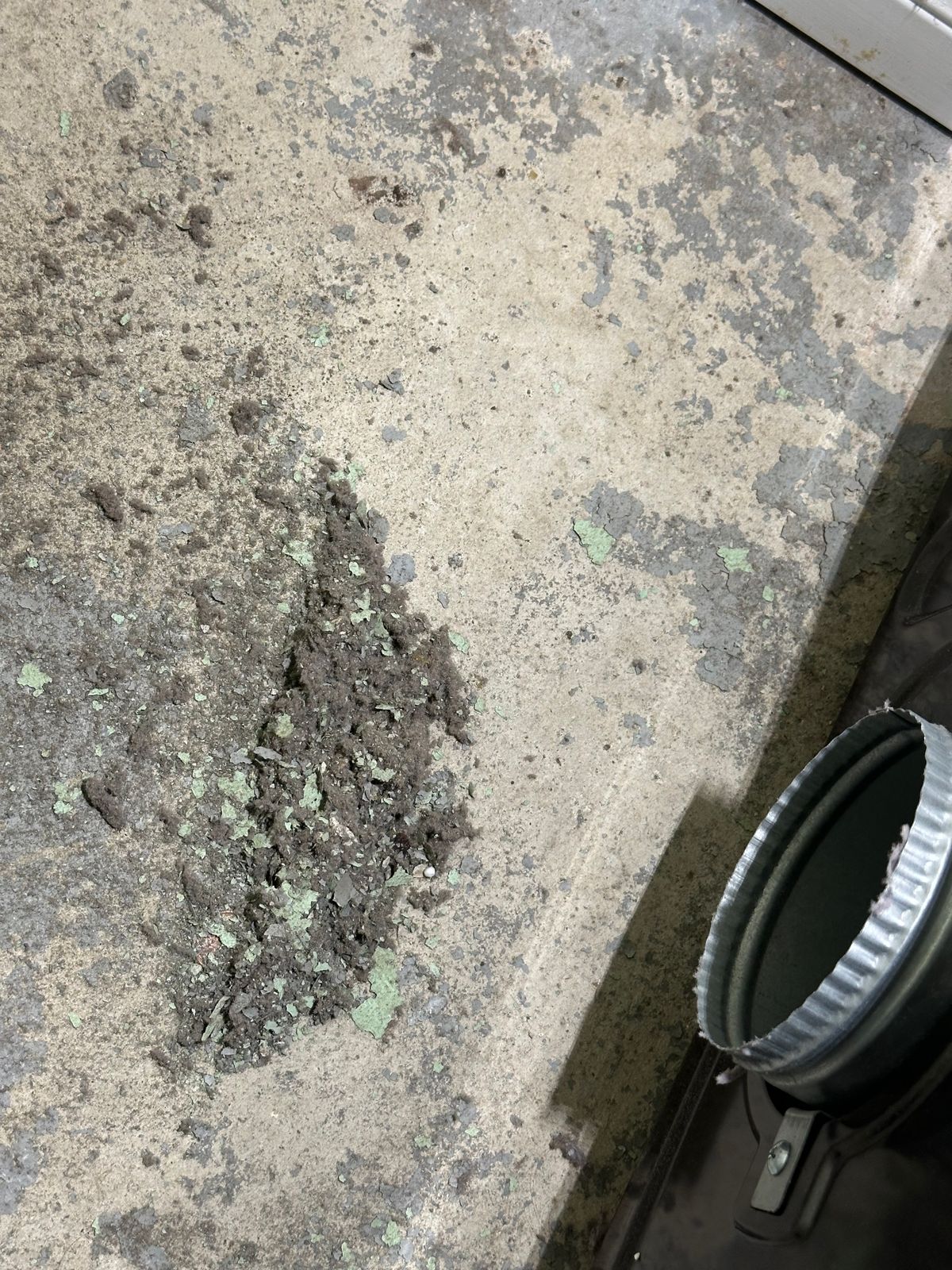
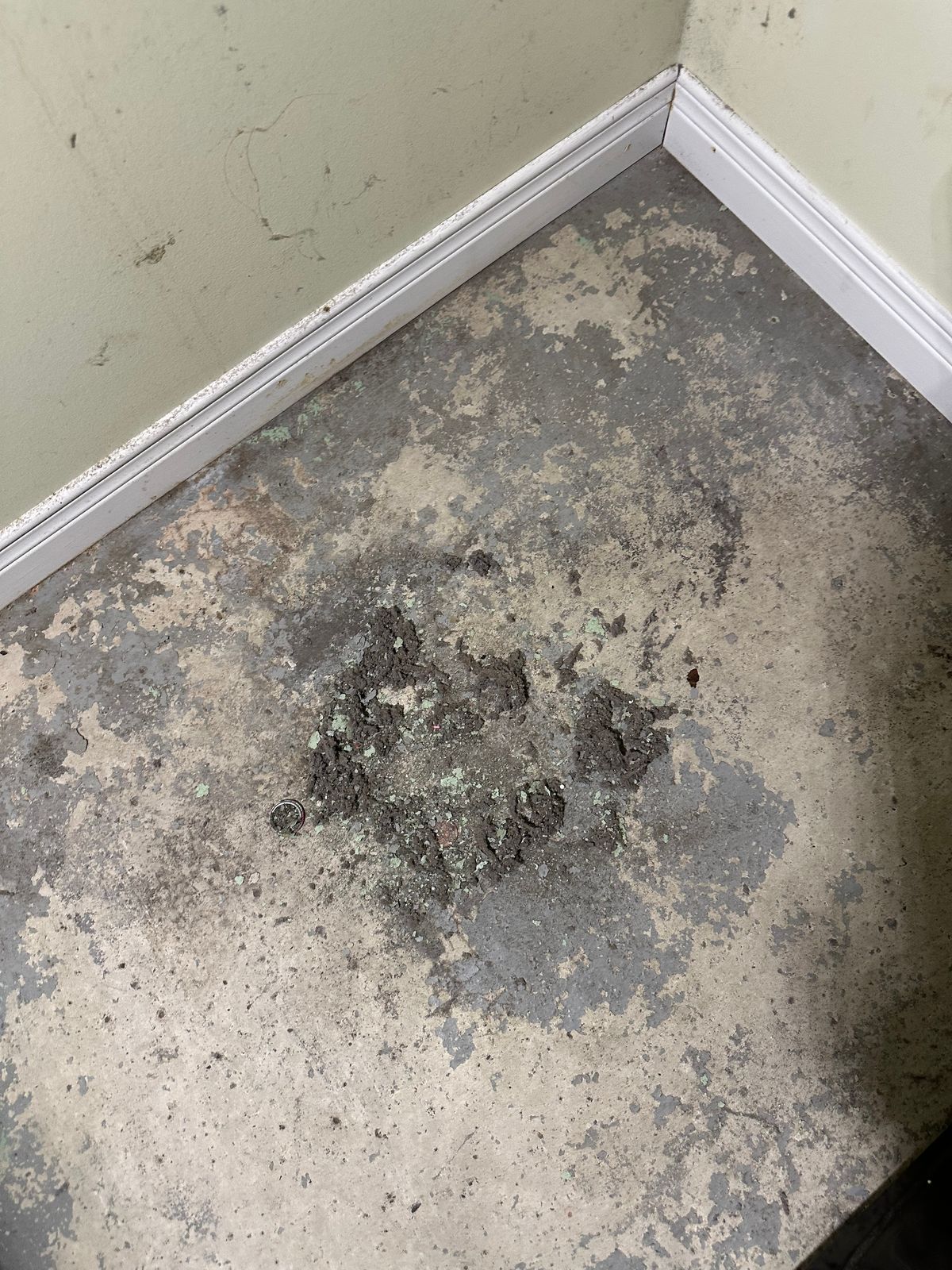
In a recent RenoHeal handyman project in North York, a technician arrived to clean both a bathroom exhaust fan and a dryer vent. What he found was significant: both were heavily clogged with compacted lint and dust buildup. The bathroom fan grille was nearly fully blocked, and the fan blades had a thick grey coating that was visibly restricting blade movement. This kind of buildup doesn’t happen overnight — it’s the result of a year or more of uninterrupted accumulation in a home that stayed sealed through multiple Ontario winters.
The physics here matter. A dirty fan blade creates drag. The motor compensates by drawing more current, which generates heat. That heat accelerates motor wear, shortens the fan’s lifespan, and in worst-case scenarios, becomes a fire risk — especially when lint is involved. Lint is exactly what the North York technician found packed into the housing, the same material that makes dryer vent fires one of the most common home hazards in Canada.
Mould spores are the other factor that speeds up the cycle. Bathrooms in Scarborough, Etobicoke, and older North York homes with less-than-ideal ventilation already carry elevated mould spore counts in the air. Those spores settle on the fan components, find moisture, and begin colonizing the grille and housing. A dirty fan doesn’t just fail to remove humidity — it becomes a source of the problem, redistributing spores every time it runs. If you’re already dealing with mould growth on bathroom surfaces, professional mould removal may be needed alongside a fan cleaning.
How Often Should You Clean Your Bathroom Fan?
For most Toronto homes, a thorough bathroom fan cleaning once a year is the minimum. If your bathroom gets heavy use — a family of four or more, a busy ensuite, or a basement bathroom with already-limited airflow — bump that up to every six months.
The reason frequency matters so much in the GTA is climate. Toronto winters mean months of closed windows, which means your bathroom fan is doing nearly all the work moving humid air out of your home. A dusty, clogged fan in January isn’t just inefficient — it’s actively working against you.
Signs Your Fan Needs Cleaning Sooner
- Visible dust on the grille — if you can see it from the floor, it’s well overdue
- Fan sounds louder or rattles — dust buildup on the motor and blades causes vibration
- Mirror stays foggy longer after a shower — the fan isn’t moving air effectively
- Musty or stale smell — trapped moisture and dust create the perfect conditions for mold growth
- Bathroom feels humid even with the fan running — a sure sign airflow is compromised
What RenoHeal Found on the North York Job
On a recent handyman call in North York, the homeowner’s bathroom fan hadn’t been cleaned in over three years. The grille was matted with dust, the blades were visibly caked, and the motor was working harder than it should have been. This is more common than most people realize — many GTA homeowners in areas like Scarborough, Etobicoke, and Thornhill admit they’ve never cleaned their bathroom fan at all.
Use this quick checklist to decide if it’s time:
- When did you last clean it? If you can’t remember, it’s time.
- Can you hear or see any of the warning signs above?
- Has it been longer than 12 months? Book a cleaning.
- Heavy bathroom use with 4+ people? Clean every 6 months.
Staying on schedule prevents bigger problems — and it’s a straightforward task that takes under an hour when done properly.
What Happens If You Never Clean Your Bathroom Fan
Most homeowners in Toronto don’t think about their bathroom fan until it stops working entirely. By that point, the damage is usually already done. Here’s what actually happens when cleaning gets skipped — in order of how bad things get.
1. Airflow Drops and Humidity Lingers
A dust-clogged grille can reduce a fan’s airflow by 30–50% even when the motor is still running. That means after a shower, moisture sits in the air longer, soaks into drywall, and keeps your bathroom feeling damp for hours. In poorly ventilated bathrooms — common in older Toronto and North York homes — this happens faster than you’d expect.
2. Mould Starts Growing
Persistent humidity is exactly what mould needs. You’ll typically see it first on grout lines in tile showers, then on ceiling corners, then on painted drywall. Mould removal in a bathroom can cost $300–$1,500+ depending on how far it spreads — far more than a routine fan cleaning ever would.
3. Fire Risk Increases — Especially If Your Dryer Vent Is Also Neglected
Dust and lint accumulate directly on the fan motor and housing. When the motor runs hot, that buildup can ignite. This risk is compounded when the dryer vent is also clogged — exactly the situation in our completed North York project, where both the bathroom fan and dryer vent were cleaned together for this reason. Lint is highly flammable, and both systems share the same neglect pattern in most homes.
4. The Motor Burns Out Early
A bathroom fan running against resistance from packed dust overheats repeatedly. Most fans are rated for 10–15 years. Skipping cleaning can cut that to 5–7 years, meaning you’re buying a replacement unit — typically $80–$250 CAD installed — well before you should have to.
5. Your Hydro Bill Creeps Up
A struggling fan motor draws more electricity to move the same amount of air. It also runs longer because the bathroom doesn’t clear out as quickly. Over months and years, that adds up on your Toronto Hydro bill — small per cycle, but consistent.
Step-by-Step: How Bathroom Fan Cleaning Is Done
This is exactly the process RenoHeal’s technician followed on a recent job in North York, where both the bathroom fan and dryer vent were cleaned in a single visit. The steps are straightforward, but skipping any one of them — especially checking the duct connection — is where DIY attempts often fall short.
The Professional Cleaning Process
- Turn off power at the breaker. Never rely on just the wall switch. The fan motor stays live in some setups, and working inside the housing without cutting power is a genuine shock risk.
- Remove the grille cover. Most grilles in Toronto homes are spring-clipped — squeeze the two wire clips inward and the cover drops down. Some older Scarborough and Etobicoke homes have screw-mounted covers, which take an extra minute.
- Wash the grille in warm soapy water. Dust and soap scum bond to plastic grilles surprisingly hard. Let it soak for a few minutes, scrub with a soft brush, then dry it completely before reinstalling — moisture near the motor housing causes problems.
- Vacuum fan blades and motor housing. A soft brush attachment on a standard shop vac or household vacuum removes the bulk of accumulated lint and dust without dislodging wiring. This is where most of the airflow restriction lives.
- Wipe the interior housing with a dry microfibre cloth. After vacuuming, fine dust clings to the housing walls. A dry cloth (not wet — moisture and motor housings don’t mix) picks up what the vacuum missed.
- Check the duct connection is secure and the exhaust path is clear. A loose duct joint means humid air vents directly into your ceiling cavity. The technician inspects this on every job — it’s one of the most common issues found in North York and Vaughan homes during routine cleaning visits.
- Reassemble and test airflow. Power back on, fan running — hold a single sheet of tissue paper near the grille. It should pull firmly toward the cover. If it flutters weakly, there’s still an obstruction or the motor is due for replacement.
Why Dryer Vent Cleaning Is Often Done at the Same Time
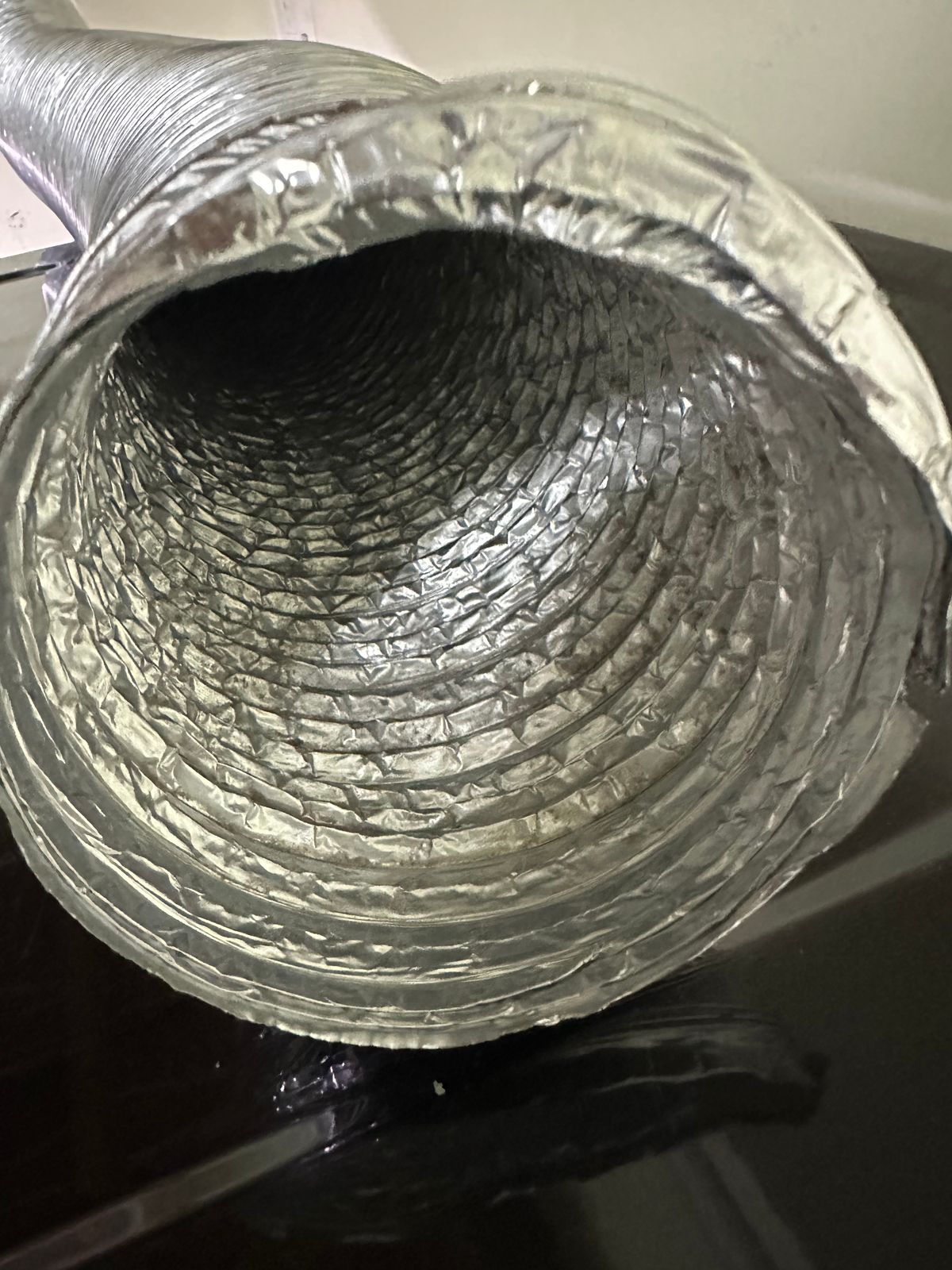
On the North York project this article is based on, the technician cleaned both the bathroom fan and the dryer vent in one visit — and that’s a common pairing for good reason. Both systems move humid or lint-laden air through ducting, both ducts run through similar interior wall and ceiling spaces, and both are maintenance items most homeowners defer far too long.
Bundling the two saves you a separate service call, and the technician is already working in the same access area. If you’re booking handyman services for bathroom fan cleaning, it’s worth asking about dryer vent cleaning at the same time — it’s one of those combinations that just makes practical sense.
Bathroom Fan Cleaning Toronto: What It Costs in 2025
Pricing for bathroom fan cleaning in Toronto depends on how many fans you have, whether you’re bundling services, and the condition of the unit. Here’s a realistic breakdown based on current 2025 rates across the GTA.
| Service | Estimated Cost (CAD) | Notes |
|---|---|---|
| Single bathroom fan cleaning | $75 – $120 | Covers grille removal, vacuuming motor housing, blade cleaning, reassembly |
| Bundle: bathroom fan + dryer vent cleaning | $160 – $240 | Same visit, shared labour — typical saving of $40–$60 vs. booking separately |
| 2–3 bathroom fans (multi-unit or larger home) | $140 – $220 | Per-fan cost drops when a technician is already on-site |
| Fan cleaning + motor inspection | $120 – $160 | Recommended if fan is noisy, slow, or hasn’t been serviced in 3+ years |
| Fan cleaning + full replacement (if motor failing) | $220 – $400+ | Varies by fan model, ceiling access, and duct reconnection required |
The North York job RenoHeal completed — bathroom fan and dryer vent cleaning in a single visit — is exactly the kind of bundle that keeps your total bill lower. A technician is already in your home, tools are out, and the extra time to clean both units is minimal. Homeowners in North York, Scarborough, and Etobicoke regularly book this combination heading into fall, before furnaces kick on and indoor air gets trapped.
DIY costs almost nothing in materials — a screwdriver, a vacuum, and a can of compressed air. But working near live electrical components without proper training carries real risk, and a rushed cleaning that misses the motor housing doesn’t actually solve the problem.
RenoHeal offers free estimates on all handyman services, so you know exactly what you’re paying before anyone picks up a tool. Get a quote online in minutes.
DIY vs. Hiring a Professional for Bathroom Fan Cleaning
Cleaning the grille cover yourself is completely reasonable. Pop it off, wash it with warm soapy water, let it dry, and snap it back on. If you’re comfortable switching off the breaker and wiping dust off the fan blades with a dry cloth, that’s a legitimate first step worth doing every few months.
Where DIY starts to get tricky is everything beyond the grille. The duct run, the motor housing, and the wiring connections inside the unit are a different story — and that’s where most homeowners in Toronto and North York stop short for good reason.
What You Can Realistically Do Yourself
- Remove and wash the grille cover
- Vacuum visible dust from the fan blades (with power off at the breaker)
- Wipe the exterior housing with a dry or lightly damp cloth
- Check that the grille snaps back flush and the fan spins freely
Where a Professional Makes More Sense
- Cleaning inside the motor housing without disturbing wiring connections
- Inspecting and clearing the full duct run to the exterior wall or roof cap
- Identifying early signs of motor wear, bearing noise, or burnt smells
- Spotting a disconnected or crushed duct — a surprisingly common issue in older Scarborough and Etobicoke homes
- Bundling bathroom fan cleaning with dryer vent cleaning in one visit
That last point matters more than most people realize. On a recent project in North York, our technicians handled both the bathroom fan and the dryer vent in a single visit. Both needed proper inspection — not just a surface wipe — and doing them together saved the homeowner time and the hassle of coordinating two separate appointments.
Quick Comparison
| Task | DIY | Professional |
|---|---|---|
| Grille cleaning | Easy, recommended | Included in full service |
| Fan blade dusting | Doable with care | Done with proper vacuum equipment |
| Duct run inspection & clearing | Not practical | Standard part of the service |
| Motor condition check | Hard to assess safely | Experienced technicians spot problems early |
| Combined dryer + fan cleaning | Very difficult alone | Efficient single-visit service |
| Insurance & liability | Homeowner’s risk | $5M insured, WSIB covered |
If your fan hasn’t been touched in over a year, or you also need your dryer vent cleared, booking a professional is the more practical call. You get a proper inspection, not just a dust removal, and any problems found get flagged before they turn into expensive repairs. Get a free estimate and we can schedule both in one visit.
Signs Your Bathroom Fan Needs More Than Just Cleaning
Cleaning does a lot, but it can’t fix a fan that’s failing mechanically or venting to the wrong place. Before you invest time in a thorough clean, it’s worth knowing the signs that point to a bigger problem.
Noise That Shouldn’t Be There
A grinding or rattling sound during operation usually means the motor bearings are worn or debris has gotten into the blades. A fan that hums but won’t spin is a dead motor — the capacitor or winding has failed. In both cases, cleaning the grille won’t change anything. The unit needs to be replaced.
Physical Damage to the Housing
Visible rust on the metal housing, cracked plastic grilles, or a warped cover are all signs the fan has reached the end of its service life. These issues are especially common in older homes across North York and Scarborough, where bathroom fans may be original to the build from the 1970s or 80s. Rust can also indicate chronic moisture exposure, which points to a ventilation problem beyond the fan itself.
The Fan Is Too Small for the Room
Ontario Building Code sets a minimum of 50 CFM for bathrooms under 100 square feet. A common guideline is 1 CFM per square foot. If your fan was sized for a smaller bathroom, or was a low-cost builder-grade unit to begin with, no amount of cleaning will make it move enough air. You’ll still get moisture buildup, mold risk, and peeling paint.
Duct Is Disconnected or Venting Into the Attic
This is one of the most common issues found in older Toronto homes — the duct has come loose in the attic or was never properly run to the exterior. Instead of exhausting humid air outside, the fan pushes it directly into the attic space, where it condenses on the sheathing and causes mold and rot. If this is the situation, cleaning the fan is pointless until the duct is corrected and properly insulated. Our handyman technicians flag these duct problems during cleaning visits — it’s something you want to catch before it turns into a major mold removal job.
Common Mistakes Homeowners Make With Bathroom Fans
Most bathroom fan problems don’t come from neglect alone — they come from doing the wrong things during maintenance. These are the mistakes we see repeatedly on jobs across Toronto, North York, and Scarborough.
1. Spraying Cleaner Directly Into the Fan Housing
Squirting water or an all-purpose spray into the housing is one of the fastest ways to short out the motor. Any moisture that reaches the electrical components can cause a failure — or worse, a fire hazard. Wipe everything down with a lightly dampened cloth only, after the power is completely off.
2. Cleaning Just the Grille and Calling It Done
The grille is the least important part. The real buildup — the stuff that strains the motor and traps humidity — is on the fan blade and inside the housing. If you haven’t pulled the grille off and cleaned what’s behind it, the job isn’t finished.
3. Flipping the Wall Switch Instead of Cutting the Breaker
The wall switch only interrupts the circuit — it doesn’t make the unit safe to touch. Always shut off the breaker for the bathroom before reaching into the housing. This is non-negotiable.
4. Forgetting to Check the Duct
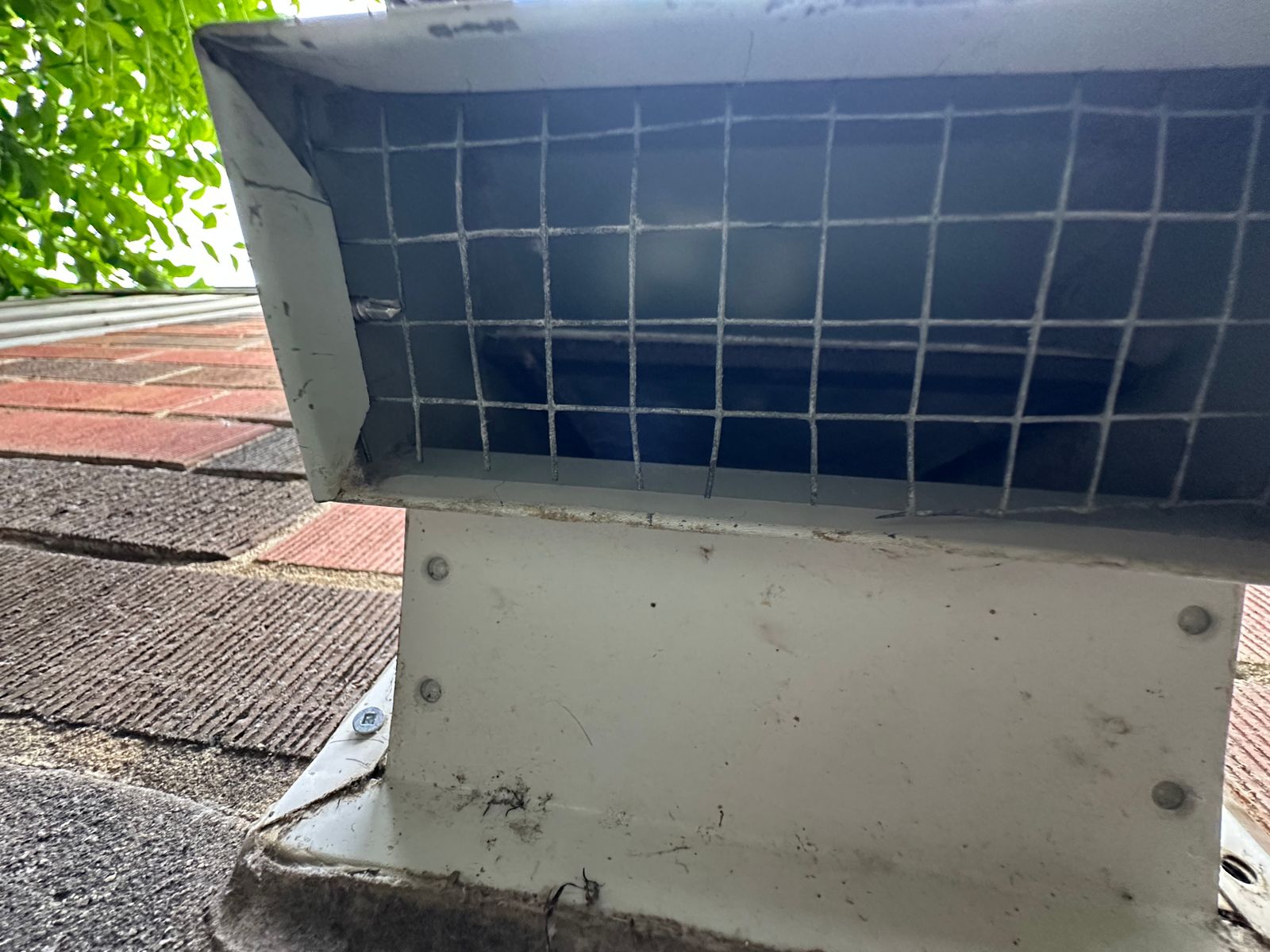
A clean fan attached to a kinked, blocked, or disconnected duct still exhausts nothing. Humid air just recirculates back into the ceiling cavity. Always confirm airflow at the exterior vent when you’re done.
5. Waiting Until the Fan Stops Working
By the time a fan dies from dust overload, mould removal may already be part of the conversation. Slow fan, loud fan, or weak airflow are your warning signs — don’t wait for a full failure.
6. Blowing Dust Out Without Vacuuming First
Using compressed air or a leaf blower without a vacuum running nearby just launches years of accumulated dust directly into your bathroom air — and into your lungs. Always vacuum the loose debris out first, then wipe down the remaining surfaces.
Bathroom Fan Maintenance Tips to Keep It Running Year-Round
Most bathroom fan problems are preventable with a few simple habits. The tips below cost nothing to start and can add years to your fan’s life.
Run It Longer Than You Think You Need To
Turn your fan on when you step into the shower — not after. Run it for 15 to 20 minutes after you finish to pull residual moisture out of the air. If you constantly forget, a bathroom timer switch is a practical upgrade that costs $25–$60 and pays for itself by reducing mould risk.
Do a Visual Check Every 3 Months
Take 10 seconds to look at your fan grille. If you can write your name in the dust sitting on it, you’ve already waited too long. A light layer of grey fuzz is normal — a thick, matted coat of dust is a warning sign that airflow has dropped and the motor is working harder than it should.
Leave the Bathroom Door Slightly Open
A tightly sealed bathroom creates negative pressure that chokes the fan’s ability to exhaust air. Cracking the door an inch gives the fan fresh replacement air to work with and noticeably improves its effectiveness — especially in smaller bathrooms common in Toronto condos and older North York homes.
Time Your Annual Cleaning for Spring
After a Toronto winter of closed windows, cranked heat, and daily steamy showers, spring is the ideal moment for a thorough fan cleaning. Dust and lint accumulate faster through the cold months when indoor humidity fluctuates constantly. Booking in April or May means you head into summer — and air conditioning season — with a fan that’s actually moving the volume of air it’s rated for.
Bundle Fan and Dryer Vent Cleaning in One Visit
Your bathroom exhaust fan and your dryer vent are two of the most neglected — and most fire-relevant — maintenance items in any Toronto home. Lint and dust buildup in either one creates a real hazard. Having both cleaned in a single visit makes practical and financial sense: one service call, two problems solved.
RenoHeal handles exactly this combination. A recent project in North York covered both bathroom fan and dryer vent cleaning in a single visit — the kind of bundled handyman service that saves homeowners in Scarborough, Etobicoke, and across the GTA from booking two separate appointments. If you’re due for both, get a free quote and take care of them together.
Frequently Asked Questions
How often should I clean my bathroom fan in Toronto?
Most Toronto homes need bathroom fan cleaning at least once a year. If you have a large household, pets, or an older home with poor ventilation, twice a year is smarter. Toronto’s humid summers and sealed-up winters mean your fan runs harder and collects dust and lint faster than you might expect.
Can a dirty bathroom fan cause a fire?
Yes, it can. Dust and lint that build up on the motor and grille are flammable, and an overheating motor can ignite them. This risk is real enough that fire marshals regularly cite clogged bathroom fans as a household fire hazard. Keeping the fan clean is one of the cheapest fire-prevention steps you can take.
How do I know if my bathroom fan is working properly?
Hold a single sheet of toilet paper up to the grille while the fan is running. If the fan is working well, it should hold the paper against the grille with noticeable suction. If the paper barely moves, or if your mirror stays fogged up long after a shower, the fan isn’t moving enough air and likely needs cleaning or replacement.
Is bathroom fan cleaning something I can do myself?
Basic grille and blade cleaning is a manageable DIY task — remove the grille, vacuum the blades and housing, wipe everything down, and reinstall. That said, cleaning inside the duct run, checking the damper, and inspecting the motor for wear are better handled by a professional. A trained technician will also spot early signs of damage that most homeowners miss.
How long does it take a professional to clean a bathroom fan?
A straightforward bathroom fan cleaning typically takes 30 to 60 minutes per unit. If the duct run needs attention or the fan hasn’t been serviced in several years, budget up to 90 minutes. Same-day service is usually available in Toronto and the GTA, so you’re rarely waiting long to get it done.
Can I clean my bathroom fan without turning off the power?
You should always turn off the power at the breaker before cleaning anything beyond the outer grille. Wiping dust off the outside while the fan is off at the switch might seem safe, but the switch doesn’t cut power to the wiring inside the housing. Turning off the breaker takes 30 seconds and removes the risk of electric shock entirely.
Why does my bathroom fan sound louder than it used to?
Increased noise is almost always a sign of heavy dust buildup on the fan blades, causing the motor to work harder and vibrate more. It can also point to worn bearings or a loose mounting bracket. Either way, cleaning should be your first step — if the noise persists afterward, the fan may need a motor replacement or a full unit swap.
Does bathroom fan cleaning include cleaning the duct?
It depends on the service you book. Grille and fan-head cleaning is standard, but duct cleaning is often quoted separately because it requires different tools and access. When booking, ask specifically whether the duct run and damper are included. At RenoHeal, we assess the full ventilation path during the visit and advise you on what actually needs attention.
Should I clean my bathroom fan and dryer vent at the same time?
Combining both in one visit is a practical move. Dryer vents and bathroom fans share the same core risk profile — lint and dust buildup restricting airflow and creating fire hazards. Booking both at once saves you a service call fee and ensures your two biggest household ventilation risks are handled together.
How much does bathroom fan cleaning cost in Toronto?
Bathroom fan cleaning in Toronto typically runs between $80 and $150 per unit, depending on fan size, accessibility, and whether duct cleaning is included. Older fans that haven’t been serviced in years may take longer and cost slightly more. RenoHeal offers free estimates so you know the exact price before any work begins — no surprises on the invoice.
Bathroom Fan Cleaning in Toronto: A Small Job That Protects Your Whole Home
A clean bathroom fan does three things that matter: it controls moisture, reduces mold risk, and eliminates a genuine fire hazard. Most Toronto homeowners simply forget about it until something goes wrong — a foggy mirror that won’t clear, a rattling noise, or a musty smell that won’t go away. Annual cleaning prevents all of that.
The job itself is fast and affordable. Whether you want to handle the basic cleaning yourself or have a professional take care of the full ventilation path — grille, blades, motor housing, and duct — the important thing is that it gets done on a regular schedule. Skipping it for two or three years is where the real problems start.
RenoHeal serves Toronto and the GTA with same-day availability, $5M liability insurance, and WSIB coverage on every job. If your bathroom fan is overdue for a cleaning — or you’re not sure when it was last serviced — request a free quote today, or explore our full range of bathroom services to see how we can help with your next project.
Frequently Asked Questions
How often should I clean my bathroom fan in Toronto?
Most Toronto homes benefit from cleaning their bathroom fan every 6 to 12 months. If you have a large household, pets, or an older home with dusty ductwork, lean toward every 6 months. Homes near construction zones or heavily trafficked areas may also need more frequent attention.
Can a dirty bathroom fan cause a fire?
Yes — it’s a real risk that most homeowners underestimate. Dust and lint are flammable, and when they accumulate on the motor housing or around the fan blades, the heat generated during operation can ignite them. The Ontario Fire Marshal has cited clogged exhaust fans as a contributing factor in residential fires.
How do I know if my bathroom fan is working properly?
Hold a single sheet of toilet paper near the fan grille while it’s running — it should be pulled firmly toward the vent and stay there. If it falls away or barely flutters, your fan isn’t moving enough air. Slow response, loud rattling, or lingering moisture and odors after a shower are also clear signs something’s wrong.
Is bathroom fan cleaning something I can do myself?
Basic grille cleaning is a straightforward DIY task — remove the cover, wash it with warm soapy water, and vacuum visible dust from the fan housing. However, safely cleaning the motor, blades, and interior ductwork connection requires turning off the breaker, some disassembly, and knowing what you’re looking at. If you’re not comfortable working near electrical components or inside the housing, a professional is the smarter call.
How long does it take a professional to clean a bathroom fan?
A thorough professional bathroom fan cleaning typically takes 30 to 60 minutes per unit. That includes grille removal, motor and blade cleaning, duct connection inspection, and reassembly. If there’s significant buildup or the duct needs attention, add another 15 to 30 minutes.
Can I clean my bathroom fan without turning off the power?
You can safely remove and wash the outer grille cover without cutting power, since it doesn’t involve contact with wiring or moving parts. But the moment you’re cleaning inside the housing near the motor or fan blades, the power must be off at the breaker — not just the wall switch. A wall switch doesn’t fully de-energize the unit, and contact with live components is a serious shock hazard.
Why does my bathroom fan sound louder than it used to?
Increased noise usually means one of three things: dust buildup is throwing the fan blades off balance, the motor bearings are wearing out, or the mounting hardware has loosened over time. In many cases, a thorough cleaning resolves the noise immediately. If cleaning doesn’t help, the motor or the unit itself may need replacement.
Does bathroom fan cleaning include cleaning the duct?
It depends on who you hire and what’s included in the service. A basic cleaning typically covers the grille, blades, and motor housing. A more thorough service will also inspect and clear the duct run from the fan to the exterior vent cap — which is where significant lint and debris often accumulate. Always confirm what’s included before booking.
Should I clean my bathroom fan and dryer vent at the same time?
Absolutely — it makes practical and financial sense. Both exhaust moisture and lint through ductwork, both are fire risks when clogged, and both are often neglected on the same schedule. Bundling the work with one visit saves you time and usually costs less than two separate service calls.
How much does bathroom fan cleaning cost in Toronto?
Professional bathroom fan cleaning in Toronto typically runs between $75 and $150 per fan, depending on accessibility, the extent of buildup, and whether duct cleaning is included. Some companies offer package pricing when you’re cleaning multiple fans or combining services. Getting a free quote upfront ensures there are no surprises.
Bathroom Fan Cleaning in Toronto: A Small Job That Protects Your Whole Home
A clean bathroom fan does more than reduce noise — it controls moisture, prevents mold, cuts fire risk, and keeps your ventilation system working the way it should through every humid Toronto summer and damp winter. Skipping it for a year or two is how minor dust buildup turns into a failed motor, a mold problem behind the wall, or worse.
The good news is this is one of the quickest, most affordable maintenance tasks you can tick off your list. Whether you have one fan or four, staying on a 6-to-12-month schedule keeps everything running efficiently and gives you peace of mind that your home’s air quality is where it should be.
RenoHeal’s technicians handle bathroom fan cleaning across Toronto and the GTA — fully insured, WSIB covered, and backed by a 4.9-star rating across 3,500+ completed projects. Request a free quote today, or learn more about our full range of bathroom services and let us handle the details while you get on with your day.