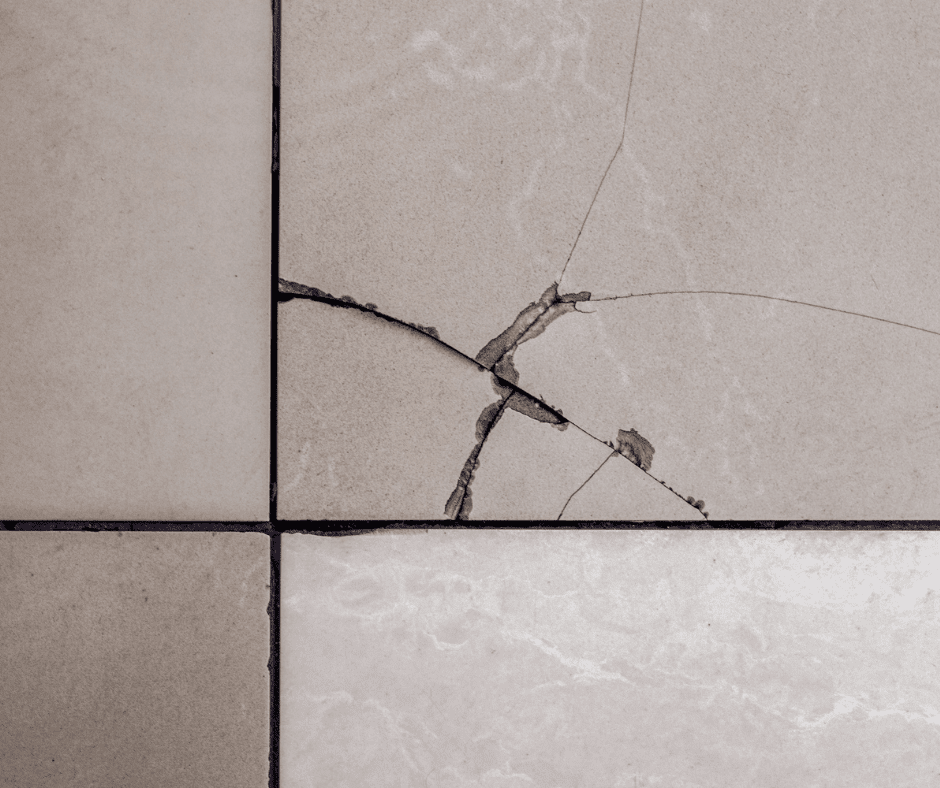
You’re walking across your bathroom or kitchen floor when you notice something small but worrying: the corner of a tile has cracked, or one edge feels slightly raised. Maybe you hear a faint clicking sound when you step on it. Maybe the grout line looks separated. It doesn’t seem like a big deal at first — after all, it’s just one tile.
But across Toronto and the GTA — from downtown condos to homes in Vaughan, Richmond Hill, Markham, Mississauga, Brampton, Aurora, Newmarket, and North York — cracked tile corners and loose edges are almost always early warnings of a deeper issue. Tiles don’t crack randomly. Something underneath them has shifted, moved, or weakened.
Ignoring the signs can lead to water damage, mold growth, uneven floors, and repairs that become far more expensive than replacing a single tile.
Understanding why tiles crack — and how to fix them properly — can help protect your bathroom, kitchen, or hallway before the damage spreads.
For dependable handyman services in Toronto, explore our full range of professional repair and home improvement solutions.
Watch: What Cracked Tile Corners Really Mean
This video explains why tile corners crack, why edges start lifting, and how proper tile repair prevents larger structural and moisture problems.
Why Tile Corners Crack and Edges Become Loose
Tiles are meant to be durable, but they rely heavily on what’s happening underneath. When the surface below the tile becomes unstable — even slightly — the tile reacts.
One of the most common causes in Toronto homes is subfloor movement. Wood subfloors expand and contract with humidity, especially through GTA seasons. In summer, moisture swells the wood. In winter, dry air causes it to shrink. This constant movement puts stress on the tiles sitting on top. Because tiles are rigid, they cannot flex with the movement. The pressure usually shows up in the corners of the tile first.
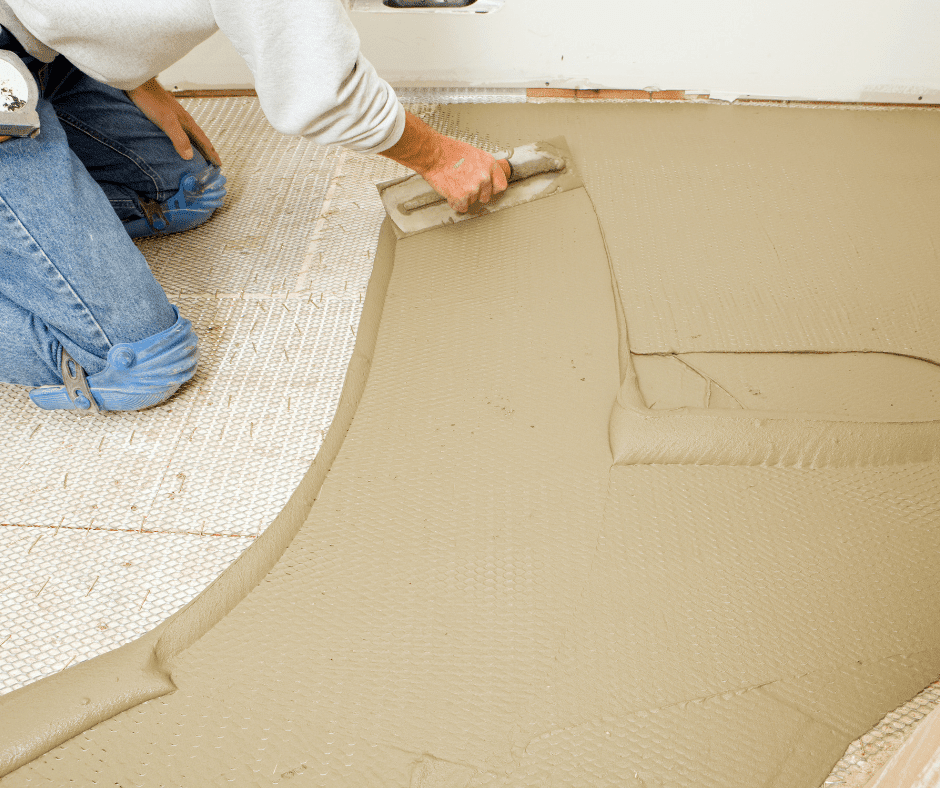
Another frequent cause is improper installation. If the thinset (tile adhesive) wasn’t applied evenly, or if there were air pockets underneath, the tile won’t have full support. Homeowners in newer builds across Vaughan, Richmond Hill, and Markham often find tiles lifting because the contractor rushed the job or used low-quality materials.
Moisture is another enemy. Bathrooms, kitchens, and laundry rooms are the most common places for cracked corners because water sneaks into the grout lines. Over time, moisture softens the thinset and weakens the bond, causing the tile to loosen.
Heavy impact can also create cracks. Dropping a shampoo bottle, a tool, or a kitchen pot can cause a small corner crack that slowly spreads.
Every crack has a cause — and it’s usually not the tile itself.
For professional tile solutions, explore our tile installation and repair services in Toronto.
What Loose Tile Edges Reveal About Your Floor
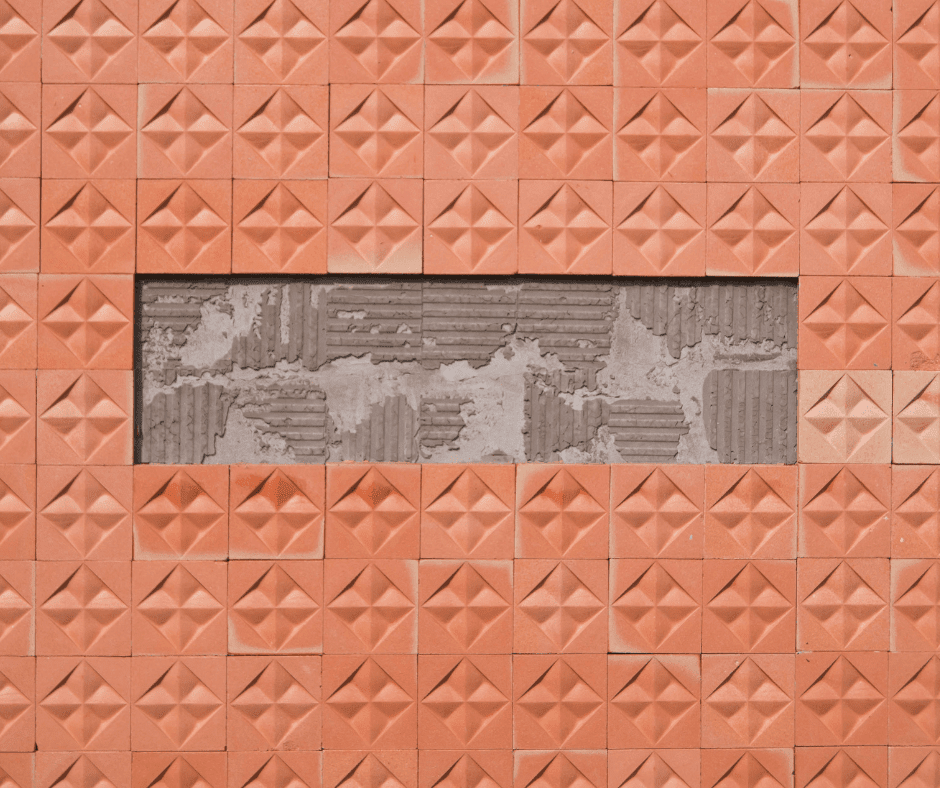
When a tile edge starts to lift, many homeowners think it’s just one tile misbehaving. But a loose tile is like a warning light on a dashboard. It tells you the surface underneath has lost its grip.
Loose edges often mean that the bond between the tile and thinset has broken. This can happen slowly over time or suddenly due to moisture. In older Toronto homes, loose tiles are often connected to long-term humidity issues. In condos, loose edges can point to slight building movement or vibration.
Sometimes a loose tile reveals an even bigger problem — movement in the subfloor. If the floor “gives” even slightly when you step on it, the tiles above will eventually crack, shift, or detach.
What homeowners see on the surface is only a small part of what’s happening below.
Cracks That Spread: Why You Shouldn’t Ignore Them
Tile cracks don’t stop at the corner. They grow. Once the tile is compromised, every step puts pressure on the weak point. The crack can spread through the center of the tile or along the grout lines.
Worse, a cracked tile becomes an easy entry point for water. Moisture can seep through the crack and begin softening the thinset, weakening the bond even further. In bathrooms or kitchens, this moisture can eventually reach the subfloor, causing swelling, mold growth, and structural damage.
A repair that could be handled easily becomes a more complicated restoration if ignored.
How RenoHeal Fixes Cracked Tiles the Right Way
Many homeowners attempt DIY repairs such as filling cracks with caulk or adhesive.
Unfortunately, these fixes usually hide the problem rather than solve it.
At RenoHeal, the first step is diagnosing the real cause.
Technicians inspect whether the tile sounds hollow underneath, whether the surrounding tiles move, and whether the subfloor is stable.
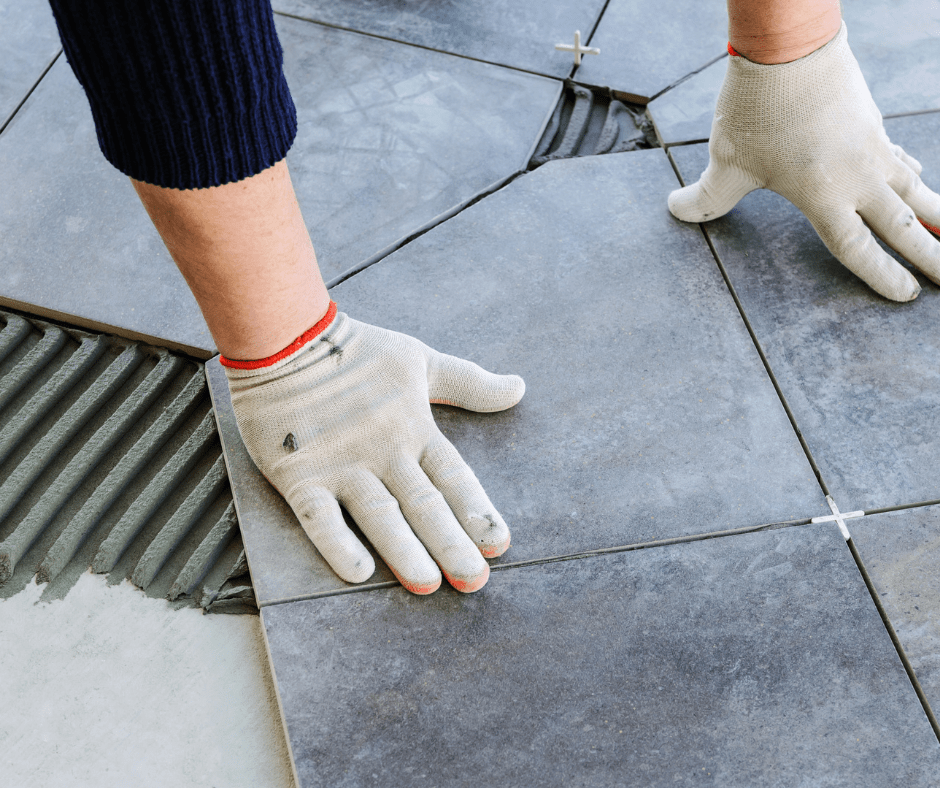
If the tile itself is damaged but the structure underneath is solid, the cracked tile is carefully removed.
The old thinset is cleaned out and a new tile is installed with proper adhesive coverage.
If the subfloor has shifted or weakened, the structure underneath is repaired or reinforced before reinstalling the tile.
In bathrooms or kitchens, we also inspect surrounding caulking and grout lines to ensure moisture cannot return.
For moisture protection, professional caulking services can help seal vulnerable joints and prevent water intrusion.
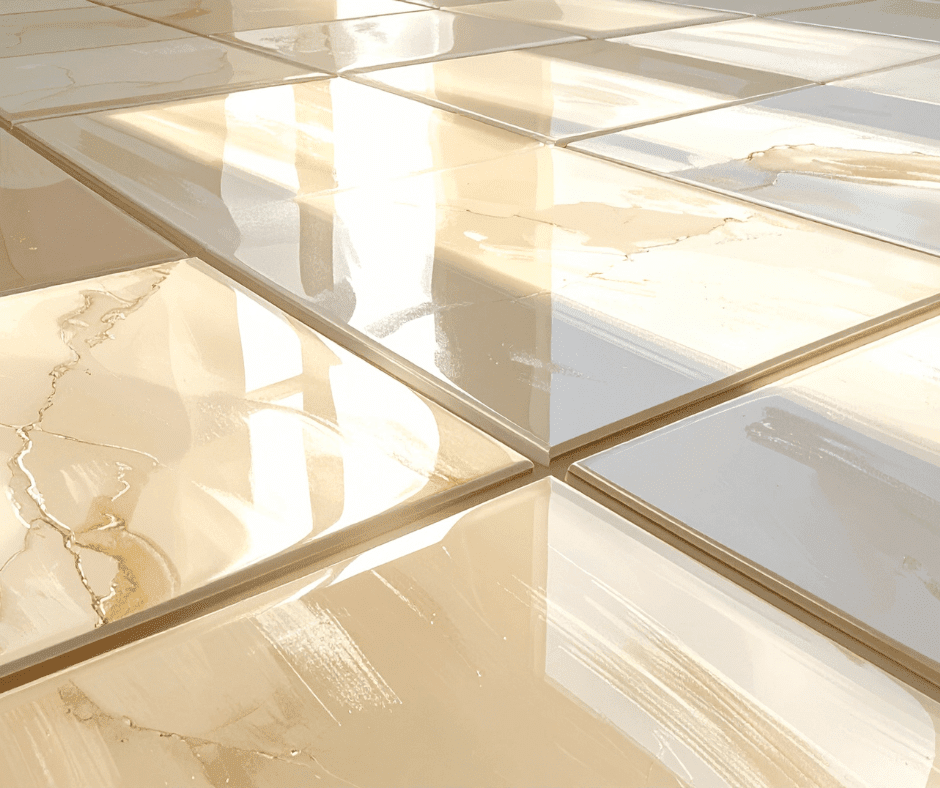
When installed correctly, the replacement tile blends seamlessly with the rest of the floor and remains stable for years.
What Professionals Look for That Homeowners Usually Miss
A trained technician can identify hollow spots by tapping tiles lightly. They can see subtle signs of moisture, movement, or improper installation. They know the difference between a crack caused by impact and one caused by structural shifting.
Professionals also evaluate the condition of the grout, the straightness of adjacent tiles, and the firmness of the subfloor. These details reveal whether the problem is isolated or part of a bigger issue.
This deeper inspection makes the repair long-lasting instead of temporary.
How to Prevent Future Tile Cracks and Lifting
Tiles stay strong when the environment beneath them stays stable. Keeping grout sealed prevents moisture from slipping underneath. Controlling humidity in bathrooms and kitchens reduces expansion in wooden subfloors.
Using mats near sinks prevents impact damage from dropped items. Checking for hollow-sounding tiles occasionally can help you catch lifting early before it spreads.
Regular maintenance and awareness go a long way in protecting tile floors.
Need Tile Repair in the GTA? RenoHeal Can Restore Your Floors Today
Cracked tile corners and loose edges are not just cosmetic issues. They are signs of deeper problems in the flooring system. Whether you live in Toronto, Vaughan, North York, Etobicoke, Richmond Hill, Markham, Mississauga, Brampton, Aurora, or Newmarket, repairing tile damage early can save you from larger and more expensive repairs later.
At RenoHeal, we take pride in delivering clean, durable, and professional home repairs that protect and improve your property.
Call 647-657-6367 or Request a Free Quote today.
Follow our renovation projects and tips on Instagram and YouTube.
RenoHeal proudly serves homeowners across the GTA including Toronto, North York, Vaughan, Richmond Hill, Markham, Aurora, Newmarket, Mississauga, and Brampton.