The Hidden Danger Inside Your Bathroom
Bathrooms are meant to be the cleanest place in your home — but sometimes, they hide one of the most common indoor health risks: mold.
Watch: Why Moldy Caulking Can Be Dangerous in Bathrooms
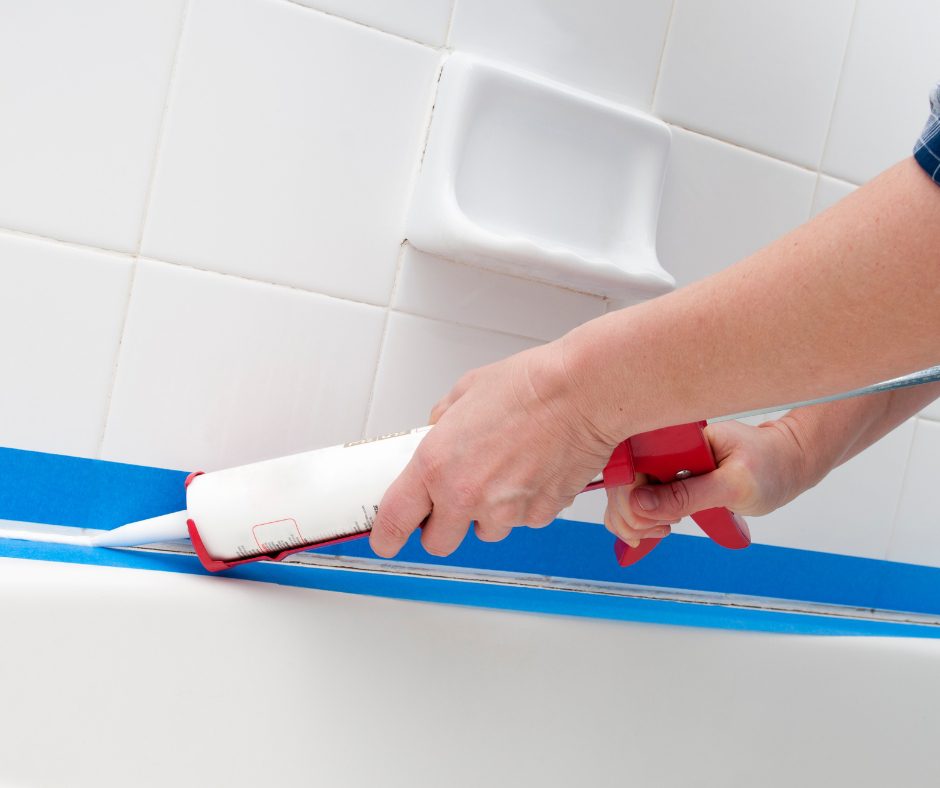
Those dark, rubbery lines around your bathtub or shower edges might seem harmless, but if the silicone caulking is old, cracked, or discolored, it can be a silent source of mold growth.
For families with children, this isn’t just an aesthetic problem. Mold spores can affect breathing, skin health, and overall indoor air quality. At RenoHeal, we’ve seen how neglecting small details like old caulking can lead to much bigger concerns — especially in homes with kids.
For trusted Handyman Services in Toronto, explore our complete range of local repair, maintenance, and home improvement solutions.
How Mold Grows in Shower Caulking
Mold thrives in moisture. When caulking ages or cracks, water seeps between the silicone and tiles, creating a damp, unventilated pocket — the perfect breeding ground for mold.
Every time you take a shower, the warm steam and humidity feed this trapped moisture, spreading spores deeper behind the wall.
Why Bathrooms Are Mold’s Favorite Environment
Bathrooms are naturally humid, but poor ventilation and regular steam make them ideal for mold to multiply. Even if you clean your tiles often, mold can grow beneath the surface — where household cleaners can’t reach. Once it takes hold, it can stain your tiles, produce odor, and even damage your drywall or grout.
The Health Risks of Moldy Caulking for Children
Children are more sensitive to air quality and allergens than adults. The spores released by moldy caulking are microscopic — invisible but easily inhaled.
Breathing Problems and Allergies
Mold exposure can trigger coughing, sneezing, and watery eyes. For kids with asthma or seasonal allergies, these symptoms can get worse indoors, especially after shower time.
Over time, consistent exposure to mold can cause chronic respiratory issues and fatigue.
Skin Irritation and Immune Sensitivity
Bath time should be relaxing — not risky. Mold in your shower or bathtub caulking can irritate skin upon contact. Sensitive children or babies might develop mild rashes or itching after bathing in a mold-contaminated environment.
Long-Term Effects You Can’t See
According to home health experts, even small mold patches can release thousands of spores daily. That means you could be cleaning your bathroom regularly but still spreading mold particles through your home’s air.
The Real Cause — It’s Not Always Poor Cleaning
Many homeowners assume moldy caulking means they haven’t cleaned enough. That’s rarely true.
Even spotless bathrooms grow mold once the seal is broken. Silicone caulk is waterproof only when it’s applied correctly and kept sealed; once it cracks, no cleaning product can stop water from getting in.
Why DIY Caulking Often Fails
Homeowners often try to apply new caulking over old, moldy layers — but this traps moisture underneath, accelerating mold growth.
Proper mold removal requires completely stripping the old silicone, disinfecting the area, drying it thoroughly, and applying professional-grade waterproof caulk.
Need professional help replacing damaged bathroom silicone? RenoHeal provides expert shower and bathtub caulking services in Toronto and the GTA, using mold-resistant premium silicone that protects your home from moisture and mold.
How RenoHeal Eliminates Mold the Professional Way
At RenoHeal, we’ve perfected a process that removes both the visible and hidden mold, ensuring your bathroom stays safe for your family.
Step 1 – Full Silicone Removal
We carefully scrape and remove every trace of old caulking, exposing the area underneath to locate hidden mold.
Step 2 – Deep Cleaning and Mold Treatment
We use professional mold-removal solutions to disinfect and dry the area completely, ensuring no spores remain trapped behind the tiles.
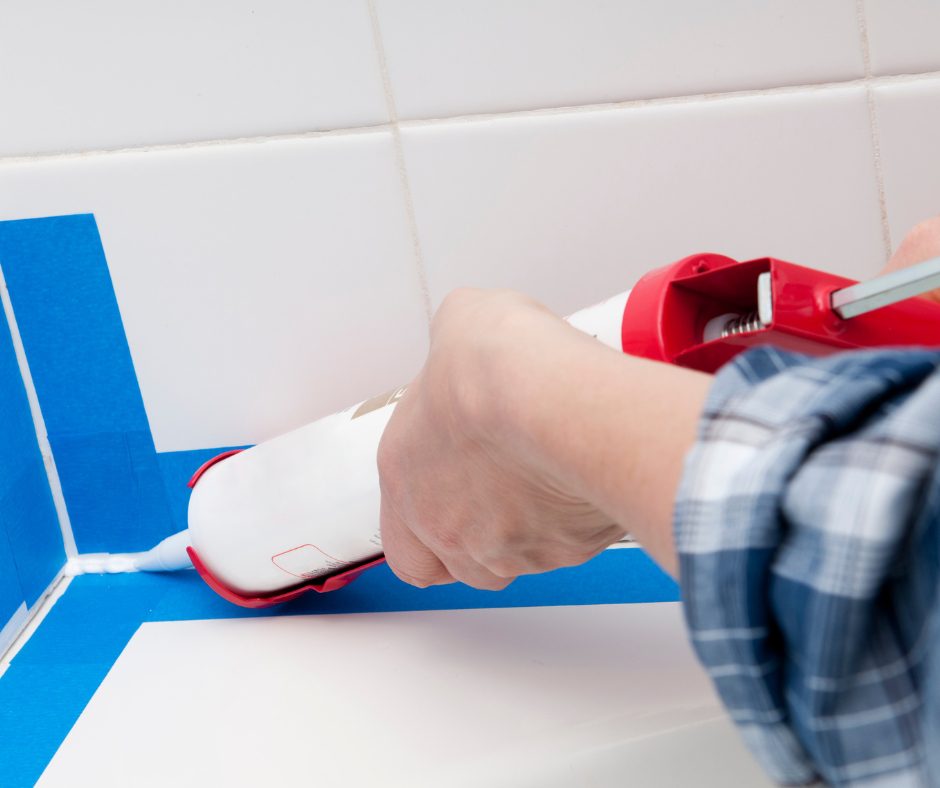
Step 3 – Premium Waterproof Re-Caulking
Once the area is clean and dry, we apply high-quality, anti-fungal silicone sealant that resists mold, moisture, and discoloration for years.
Step 4 – Clean Finish and Safety Check
Every job ends with a smooth, clean edge and a full inspection to make sure your bathroom is fully sealed, dry, and family-safe.
Materials Professionals Use for Mold-Resistant Caulking
Professional caulking is not just about applying silicone. The quality of the materials makes a huge difference in preventing mold and moisture problems in bathrooms.
At RenoHeal, we use high-quality, mold-resistant silicone and professional preparation tools to ensure long-lasting results.
Some of the materials commonly used include:
• Mold-resistant bathroom silicone sealant
• Professional caulking removal tools
• Surface preparation cleaners
• Waterproof sealing materials
Prevention Tips for Homeowners
You can extend your caulking’s life and keep mold from returning by:
Running your bathroom fan for 10–15 minutes after showers
Wiping down moisture from corners and glass