Every Toronto homeowner knows this sound: a small squeak under your foot as you walk across the living room. At first, you laugh and think, “Old houses make noises.” Maybe the sound disappears for a few days. Maybe it comes back louder. Maybe certain boards feel slightly loose, or one spot dips when you step on it.
Across the GTA — from Toronto to Vaughan, Richmond Hill, Markham, Scarborough, Mississauga, Brampton, Newmarket, Aurora, and North York — squeaky floors are one of the most common flooring complaints. People often ignore them because they don’t seem serious. After all, the floor hasn’t collapsed. It’s just making a noise, right?
But squeaks and loose boards are not random. They are the floor’s way of sending a message. Your home is telling you something about moisture, wear, structural movement, or installation issues hiding underneath.
Understanding the meaning behind these noises can save you from expensive repairs — and help you catch early signs before they turn into bigger problems.
For reliable handyman services in Toronto, check out our full range of local repair, maintenance, and home improvement solutions.
Watch: Why Floors Squeak and Boards Become Loose
This video explains the most common reasons floors squeak or feel loose, and how professional inspection and repair can restore stability and eliminate noise.
Why Floors Squeak in the First Place
Floors don’t squeak because they “feel like it.” Something physical is happening beneath your feet. In Toronto homes, especially older houses in East York, Annex, Etobicoke, and Scarborough, squeaking is surprisingly common because of natural settling and aging construction.
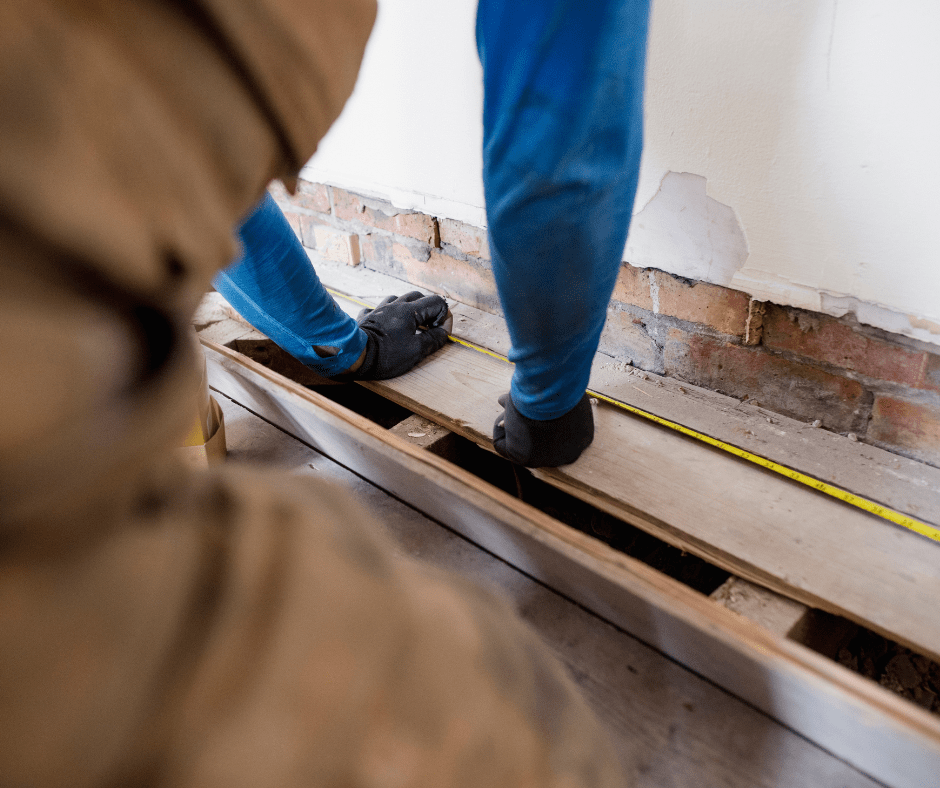
One of the most frequent causes is movement between the floorboards and the subfloor. When two surfaces rub together — wood on wood, wood on nails, or wood on metal brackets — they create friction. That friction is what produces the squeak.
Humidity also plays a huge role. In the GTA, moisture levels change dramatically between winter and summer. Wood expands in humid weather and shrinks in dry air. This constant movement causes boards to loosen, nails to shift, and gaps to form. Even a tiny change in moisture can create enough space for flooring to move and squeak.
Some newer homes in Vaughan or Richmond Hill squeak because of installation shortcuts. If the contractor didn’t secure the subfloor properly, missed screws, or used low-quality materials, the boards can loosen prematurely.
The sound is a symptom — not the problem itself.
For structural repairs and stabilization, our professional flooring installation and repair services in Toronto help restore stability and eliminate floor movement.
Professional flooring contractors often use specialized fasteners and subfloor adhesives available from stores like Home Depot to ensure long-lasting flooring stability.
What Loose Boards Are Really Saying
A loose floorboard isn’t just an annoyance. It’s an early signal of a bigger issue.
When a board feels soft or pops up slightly, it means the connection between the floor and the subfloor has weakened. This can happen when nails back out, when glue fails, or when moisture causes the wood to warp. In homes with laminate flooring, loose planks can mean the click system is separating.
If the board dips when stepped on, the issue may be deeper — possibly involving the subfloor or joists. A soft spot can indicate water damage, especially around kitchens, bathrooms, or laundry areas.
Loose boards often warn you long before a real problem appears on the surface.
When Flooring Noise Becomes a Bigger Problem
A squeak here and there is normal in older homes. But persistent noise or worsening movement often means something is deteriorating.
If the squeaks grow louder or spread across rooms, it usually means the underlying issue is also spreading. Moisture might be affecting multiple boards. The subfloor might be loosening. The joists might be shifting slightly.
Homeowners in Toronto condos sometimes hear squeaks because of building movement. High-rise buildings naturally expand and contract. If the flooring wasn’t installed with proper spacing, shifts can create ongoing friction.
Leaving these issues untreated can eventually lead to buckling, gaps, cracked boards, or damaged finishes.

How RenoHeal Diagnoses and Fixes Squeaky Floors
When homeowners call RenoHeal, the goal is always to understand why the floor is making noise — not just silence it temporarily.
A proper assessment starts with identifying the exact spots where the noise occurs.
Each squeak has a pressure point. By stepping, listening, and testing the floor, technicians map where friction occurs.
If the problem is between the floorboards and the subfloor, the repair focuses on securing that movement. This may involve tightening screws, reinforcing the subfloor, or adjusting loose boards.
Specialized flooring screws designed to pull the subfloor tight can eliminate movement quickly.
If moisture is the cause, technicians check for leaks, condensation, or weakened subfloor sections.
When moisture affects nearby walls or ceilings, our professional drywall repair in Toronto may also be required to restore damaged surfaces.
For laminate or engineered floors, loose planks may need to be reinstalled, glued, or replaced to restore proper alignment.
RenoHeal’s flooring repairs focus on long-term stability — not temporary fixes.
What Professionals Notice That Homeowners Don’t
A trained expert can identify subtle signs like minor warping, lifted edges, hollow sounds, or gaps between boards. These indicators reveal whether the subfloor is uneven, whether joists have shifted, or whether humidity has affected the material.
Professionals also check nearby areas. A squeak near a bathroom might be connected to moisture problems. A squeak near a main floor wall might indicate structural movement or settling. Floors tell stories — you just need someone who knows how to read them.

How to Prevent Squeaks and Loose Boards in the Future
Floors stay stable when they’re protected from moisture, temperature swings, and heavy impact. Keeping humidity levels moderate in summer and winter helps the wood stay consistent. Using mats near entrances prevents water from spreading into the flooring.
For hardwood floors, gentle cleaning and avoiding wet mops keeps the boards from swelling. For laminate, making sure furniture has protective pads prevents pressure points that loosen the planks.
Periodic inspections in bathrooms and kitchens also help catch leaks early before they reach the subfloor.
A little awareness goes a long way in keeping floors quiet and stable.
Need Flooring Repair in the GTA? RenoHeal Is Here to Help
Whether you live in Toronto, North York, Etobicoke, Vaughan, Richmond Hill, Markham, Mississauga, Brampton, Aurora, or Newmarket, squeaky floors are more than just a noise. They are early warnings from your home. When addressed early, the repair is simple and inexpensive. When ignored, loose boards and moisture can spread into much bigger issues.
At RenoHeal, we take pride in delivering clean, durable, and professional home repairs that protect and improve your property.
Call 647-657-6367 or Request a Free Quote today.
Follow our renovation projects and tips on Instagram and YouTube.
RenoHeal proudly serves homeowners across the GTA including Toronto, North York, Vaughan, Richmond Hill, Markham, Aurora, Newmarket, Mississauga, and Brampton.