Soft Floor Repair Toronto
You’re walking through your home, maybe carrying laundry or heading to the kitchen, when your foot steps onto a section of the floor that feels different. Softer. Slightly spongy. Maybe it dips just a little or creaks when pressure is applied. At first, it seems easy to ignore. Many homeowners assume it’s simply part of living in an older house.
But across Toronto and the GTA — including Vaughan, Richmond Hill, Markham, North York, Mississauga, Brampton, and Aurora — a soft spot in the floor is usually an early warning sign. It means the structure beneath the flooring is weakening.
Floors should always feel solid and stable. If an area feels soft or flexible, something underneath is no longer providing proper support. Left untreated, the problem can lead to structural damage, flooring failure, and costly repairs.
Understanding why soft floors develop can help homeowners address the issue before it spreads.
For dependable handyman services in Toronto, explore our complete range of home repair and flooring solutions.
Watch: What a Soft Spot in the Floor Really Means
This video explains why floors become soft, what it means for the structure underneath, and how proper repairs restore stability and prevent further damage.
Why Floors Get Soft in the First Place
A soft spot in the floor happens when the layer beneath — usually the subfloor — becomes compromised. In GTA homes, especially older ones in Scarborough, East York, Etobicoke, and Downtown Toronto, subfloor issues are more common than homeowners realize.
The wood beneath your flooring expands, contracts, absorbs moisture, and shifts with temperature changes over years. When that material weakens or separates from the joists, the flooring above loses its support.
In condos around North York and Mississauga, soft spots can be caused by leaks from units above, poor installation, or long-term humidity trapped beneath the flooring.
No matter the type of home, one thing is true: a soft floor always means something underneath isn’t holding properly anymore.
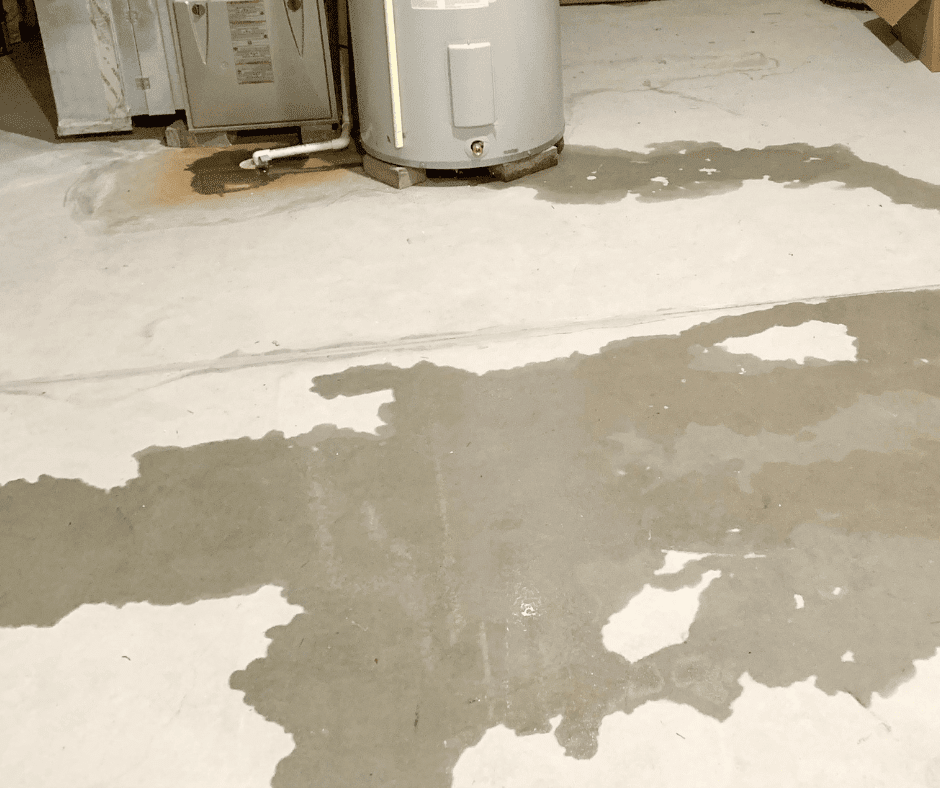
Moisture: The Most Common Cause
Water is the enemy of a strong floor. Even a small amount of moisture trapped under the surface can weaken the plywood or particleboard subfloor. Over time, it softens, swells, or begins to rot.
Moisture can come from many places:
- A slow leak from a nearby bathroom or kitchen
- A past plumbing issue that was never dried properly
- Humidity buildup from poor ventilation
- Water slipping under tiles, laminate, or vinyl
The flooring on top may still look perfectly fine, but the subfloor underneath is quietly breaking down. By the time you feel a soft spot, the moisture has already done its damage.
Structural Shifting and Settling
Toronto homes — especially older detached houses — naturally settle over time. As joists shift and framing moves, some areas of the subfloor lose their tight connection. This creates flex in the floor, which feels like softness when you walk across it.
If the settling was sudden or dramatic, it could indicate a deeper structural issue, not just normal aging. This is why soft spots should always be examined by a professional.
Poor Installation or Low-Quality Materials
In newer homes and condos throughout Vaughan, Richmond Hill, and Markham, soft floors often come down to poor workmanship. If the builder used thin or cheap subfloor materials, or if the flooring was installed without proper support, soft spots show up within just a few years.
If you feel a soft area near transitions, doorways, or bathrooms, improper installation is often the cause.
Why This Problem Never Fixes Itself
Once a subfloor begins to soften, it doesn’t re-strengthen over time. The damage spreads. Moisture continues weakening the material. The flooring on top begins to warp, lift, or separate.
Eventually:
- tiles crack
- laminate planks buckle
- hardwood boards separate
- nails or screws pop up
- the dip becomes deeper
By the time visible damage appears, the repair is much more extensive.
Ignoring a soft spot doesn’t save money — it increases the cost of the future repair.
How RenoHeal Fixes Soft Floors Properly
When homeowners contact RenoHeal about a soft floor, our first priority is identifying the root cause.
Technicians inspect the flooring and subfloor structure, check nearby plumbing for leaks, and use moisture detection tools when necessary.
Once the source of the problem is identified, repairs can begin.
Depending on the cause, repairs may involve:
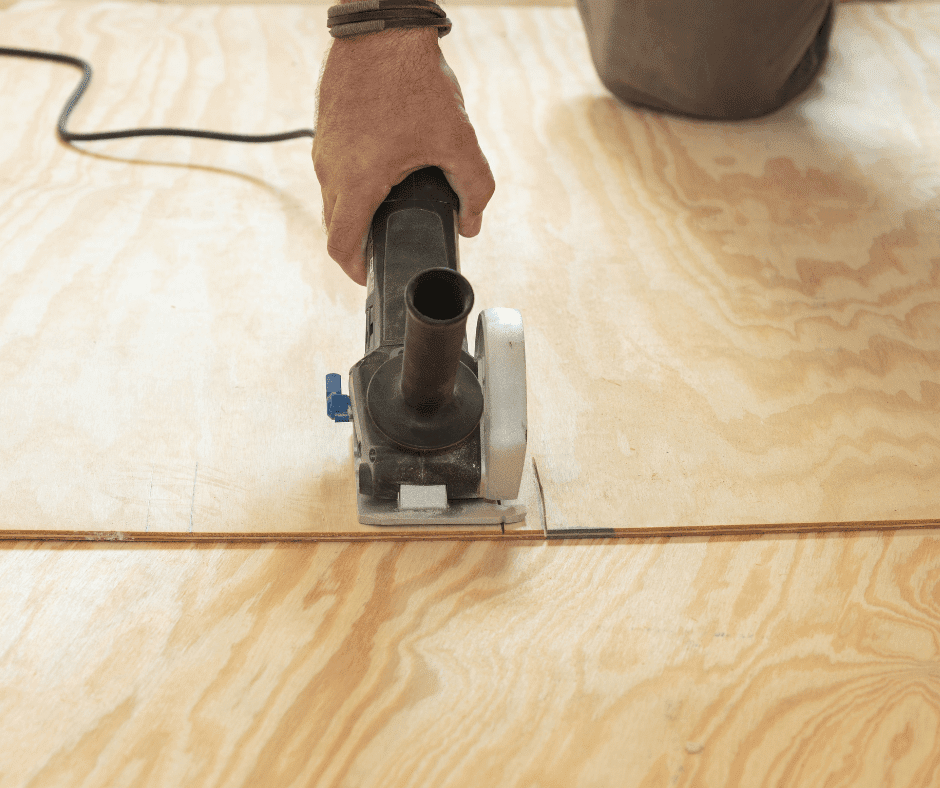
• reinforcing weakened subfloor sections
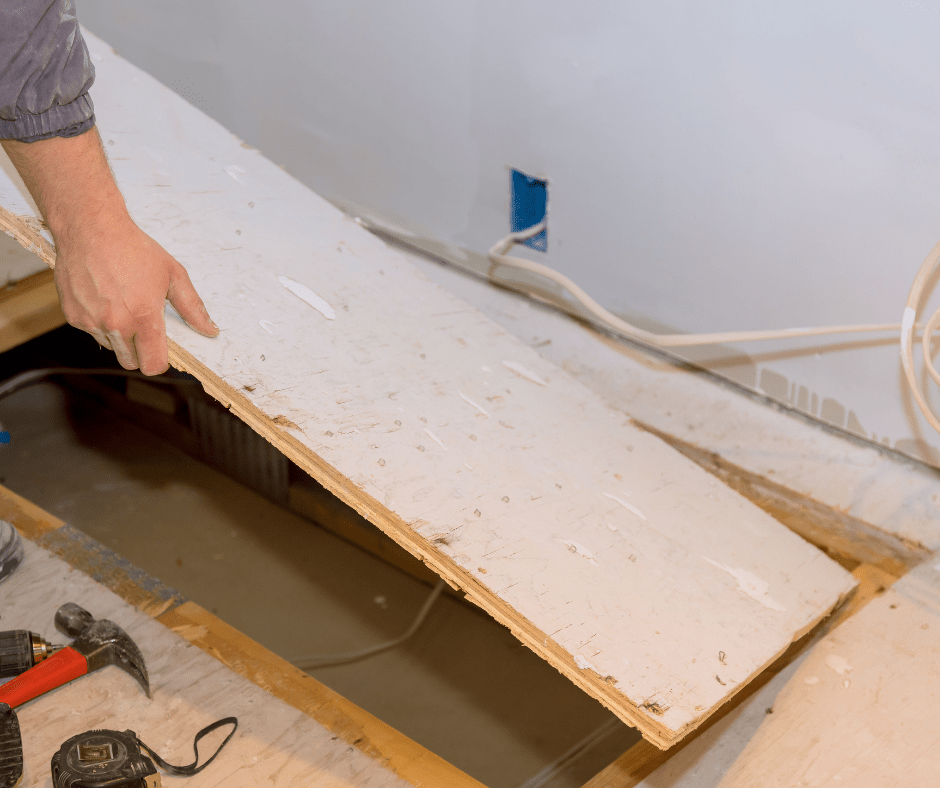
• replacing damaged subfloor materials
• correcting joist support issues
• drying and sealing moisture-affected areas
If the visible flooring has been damaged, we reinstall or replace laminate, vinyl, tile, or hardwood flooring to restore a smooth and stable surface.
Our goal is not only to make the floor feel solid again but to ensure the structure beneath it remains safe and durable.
For flooring restoration and installation services, explore our professional flooring repair solutions in Toronto.
What Professionals Notice That Homeowners Don’t
A trained technician can tell whether a soft spot is moisture-related, installation-related, or structural just by examining the surrounding floor movement, the sound it makes, and the condition of the subfloor edges.
Professionals also look for:
- slight discoloration in baseboards
- lifted corners in flooring
- gaps in transition strips
- moisture patterns beneath tiles
These subtle signs point directly to the true cause of the problem.
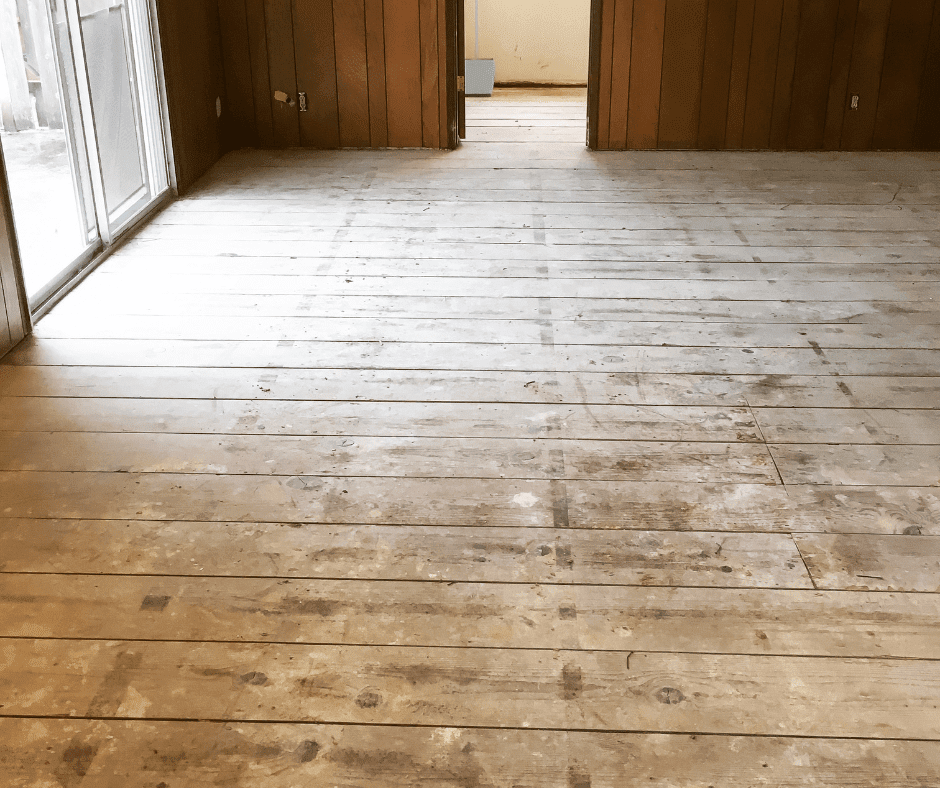
How to Prevent Soft Floor Spots in Your Home
Prevention starts with moisture control. Regularly inspect bathrooms, kitchens, and laundry areas for leaks. Keep ventilation strong, especially in condos where humidity builds up quickly. Address loose tiles or lifted flooring early — they often hide moisture beneath them.
Once a year, walk the home barefoot and feel for areas that seem different. The earlier you detect a soft spot, the easier and cheaper the repair.
Need Floor Repair in Toronto? RenoHeal Can Help
A soft spot in your floor isn’t something to ignore. It’s a message from your home — and the earlier you respond, the safer and more affordable the repair.
At RenoHeal, we take pride in delivering clean, durable, and professional home repairs that protect and improve your property.
Call 647-657-6367 or Request a Free Quote today.
Follow our renovation projects and tips on Instagram and YouTube.
RenoHeal proudly serves homeowners across the GTA including Toronto, North York, Vaughan, Richmond Hill, Markham, Aurora, Newmarket, Mississauga, and Brampton.