Black Line Around Your Bathtub
It’s Not Just Dirt
You notice it every time you shower — that thin black line where the bathtub meets the tiles.
You scrub it, spray bleach, maybe even scrape at it, but it never really goes away. Within a few weeks, it’s back again — darker than before.
Here’s the truth most homeowners don’t realize:
that black line isn’t just dirt — it’s a sign of trapped moisture and growing mold beneath your caulking.
At RenoHeal, we’ve replaced hundreds of bathtub caulking lines across Toronto and the GTA, and in almost every case, the black discoloration was the warning sign of something much bigger hiding underneath.
For reliable handyman services in Etobicoke, you can explore our complete range of local repair and home improvement solutions.
Watch: What’s Really Behind That Black Line Around Your Bathtub
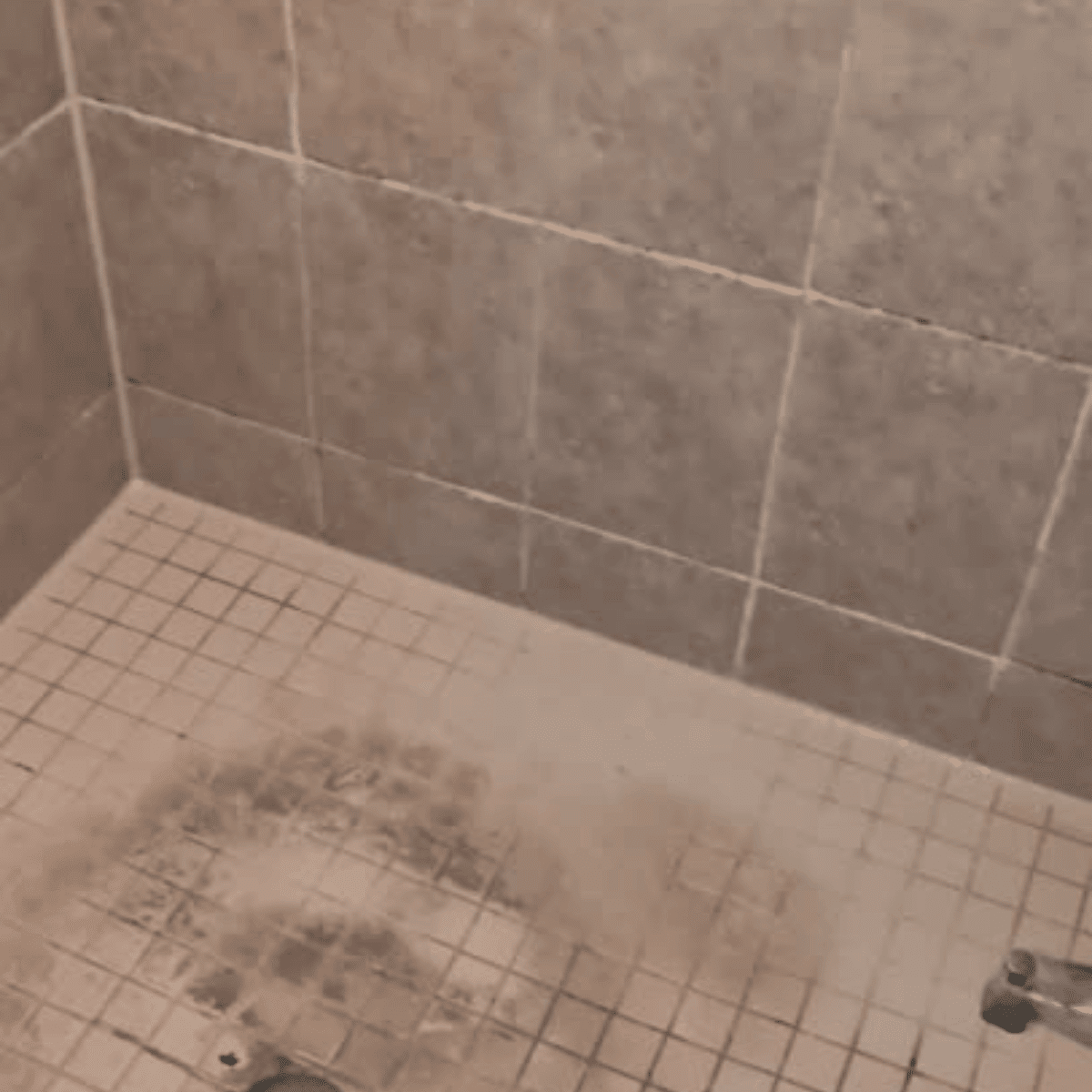
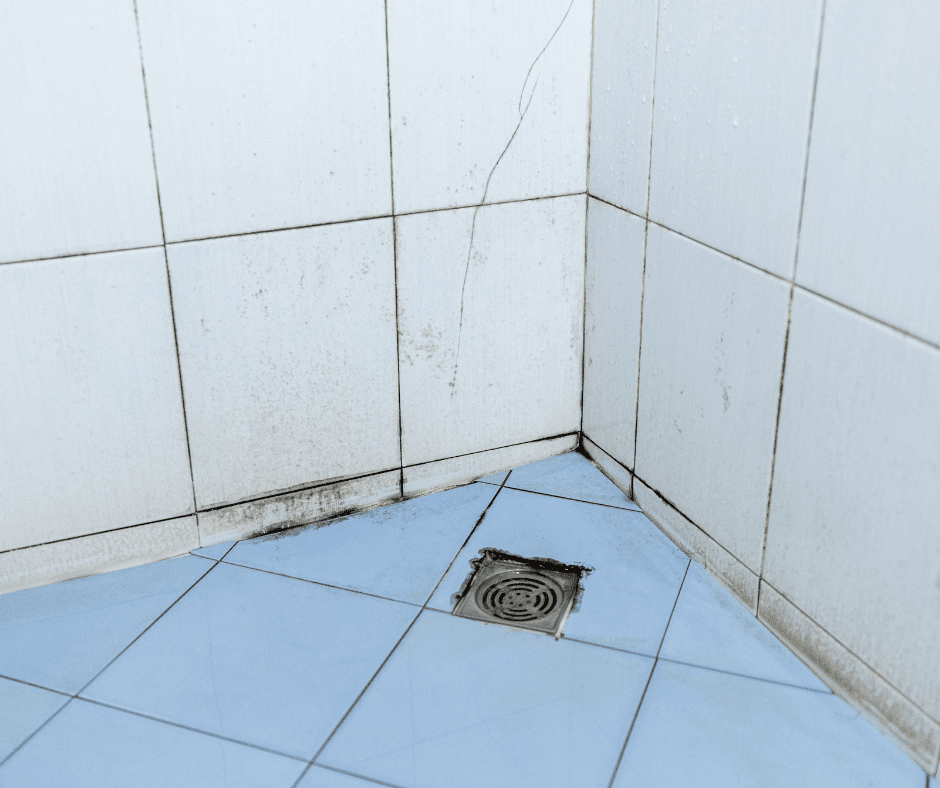
Failing grout and caulking often allow moisture to seep behind tiles and walls. Over time this trapped moisture leads to mold growth, black stains, and hidden structural damage.
What That Black Line Actually Is
Mold — the Hidden Guest in Your Bathroom
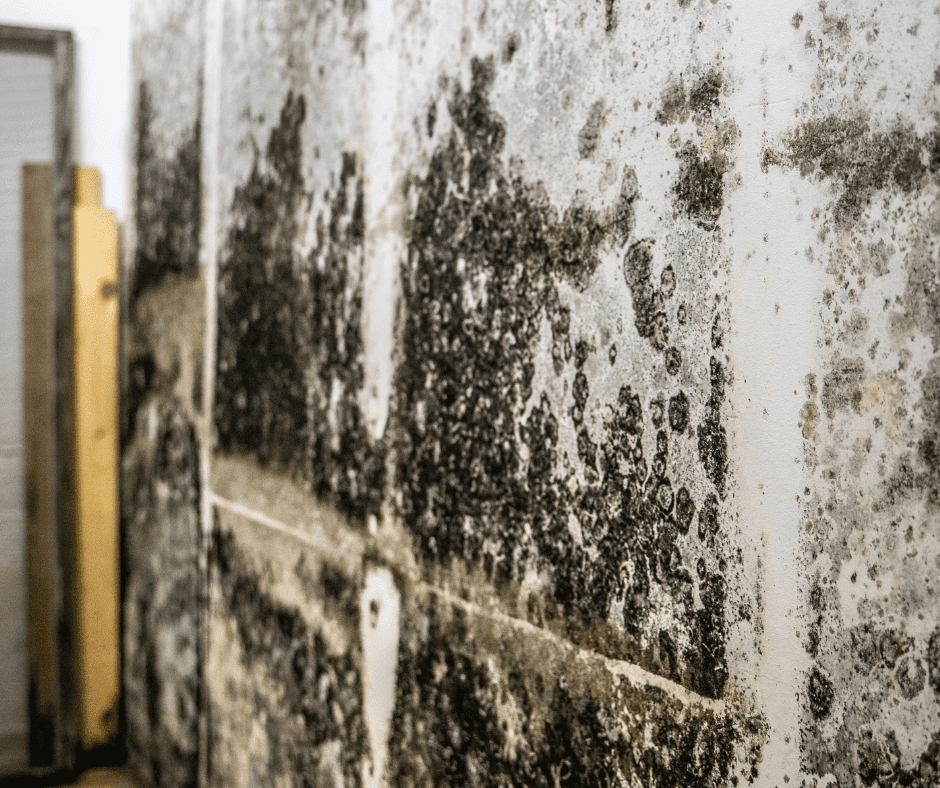
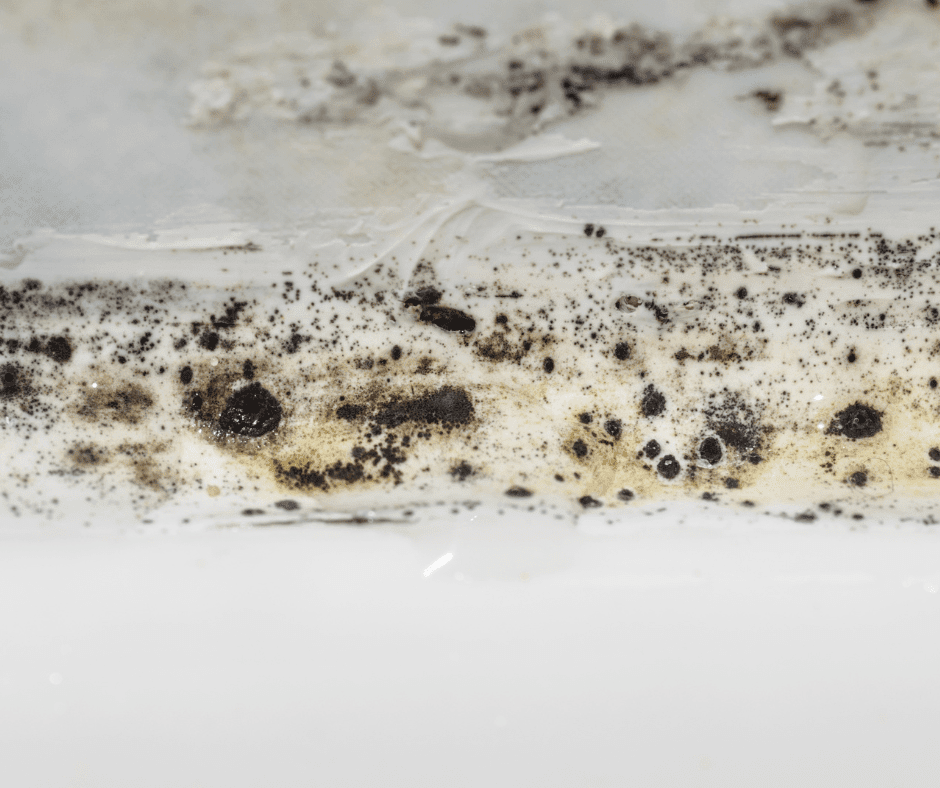
When you see black around your bathtub edges, what you’re really seeing is mold growing inside or behind the silicone caulking.
Mold thrives in warm, wet, and dark environments — and your bathtub edge checks every box.
As soon as water gets behind the caulking (even through a tiny gap or crack), it creates the perfect hidden environment for mold to grow where cleaning can’t reach.
For long-term moisture protection, our bathroom caulking service in Toronto seals tubs, showers, and tile joints to stop water from reaching hidden areas.
Professional contractors often rely on high-quality waterproof sealants available from stores like Home Depot to ensure durable and mold-resistant sealing.
Why It Keeps Coming Back
Even if you clean or bleach it, the mold inside the caulking remains alive. Surface cleaning only removes what’s visible, but the deeper spores stay protected beneath the silicone.
Once moisture builds up again, those spores reappear — which is why the black line always “comes back.”
How Moisture Sneaks Behind the Caulking
Shrinking and Cracked Silicone
Over time, bathroom caulking naturally shrinks or separates from the tile and tub because of temperature changes, cleaning products, and constant exposure to steam.
Even the smallest separation — invisible to the eye — allows water to slip behind the surface.
Soap Scum and Residue
Soap, shampoo, and body oils feed the mold growing behind old caulking. When water seeps in, that buildup turns into a breeding ground for bacteria and mildew.
Poor Ventilation
In many Toronto homes, bathrooms don’t have proper ventilation. Without airflow, humidity lingers, keeping surfaces damp and accelerating mold growth.
Why Cleaning Won’t Fix It
Bleach Doesn’t Kill Hidden Mold
Bleach might whiten the surface temporarily, but it can’t reach deep enough to kill the spores underneath.
Worse, bleach can actually damage the silicone surface, making it rough and porous — perfect for new mold to grab onto.
Covering Old Caulking Makes It Worse
Some homeowners try applying new caulk over the old one. Unfortunately, that only seals the moisture and mold inside, creating a thicker problem that spreads faster.
The only real fix is to remove the old caulking completely and start fresh.
The Real Dangers Behind That Black Line
Hidden Water Damage
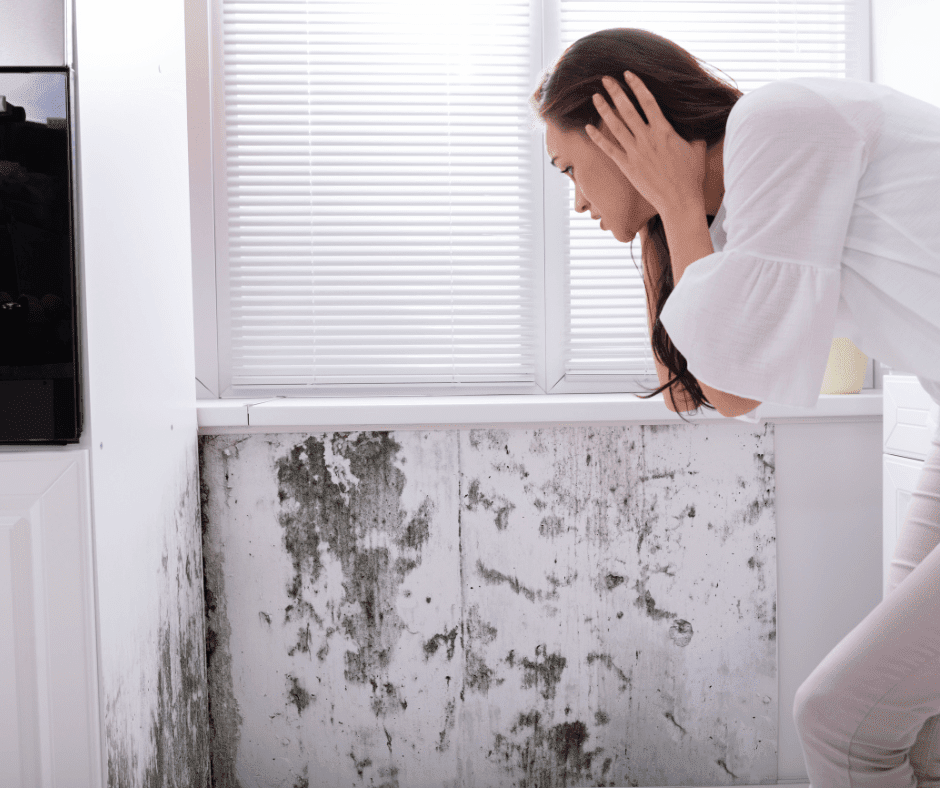
Once mold forms behind caulking, the surrounding drywall or tile backing often stays wet for months.
That trapped moisture can soften drywall, loosen tiles, and damage the structure beneath the bathtub.
When moisture damages the surrounding wall, professional drywall repair in Toronto may be needed to restore the area safely.
Air Quality Concerns
Mold releases tiny spores into the air that can trigger allergies, asthma, or respiratory irritation — especially in children and seniors.
If you notice musty smells or black spots growing beyond the edges, it’s time to take action.
Damaged Appearance
Besides the health and structural risks, blackened caulking simply looks dirty. Even a spotless bathroom feels neglected when the tub edge is discolored.
How RenoHeal Fixes It for Good
At RenoHeal, we don’t just cover up mold — we eliminate the cause. Our professional re-caulking service restores your bathtub’s appearance while protecting it against future moisture.
Step 1 – Complete Removal of Old Caulking
We carefully remove every bit of the old silicone — even from deep corners — to ensure no mold remains.
Step 2 – Cleaning and Disinfection
Next, we thoroughly clean and disinfect the area using anti-fungal solutions that kill spores on the surface and below it.
Step 3 – Drying and Surface Prep
We let the area dry completely before applying new silicone. This step is critical — sealing a wet surface is what causes mold to come back.
Step 4 – Professional Application
Using industrial-grade, waterproof, anti-fungal silicone, we apply clean, even lines with a perfect finish. It not only looks new but seals out moisture for years.
Step 5 – Quality Check
Before we leave, we inspect every corner to make sure the caulking is airtight, smooth, and properly bonded.
How to Keep It Clean After Re-Caulking
Once your bathtub is re-caulked professionally, keeping it fresh is simple with these quick tips.
1. Wipe After Use
Use a towel or squeegee to remove standing water from the edges after each shower.
2. Keep Air Flowing
Run the fan for 15–20 minutes after every bath or shower to help the area dry.
3. Avoid Harsh Cleaners
Stick to gentle, non-acidic bathroom cleaners that won’t damage the silicone.
4. Reinspect Once a Year
A quick yearly inspection can catch small cracks or discoloration before they turn into bigger problems.
Why Professional Re-Caulking Is Worth It
Replacing caulking may seem like a small thing, but it’s one of the most cost-effective ways to protect your home.
For about $150, you can prevent:
• Mold buildup
• Water leaks
• Wall and floor damage
• Costly bathroom repairs
Compared to a $2,000 mold remediation or renovation, it’s one of the smartest investments a homeowner can make.
Say Goodbye to the Black Line — for Good
That stubborn black line isn’t a cleaning problem — it’s a moisture problem. And once you stop the moisture, you stop the mold.
At RenoHeal, we take pride in delivering clean, durable, and professional home repairs that protect and improve your property.
Call 647-657-6367 or Request a Free Quote today.
Follow our renovation projects and tips on Instagram and YouTube.
RenoHeal proudly serves homeowners across the GTA including Toronto, North York, Vaughan, Richmond Hill, Markham, Aurora, Newmarket, Mississauga, and Brampton.