Every GTA homeowner knows the moment: you walk down into the basement to grab something from storage, switch on the light, and smell it — that musty, slightly sour odor that seems to come from nowhere. At first, you blame moisture or humidity. You open windows, run a fan, maybe plug in an air freshener. For a day or two, the smell softens. But then it comes back, stronger.
Across Toronto, Vaughan, North York, Richmond Hill, Markham, Mississauga, Brampton, and Aurora, basement odors are one of the most misunderstood home issues. Most people think moisture alone causes the smell. But moisture is only half the story. The other half — and often the real culprit — is poor sealing.
Basements breathe differently than the rest of the home. When cracks, gaps, and unsealed joints exist, odors from the soil, foundation, crawlspaces, and hidden areas slowly seep into the living space. Before you notice dampness or mold, the smell arrives first. And the odor is your basement’s early warning sign.
For dependable handyman services in Toronto, explore our full range of home repair and sealing solutions.
Watch: Why Basement Odors Start with Poor Sealing
This video explains why basement odors often appear before visible moisture and how proper sealing and foundation repairs stop smells at their source.
Why Basements Smell Before Showing Moisture
Basement odors usually begin long before visible water appears. That’s because basements are surrounded by earth, concrete, and plumbing lines. When sealing fails — even slightly — air starts to travel through the smallest gaps. That air brings with it soil gases, musty air pockets, and the natural moisture from outdoors.
Toronto’s climate contributes to the problem. In summer, humidity enters through poorly sealed walls or floors. In winter, cold air sneaks in through cracks and creates condensation inside. These pressure changes push odors into the basement long before water becomes visible.
Many GTA homes, especially older ones in Scarborough, East York, and Etobicoke, have tiny cracks along the foundation, exposed joints around pipes, or unsealed gaps behind drywall that homeowners never see.
Odor appears because air is leaking — not because the basement is flooding.
How Poor Sealing Allows Odors to Spread
Concrete may look solid, but it is naturally porous. Without proper sealing, it absorbs moisture and allows gases to pass through microscopic openings.
When basement walls or floors lose their sealant protection, tiny air channels form.
These channels allow musty air from the surrounding soil or behind foundation walls to move inside.
Common odor entry points include:
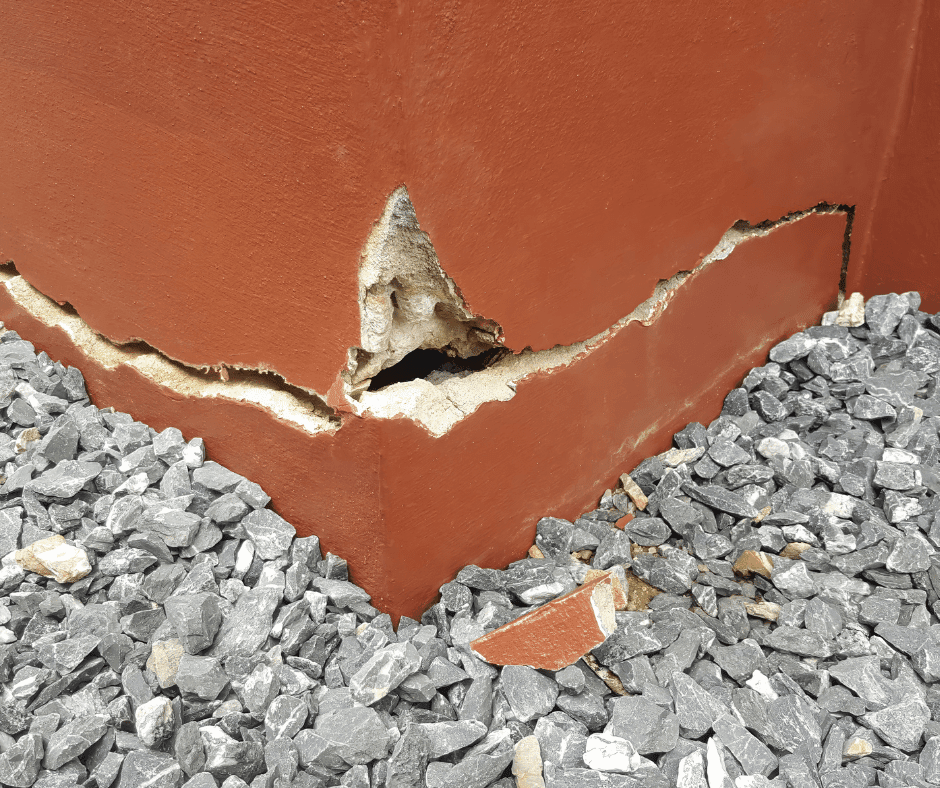
• Foundation cracks
• Window well gaps
• Pipe penetrations through concrete
• Unsealed sill plates
• Gaps behind drywall or framing
Even a gap the width of a credit card can allow significant air movement.
Sometimes the smell seems to appear “out of nowhere,” but it is actually drifting through these hidden openings.
Professional caulking and sealing services help eliminate these air leaks and restore the barrier between your basement and the outside environment.

Why Covering the Smell Never Works
Basement odors don’t disappear with sprays or dehumidifiers if sealing is the problem. Those products mask the smell for a short time but don’t stop the air exchange causing it.
When odors keep returning, it usually means the sealing has broken down and the basement is breathing unfiltered air from outdoors or the foundation cavity. Covering the smell only allows the underlying issue to grow.
The real solution is finding the source — the gaps — and closing them properly.
How RenoHeal Diagnoses Odor Problems in Basements
When homeowners call RenoHeal because their basement “smells weird,” our inspection starts with identifying air movement — not water. We check for drafts around baseboards, examine the foundation for hairline cracks, test moisture levels in the floor, and inspect the sill plates where the walls meet the foundation.
We also look behind walls or unfinished areas to find signs of air leakage. Sometimes the odor comes from a single gap behind a utility room. Other times, it’s multiple unsealed areas working together.
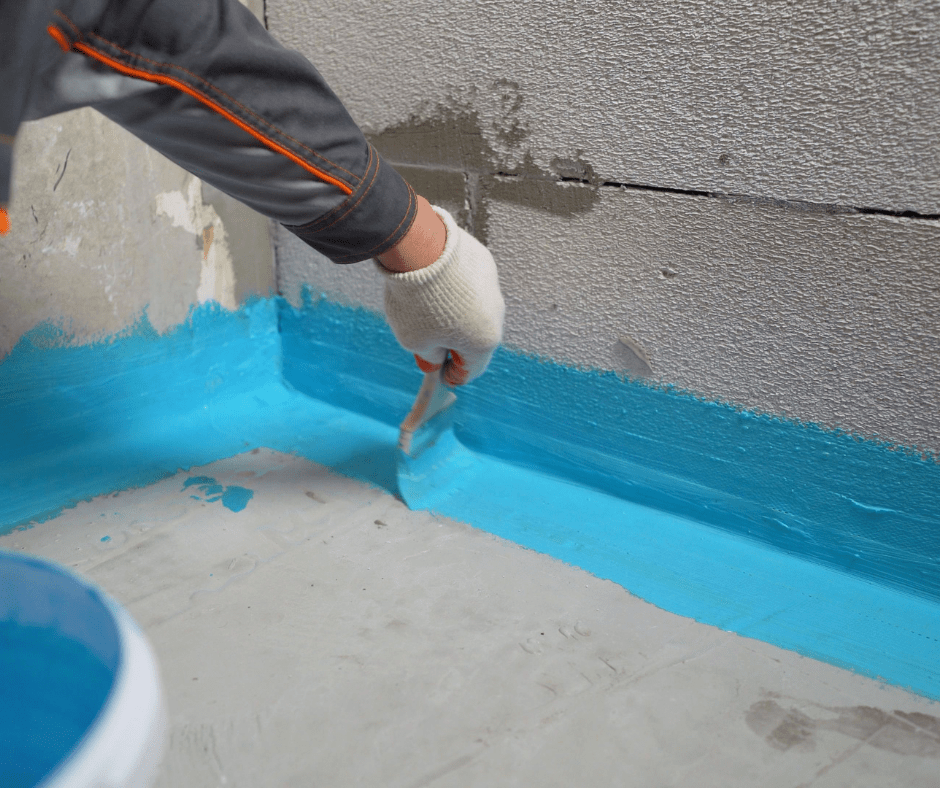
Once the air entry points are identified, sealing becomes the first priority. Using proper caulk, foam, and foundation sealant, we close the gaps permanently. This stops the odor at the source and prevents outside air from leaking in.
If moisture is also present, we address that next — whether it’s a plumbing issue, poor ventilation, condensation, or groundwater seepage. But sealing always comes first because it’s the root of odor movement.
When sealing and moisture control are done properly, the basement smell disappears — and stays gone.
What Professionals See That Homeowners Usually Miss
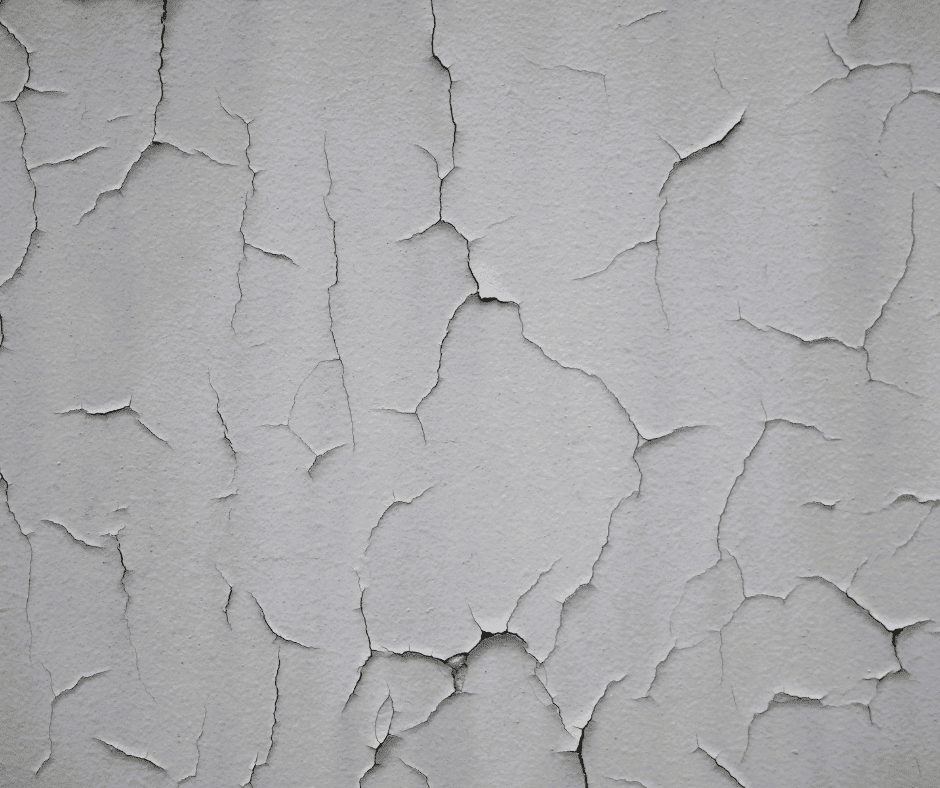
A professional can detect subtle signs of poor sealing that the average homeowner overlooks. Dust patterns on baseboards often reveal airflow directions. Soft spots in drywall can indicate hidden gaps. Even the smell itself — earthy, musty, metallic, or chemical — can reveal whether the problem is soil gases, moisture pockets, or insulation issues.
Professionals also understand building pressure. When the upper floors of a home push warm air outward, the basement pulls cool air inward. If the sealing is weak, this creates a vacuum that sucks in odors from unwanted places.
Identifying these patterns takes experience — and it’s the key to solving odor issues long-term.
How to Prevent Basement Odors from Returning
Basement odors stay away when the space remains sealed, dry, and well ventilated.
Homeowners can reduce the risk by:
• Inspecting foundation walls for cracks
• Maintaining proper ventilation
• Controlling humidity levels
• Sealing exposed concrete surfaces periodically
Seasonal awareness is also important.
If odors increase during summer humidity or after heavy rainfall, it usually indicates that sealing or waterproofing needs attention.
A properly sealed basement not only eliminates odors — it also improves energy efficiency and protects the structural integrity of the home.
If moisture has already damaged surfaces, drywall repair services may also be needed to restore basement walls safely.
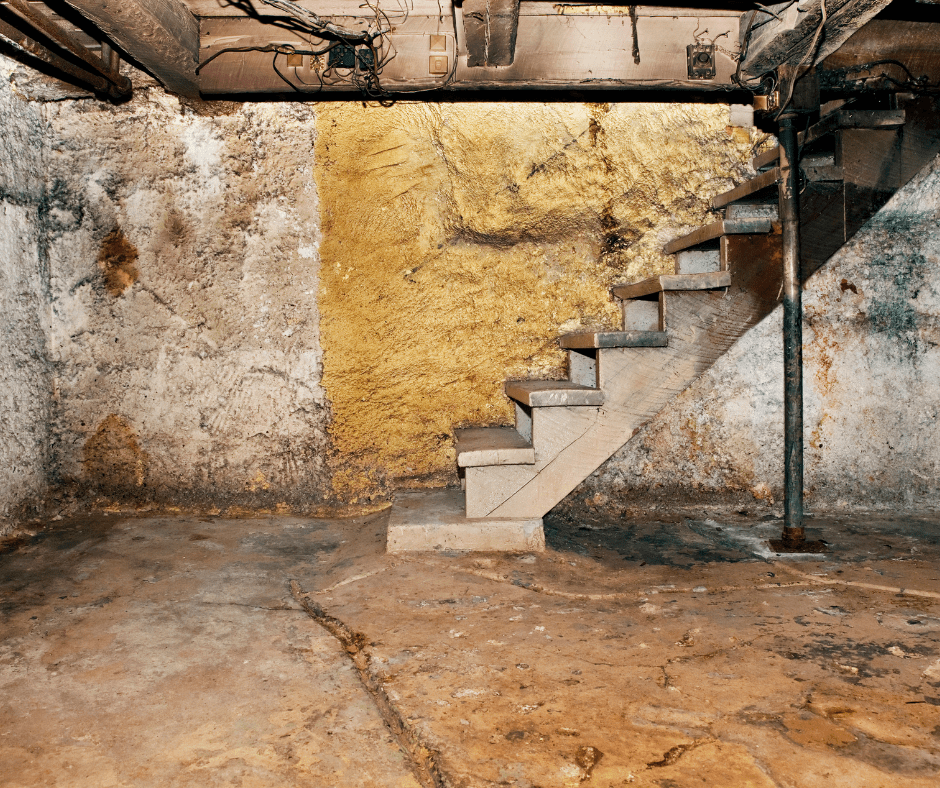
Need Basement Odor Repair in the GTA? RenoHeal Can Fix It Properly
Whether you live in Toronto, Vaughan, North York, Richmond Hill, Markham, Mississauga, Brampton, Aurora, or Newmarket, basement odors are not something to ignore. They are your home’s early warning that sealing has weakened and air is leaking in.
RenoHeal repairs basement odors by addressing the real cause — foundation gaps, concrete cracks, unsealed joints, and hidden air leaks. We also handle moisture control, plumbing inspections, drywall repair, and basement finishing to ensure your lower level stays clean, fresh, and healthy.
At RenoHeal, we take pride in delivering clean, durable, and professional home repairs that protect and improve your property.
Call 647-657-6367 or Request a Free Quote today.
Follow our renovation projects and tips on Instagram and YouTube.
RenoHeal proudly serves homeowners across the GTA including Toronto, North York, Vaughan, Richmond Hill, Markham, Aurora, Newmarket, Mississauga, and Brampton.