When a Fresh Paint Job Starts Failing Too Soon
You spent time and money painting your home — maybe even hired a contractor — and now, just a year later, you’re seeing bubbles, cracks, or peeling patches on your walls or ceiling.
It’s frustrating, it looks bad, and you’re left wondering: why is my paint peeling, and how do I stop it from happening again?
At RenoHeal, we see this problem every week in Toronto homes and condos. The good news is, paint doesn’t just peel for no reason — there’s always a cause.
And once you understand the “why,” you can fix it for good.
For reliable Handyman Services in Newmarket, check out our full range of local repair, maintenance, and home improvement solutions.
Watch: Why Paint Peels on Walls
This video explains the most common causes of peeling paint in Toronto homes and how proper wall preparation and moisture control help prevent future paint failure.
The Most Common Reasons Paint Starts Peeling
1. Moisture and Humidity
Toronto’s climate can be tough on paint — especially in bathrooms, kitchens, and basements.
When moisture gets trapped behind the paint, it pushes the coating away from the wall, causing it to blister or peel.
If you notice peeling near windows, ceilings, or corners, chances are moisture or condensation is to blame.
Pro Tip: Paint will never stick properly if the wall underneath isn’t completely dry. That’s why at RenoHeal, we always inspect for leaks or trapped humidity before applying new paint.
2. Poor Surface Preparation
Paint only sticks as well as the surface beneath it.
If the wall wasn’t cleaned, sanded, or primed properly, the new paint can’t bond to it — leading to chipping and peeling within months.
We often see this problem when previous painters skip primer or try painting directly over dust, grease, or old glossy finishes.
For durable results, our interior painting services in Toronto include full wall preparation, priming, and professional finishing.
Professional painters also rely on high-quality primers and paints available from stores like Home Depot to ensure long-lasting adhesion.
3. Painting Over Old Peeling Paint
It’s tempting to just “paint over” an old wall to freshen things up, but without removing loose layers first, the new paint will peel right off with the old one.
You’ll see flaking edges and bubbles within weeks.
RenoHeal’s process always includes scraping, sanding, and repairing the existing wall before any repainting — especially on ceilings, bathrooms, and high-moisture areas.
4. Wrong Paint Type
Not all paints are the same.
Using regular wall paint in a humid bathroom or kitchen is a recipe for peeling.
Bathrooms need moisture-resistant or mold-resistant paint designed to handle steam and cleaning.
We also see mistakes where oil-based and latex paints are mixed — latex doesn’t adhere well over oil, causing cracking and peeling later.
5. Hidden Water Damage
Sometimes peeling paint isn’t about the paint at all — it’s about what’s happening behind the wall.
Leaking pipes, roof drips, or poorly sealed caulking can allow water to seep behind drywall.
When that moisture pushes forward, paint starts to bubble and lift off the surface.
If the drywall feels soft or stained, professional drywall repair in Toronto may be required before repainting.
What Different Peeling Patterns Actually Mean
Paint Bubbling or Blistering
If the paint looks like small bubbles, moisture or heat is trapped underneath.
This often happens in bathrooms, near kitchen stoves, or around windows.
Peeling in Long Strips
That usually points to poor adhesion — either the wall was dirty, unprimed, or painted in extreme humidity.
Flaking and Cracking Like Dry Mud
That pattern is known as “alligatoring,” and it often means old oil paint was painted over with latex. It needs to be stripped and redone properly.
How to Fix Peeling Paint (the Right Way)
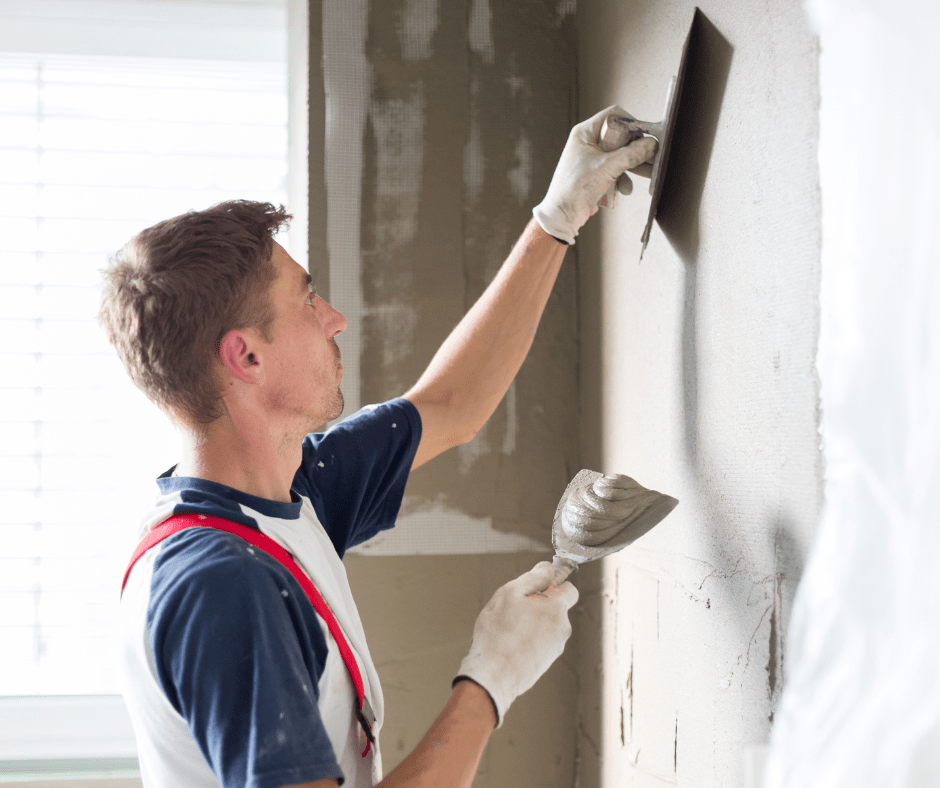
At RenoHeal, our professional painting and drywall repair team follows a proven process to make peeling walls look brand new — and stay that way.
Step 1 – Identify and Fix the Cause
We don’t just cover up the problem — we find out why it happened.
That means checking for leaks, condensation, or poor sealing around windows and bathrooms.
Step 2 – Remove All Loose Paint
Every flake and bubble has to go.
We scrape and sand until the surface is smooth and solid again.
Step 3 – Repair and Prime the Wall
If drywall is damaged, we patch and repair it before applying a high-quality primer designed to bond new paint and block moisture.
Step 4 – Use the Right Paint for the Right Area
We choose premium-grade, washable, mold-resistant paint for bathrooms and kitchens, and breathable paint for bedrooms and living rooms.
Step 5 – Apply Clean, Professional Coats
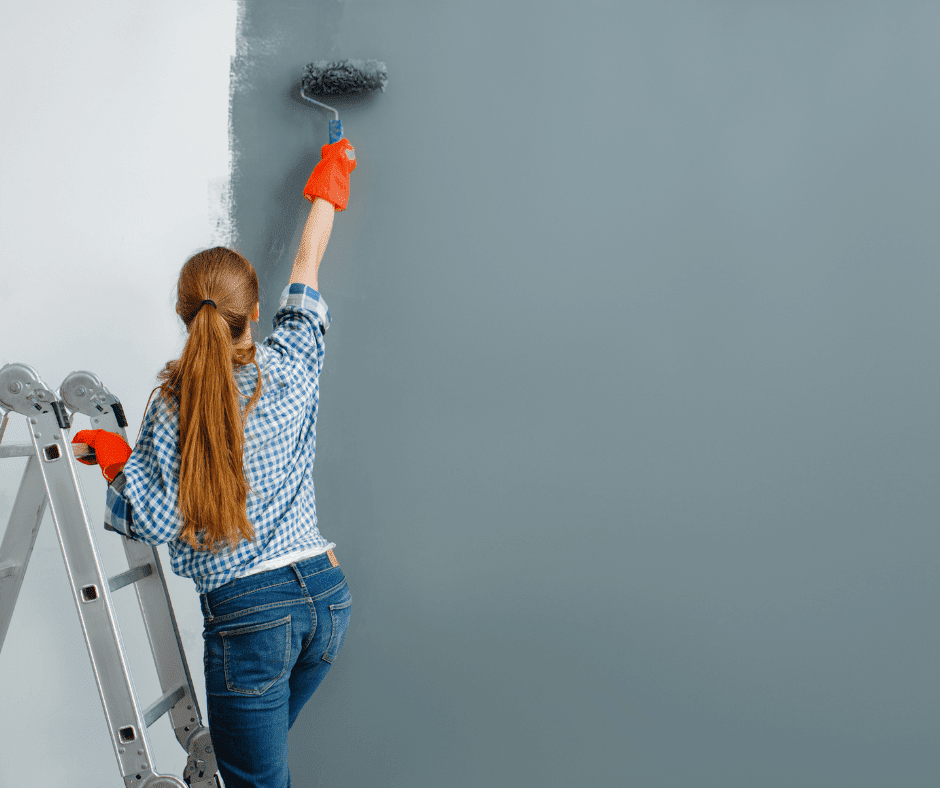
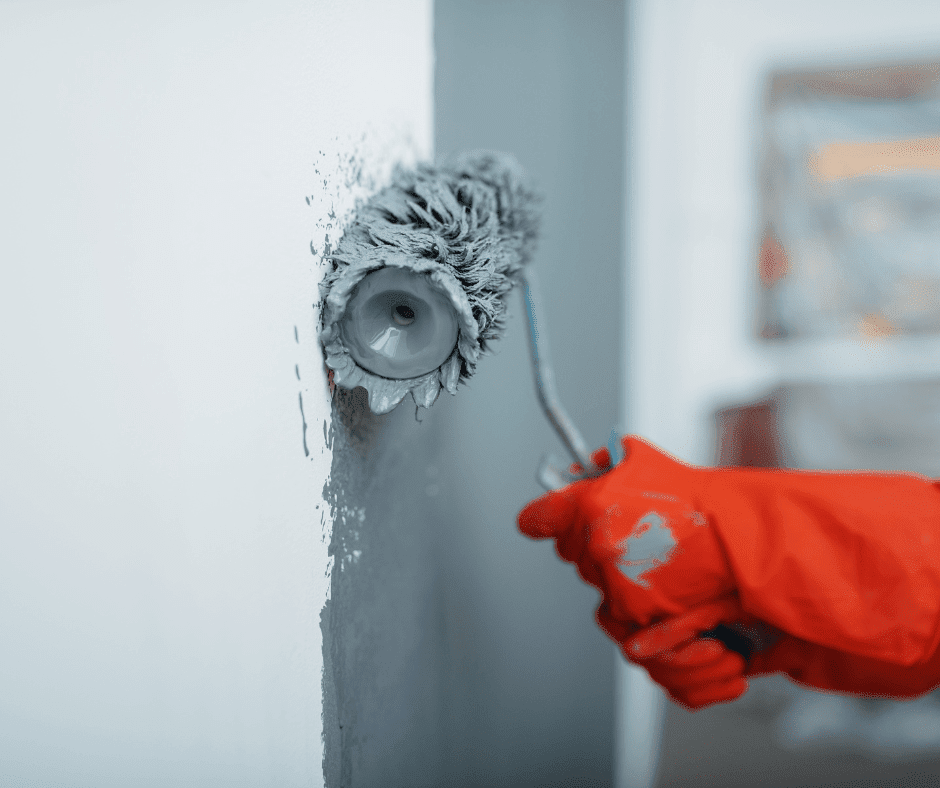
Our painters apply two smooth, even coats with full coverage and crisp edges — leaving every wall flawless and durable.
How to Prevent Peeling Paint in the Future
1. Control Moisture
Use exhaust fans in bathrooms and kitchens for at least 15 minutes after every shower or cooking session.
Wipe condensation from windows, and fix any leaks immediately.
2. Don’t Skip Prep
Before painting, always clean, sand, and prime the surface — even if it looks clean. Proper prep is 80% of a lasting paint job.
3. Choose the Right Paint
Bathrooms, basements, and laundry rooms need moisture-resistant paint. Living spaces can use breathable, high-quality latex.
4. Repaint Every 5–7 Years
Even the best paint breaks down over time. A fresh coat every few years keeps your walls protected and your home looking vibrant.
When It’s Time to Call a Professional
If your paint is peeling in multiple areas, if there’s bubbling near windows or ceilings, or if you suspect hidden water damage — don’t just repaint.
You need a professional inspection to make sure the problem is fixed at the source.
At RenoHeal, we handle everything:
- Paint removal and surface prep
- Drywall patching and sanding
- Mold and water damage repair
- Interior and exterior painting
- Caulking and sealing for moisture protection
Our professional handyman services in Toronto include wall repairs, painting, drywall restoration, and sealing to prevent moisture damage.
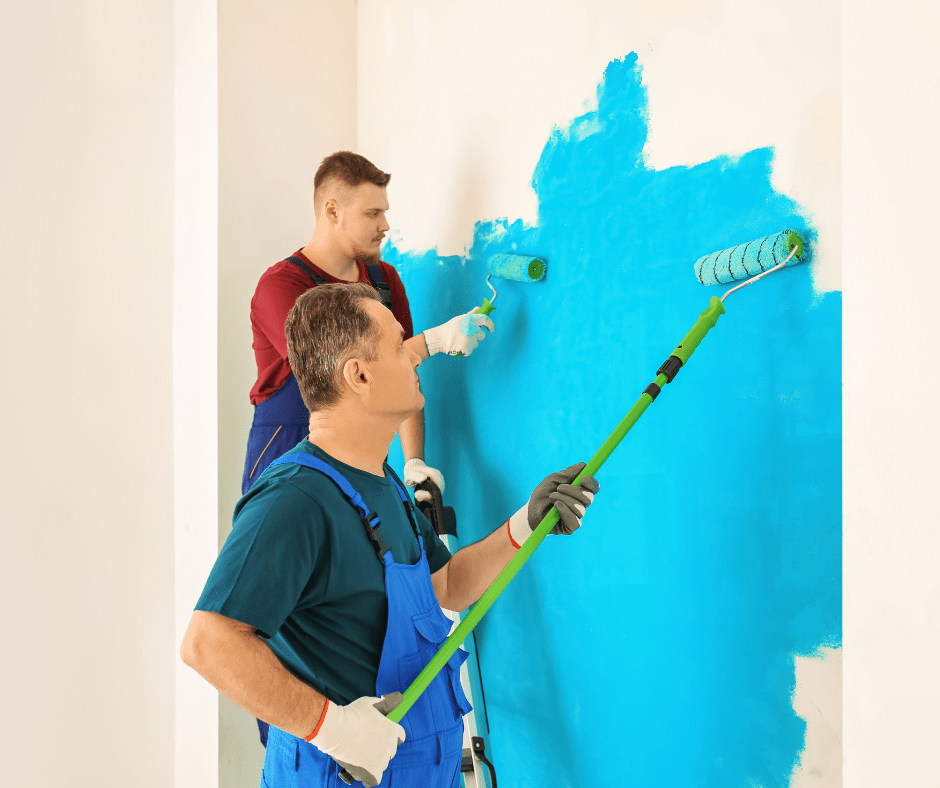
Give Your Walls a Fresh Start with RenoHeal
Peeling paint doesn’t have to mean starting over — it’s simply your home’s way of asking for attention.
Fix it once, fix it right, and your walls will look smooth, clean, and professional for years.
At RenoHeal, we take pride in delivering clean, durable, and professional home repairs that protect and improve your property.
Call 647-657-6367 or Request a Free Quote today.
Follow our renovation projects and tips on Instagram and YouTube.
RenoHeal proudly serves homeowners across the GTA including Toronto, North York, Vaughan, Richmond Hill, Markham, Aurora, Newmarket, Mississauga, and Brampton.