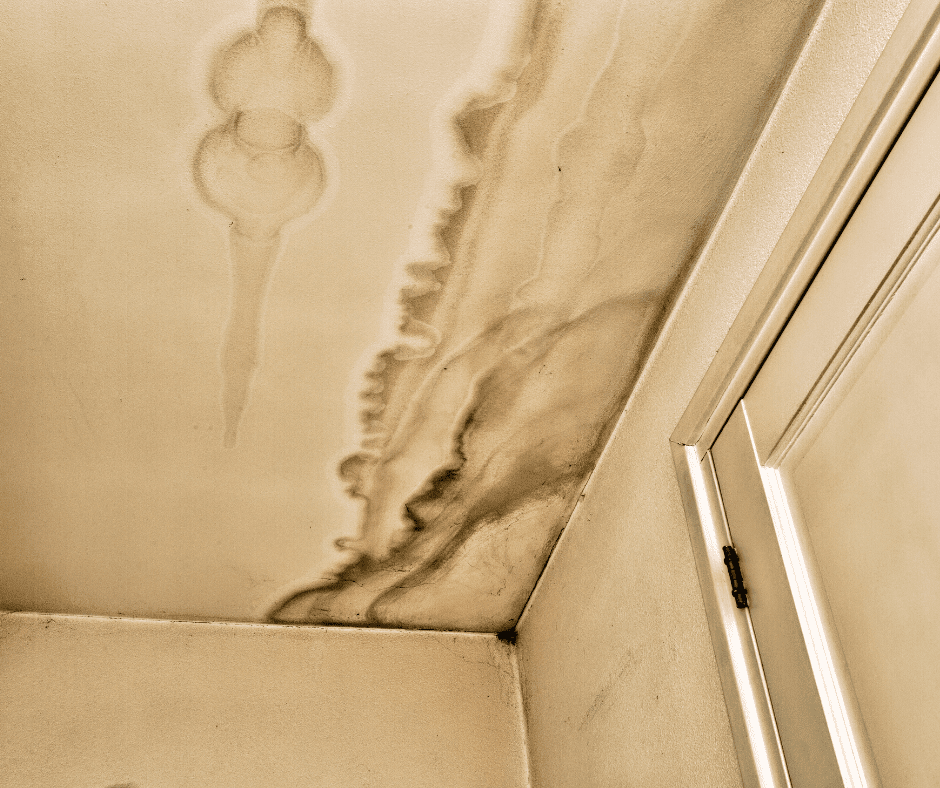
The first time a homeowner notices a ceiling stain, the reaction is usually the same. You stare at it for a few seconds, tilt your head, squint, and say, “It’s probably nothing.” Maybe it’s a faint yellow mark near a bathroom. Maybe it’s a soft shadow on the living room ceiling of your Toronto house or condo. It doesn’t look serious. It doesn’t drip. It doesn’t grow—at least not right away.
Across the GTA, from Toronto to Vaughan, North York, Richmond Hill, Mississauga, Brampton, Aurora, and Newmarket, these small stains are one of the most overlooked early warning signs of water problems. Most homeowners don’t worry until a drop of water falls on their floor or a ceiling bubble forms. But by the time that happens, the hidden damage has already spread.
What seems harmless at first can slowly turn into a bigger problem. Understanding why these stains appear—and what they mean—can save a homeowner hundreds or even thousands of dollars in repairs.
For reliable Handyman Services in Newmarket, check out our full range of local repair, maintenance, and home improvement solutions.

Watch: Why Ceiling Stains Should Never Be Ignored
This video explains why small ceiling stains are often early warning signs of hidden moisture or leaks, and why homeowners should address them before the damage spreads.
What Those “Small” Ceiling Stains Usually Mean
A ceiling stain is never just a stain. It is evidence of water travelling through materials, sitting in layers, or slowly penetrating drywall. Unlike a cracked tile or a visible pipe leak, ceiling stains form quietly. They often start above bathrooms, kitchens, laundry rooms, or around rooflines.
In Toronto homes, especially older houses in areas like East York, Etobicoke, and Scarborough, aging plumbing and older roofs allow moisture to seep in gradually. The stain you see is only the surface indicator of what’s happening underneath.
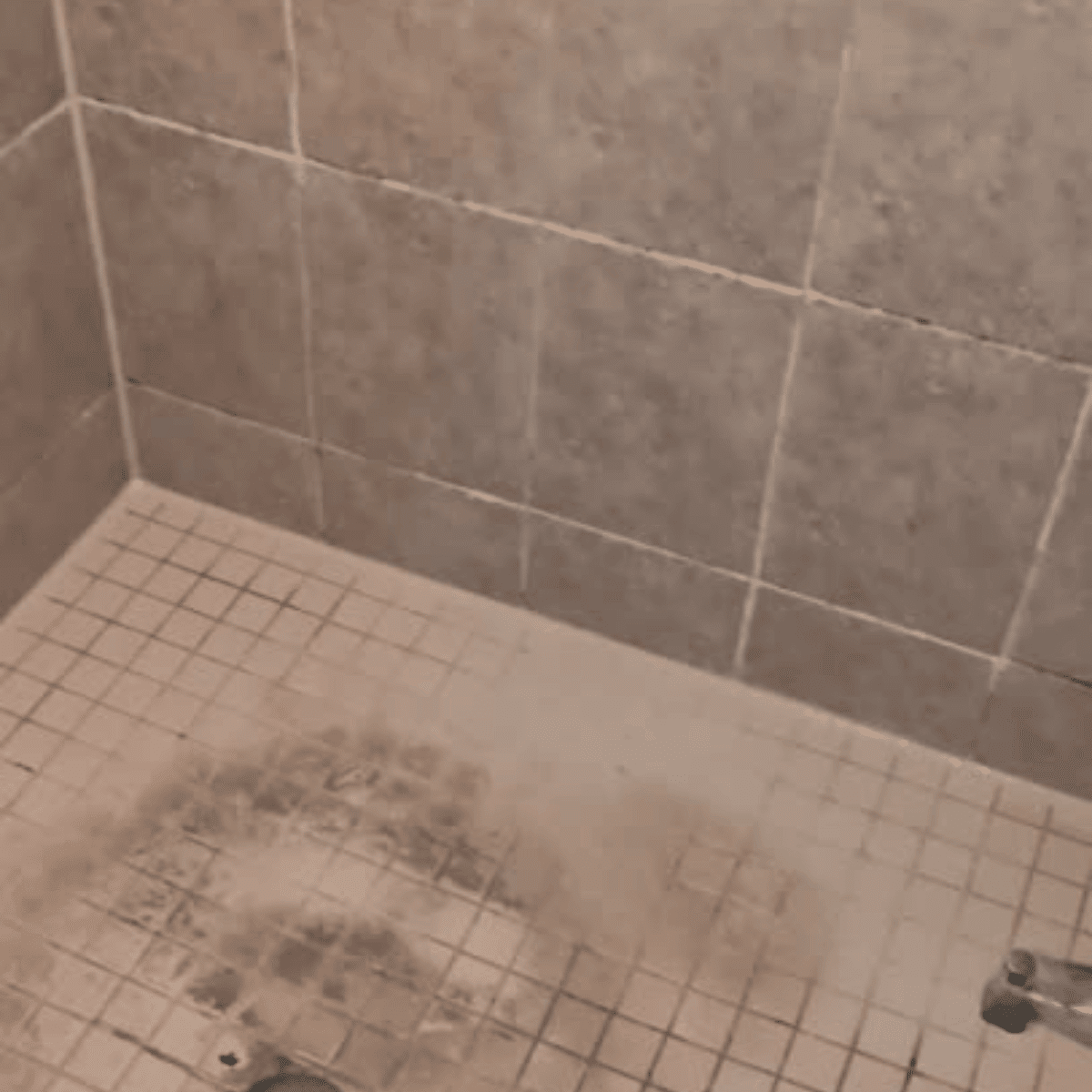
Sometimes it’s caused by a tiny gap in bathroom caulking. Other times, a loose toilet seal or a slow plumbing drip inside the wall. In condos across North York or downtown Toronto, stains can appear from the unit above you—even if your own fixtures are perfectly fine. Because water travels, the source might be several inches or even feet away from where the stain appears.
A ceiling stain means one simple thing: moisture is already inside your ceiling. The longer it sits there, the more it spreads.
For long-term protection, professional bathroom caulking service in Toronto can prevent water from slipping behind tiles and into ceilings.
Professional contractors often use durable waterproof sealants available from stores like Home Depot to ensure moisture-resistant repairs.
Because water travels, the source might be several inches or even feet away from where the stain appears.
A ceiling stain means one simple thing: moisture is already inside your ceiling. The longer it sits there, the more it spreads.
Why Ceiling Stains Get Worse Over Time
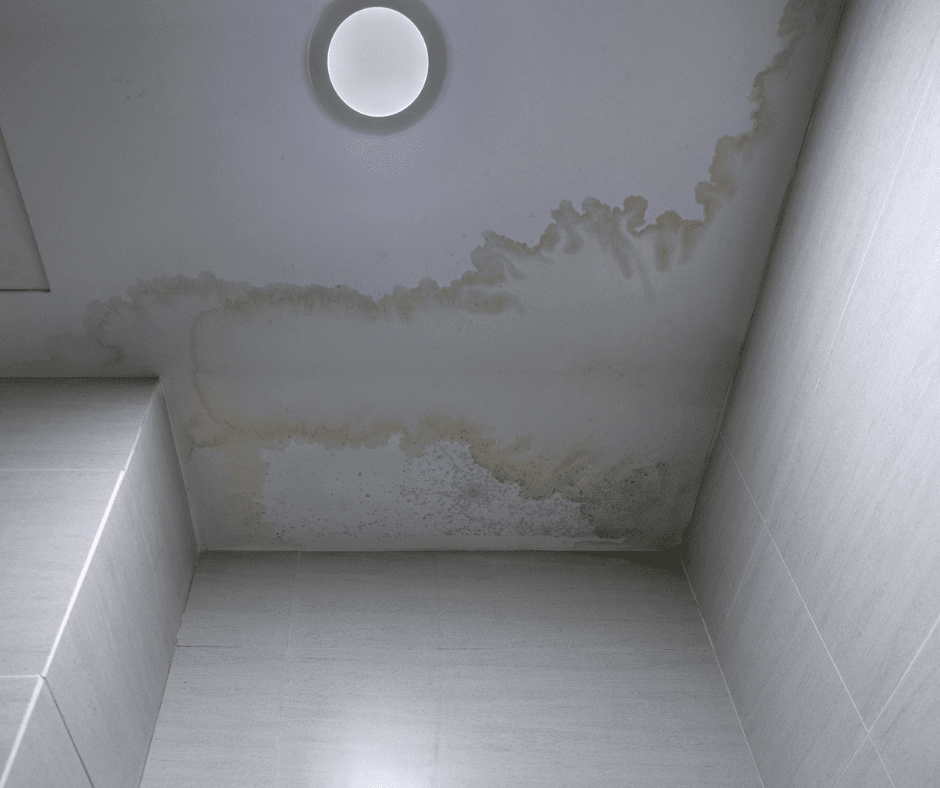
Ceilings are made of drywall, which acts like a sponge. Once moisture soaks in, it doesn’t simply dry out. Instead, it expands, weakens, and slowly softens the material. This is why a small mark can eventually turn into a bubble or sagging patch.
As the water spreads, it can reach electrical wiring, insulation, wood framing, and surrounding walls. Homeowners often believe the stain “hasn’t changed,” but the hidden layers continue absorbing moisture long after the stain first appears.
In the GTA climate, humidity makes the process even faster. Hot showers, winter condensation, and poor ventilation all make stains worse. Even a slow drip from the floor above can leave moisture pockets that take weeks to show on the surface.
What starts as a light yellow mark can eventually turn brown, grow rings, or lead to mold growth inside the ceiling. Once mold begins, the air quality inside the home changes, and the repair becomes far more complex.
Why Waiting for a Leak Is the Worst Mistake
Many homeowners wait until water drips before calling a professional. Unfortunately, a dripping ceiling means the damage has already reached a breaking point. The drywall becomes too weak to hold the moisture, and gravity forces the water down.
A leak strong enough to drip usually means there is pooling water above the ceiling. By this stage, insulation and wood framing may already be saturated. The repair can escalate from a small drywall patch to cutting out large sections, replacing insulation, treating mold, and fixing the original cause.
Addressing a stain early almost always means a simpler, cheaper repair.
How RenoHeal Diagnoses and Repairs Ceiling Stains
Homeowners often call RenoHeal when a ceiling stain begins to worry them. Our goal isn’t just to patch the surface. The first priority is always to find the source.
A proper inspection starts by examining the area above the stain—whether it’s a bathroom, laundry area, roofline, or plumbing access point. Understanding how water travels is one of the most important skills in home repairs. Water doesn’t fall straight down. It follows joists, pipes, corners, and surfaces. A stain in the living room may be caused by a shower that’s one room over.
Once the source is identified, it must be fixed before the ceiling repair begins. If it’s failed caulking, it is removed and redone professionally. If it’s plumbing, the damaged part is replaced. If it’s a roof issue, the area is sealed or repaired.
Only after the source is eliminated do we open the ceiling, remove damaged materials, dry the area, and rebuild the surface. Proper drying is essential because sealing moisture inside a ceiling creates future mold problems. Once everything is dry, patched, and sanded smoothly, the final paint match makes the ceiling look brand-new.
When ceiling damage affects drywall, our professional drywall repair in Toronto restores the surface to a smooth, seamless finish.
Homeowners across Toronto and the GTA often say the finished repair looks like nothing ever happened.
What a Professional Looks for That Homeowners Miss
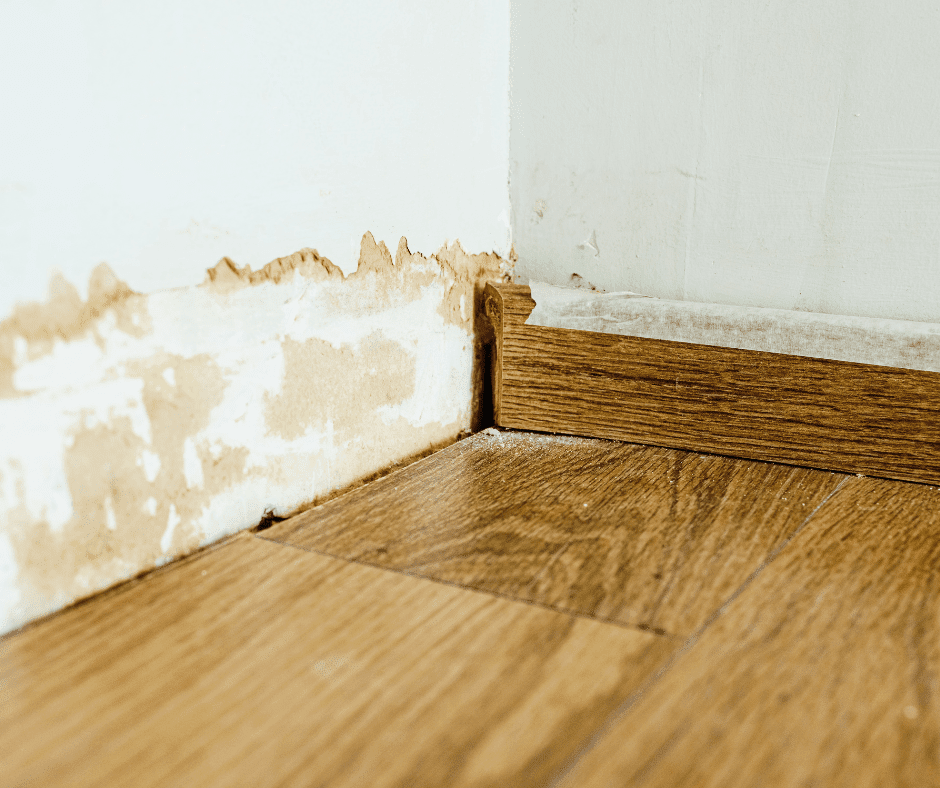
A trained eye picks up details most homeowners don’t notice. A soft spot beside the stain might show where moisture spread sideways. A slight discoloration outside the main mark can reveal hidden mold. The smell of the drywall can indicate how fresh or old the moisture is. The thickness of the paint can show whether a previous owner tried to hide an older issue.
Understanding these clues helps us stop the problem fully, not just cosmetically cover it.
How to Prevent Ceiling Stains Before They Happen
The best time to address moisture is before it becomes visible. Keeping bathroom caulking updated prevents water from slipping behind tiles. Cleaning and maintaining exhaust fans reduces humidity that accelerates staining. Checking plumbing connections under sinks, toilets, and laundry machines helps catch small drips early.
After heavy rain or snowfall, Toronto homeowners can also check for small discolorations near exterior walls. In older houses across Richmond Hill, Vaughan, and Markham, roof flashing and attic ventilation can create minor stains long before a leak ever appears.
A little attention every few months saves a lot of money in the long run.

Need Your Ceiling Stain Checked? RenoHeal Is Ready Across the GTA
A small ceiling stain may seem insignificant today, but it almost always points to water where it shouldn’t be. When caught early, the repair is simple and affordable. When ignored, it often becomes a leak that ruins drywall, insulation, and flooring.
At RenoHeal, we take pride in delivering clean, durable, and professional home repairs that protect and improve your property.
Call 647-657-6367 or Request a Free Quote today.
Follow our renovation projects and tips on Instagram and YouTube.
RenoHeal proudly serves homeowners across the GTA including Toronto, North York, Vaughan, Richmond Hill, Markham, Aurora, Newmarket, Mississauga, and Brampton.