
Basement pest damage repair in Toronto is one of those problems that snowballs if you don’t act fast. Rodents, insects, and moisture-loving pests don’t just pass through your basement—they chew, nest, and leave behind structural damage that can cost thousands to fix if ignored. An unfinished basement is especially vulnerable because insulation, vapor barriers, and wooden framing are completely exposed.
Most Toronto homeowners don’t realize how much damage accumulates before they spot a single mouse or cockroach. By the time you see droppings or hear scratching in the walls, pests have often been working for weeks or months. The good news: stopping them starts with finding how they got in, then sealing those entry points and repairing what they’ve destroyed.
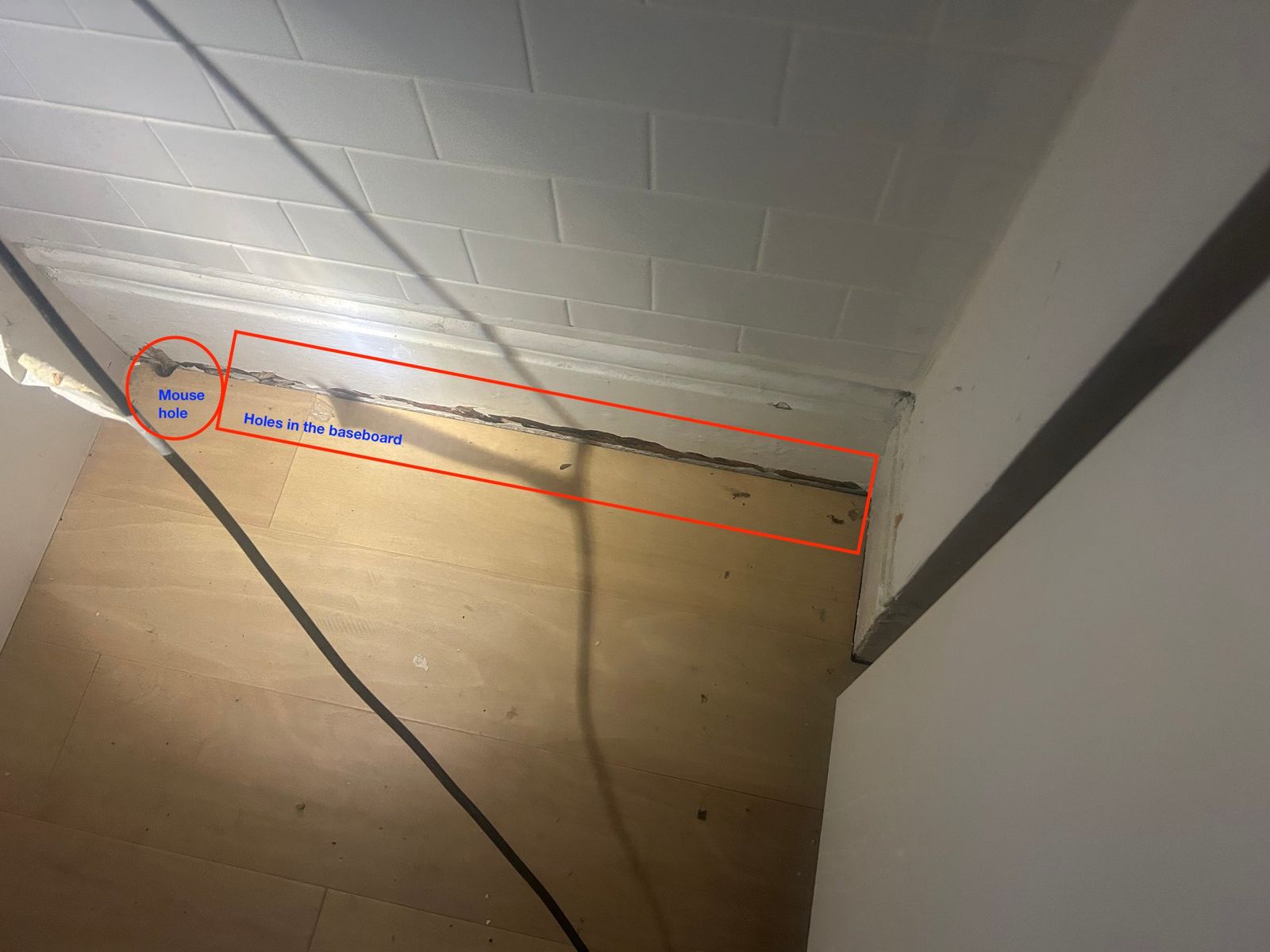
We recently completed a basement sealing and pest damage repair project in Toronto where a homeowner had to identify and seal 12 separate entry points around the exterior and interior of their house. Here’s how we approached it, and how you can too.
What Pests Actually Do to an Unfinished Basement
Unfinished basements are like all-you-can-eat buffets for pests. Unlike finished basements with drywall, insulation sits exposed, framing is visible, and wiring runs openly along joists—everything pests need to eat, nest, or destroy.
Insulation Damage
Rodents and insects shred fiberglass, cellulose, and foam insulation to build nests. This reduces your R-value, makes your basement colder, and drives up heating costs. Damaged insulation also absorbs moisture, creating mold growth and attracting more pests. Once insulation is compromised, it’s usually cheaper to replace it than try to salvage it.
Wood and Structural Framing
Termites, carpenter ants, and wood-boring beetles don’t just leave surface damage—they hollow out joists, sills, and rim board from the inside. This weakens structural integrity and can eventually affect your home’s stability. In Toronto’s damp climate, wood damage accelerates because moisture is already a basement challenge. You may not notice the damage until a professional inspects it.
Vapor Barrier Degradation
Your basement’s vapor barrier—usually polyethylene sheeting laid over the concrete floor—gets punctured, chewed, and torn by pests moving across the basement. Once it’s compromised, ground moisture rises freely, increasing humidity and encouraging mold and more pest activity. Rodents use tears in the barrier as highways between the soil and your home.
Wiring and Electrical Hazards
Rodents chew through electrical wiring, which can expose live conductors and create fire hazards. Damaged wiring also forces you to call an electrician for repairs—an expensive add-on after pest damage is already discovered. Never ignore chewed wires; this is a safety issue that needs immediate attention.
How to Find Every Entry Point (Before You Seal Anything)
You can’t seal entry points effectively if you don’t find them all. Most homeowners spot one or two obvious gaps and stop looking, only to discover pests are still getting in through hidden cracks elsewhere. A thorough inspection is the foundation of any successful sealing project.
Systematic Inspection Checklist
Start outside and work your way around the perimeter of your home, then move inside. Look for any opening larger than a dime—rodents can squeeze through surprisingly small spaces. Use a flashlight and get low to the ground where gaps are often hardest to spot.
- Foundation cracks and gaps: Inspect the concrete rim board where it meets the sill plate. Cracks in concrete are common entry points.
- Utility penetrations: Where pipes, wires, and HVAC ducts enter your basement through exterior walls or the foundation. These are rarely sealed tightly.
- Sump pump and drain lines: Openings around sump pump discharge pipes and footing drain entry points are highways for pests.
- Basement windows and window wells: Check seals around old basement windows and the gaps between frames and frames and foundation walls.
- Doors and thresholds: Basement doors often have gaps underneath and around the frame, especially older homes.
- Soffit and fascia vents: These are designed to let air in but often lack screens or have damaged screening.
The 12-Spot Real-World Example
In the Toronto basement sealing project we recently completed, the pest removal company identified 12 distinct entry points. This is actually typical for older homes in the GTA. Here’s what we found and sealed:
| Location | Type of Gap | Seal Method |
|---|---|---|
| Rim board (exterior side, north wall) | 1/4-inch gap where sill plate meets foundation | Expanding foam + caulk |
| Water main entry point | Gap around pipe penetration | Spray foam + silicone seal |
| Electrical service entrance | Multiple small gaps around conduit | Expanding foam + mesh patch |
| Basement window (west side) | Cracked caulk, frame separation from wall | Remove old caulk, re-caulk |
| Basement window well (west side) | Rusted frame, gaps at base | New seal, window well cover |
| Sump pump discharge line | Loose fitting at foundation exit | Tighten, seal with expanding foam |
| HVAC return ductwork penetration | 1/2-inch gap where duct enters rim | Spray foam + duct tape seal |
| Gas line entry | Oversized hole, gap around pipe | Expanding foam only (no caulk near gas lines) |
| Basement stairs to main floor | Cracks in stringer, gaps at rim joist | Spray foam + caulk |
| Cold air return (foundation wall) | Screen missing, edges unsealed | Install new screen, add frame seal |
| Weeping tile exit (exterior) | Open discharge at grade | Extend pipe, add screen cap |
| Crawl space / rim board (southwest corner) | Multiple small cracks in concrete, gaps in rim | Expanding foam + cement patch |
Finding all 12 points took patience and a systematic approach, but missing even one would have defeated the purpose. After sealing was complete, the homeowner also had their pest removal company do a final inspection to confirm entry points were actually blocked.
If you’re dealing with a similar situation in Toronto, North York, Scarborough, or elsewhere in the GTA, the same method applies: inspect thoroughly, document every gap, then seal them properly. Our team has completed similar basement sealing projects across the Greater Toronto Area and can help identify and fix entry points you might miss. Get a free estimate for your basement pest damage repair—we’ll inspect and give you a detailed breakdown of what needs sealing and repair.

Basement Pest Damage Repair in Toronto: The Sealing Process Step by Step
Once a pest removal company identifies entry points—like the 12 spots found in that Toronto basement—sealing them properly stops re-infestation and prevents moisture from following the same routes. The process isn’t just caulk-and-go; it requires the right materials for each location.
Materials That Actually Work
- Polyurethane caulk: Best for concrete cracks and foundation seams. It stays flexible as your basement settles and expands with temperature changes—critical in Ontario winters.
- Silicone caulk: For areas that flex or move; resists moisture better than acrylic.
- Spray foam: For larger gaps (more than ¼ inch). Expand-able foam fills irregular openings rodents and insects use.
- Metal mesh or hardware cloth: For vents and larger openings; pests can chew through caulk alone.
- Concrete patching compound: For bigger cracks or spalling where pests have widened entry holes.
Sealing Sequence: Exterior First, Then Interior
Start outside. Exterior entry points (foundation cracks, gaps around rim joists, damaged mortar) are your first line of defense. Seal these before pests return from outdoors. In a Toronto unfinished basement, you’ll typically address foundation cracks, gaps where utilities enter, and damaged weeping tile areas.
Then move inside. Interior sealing stops pests already in the house and prevents air leaks that cost you heating dollars. Seal around pipe penetrations, electrical conduit, HVAC ducts, and any visible gaps in rim joists or band boards. Use a caulk gun for precision and even pressure—rushed application leaves weak spots.
Our handyman team inspects both sides of each location to confirm entry points are fully blocked. A single missed gap can undo the entire job.
Repairing What Pests Left Behind
Sealing entry points stops future invasions, but you’re left with structural and material damage that needs fixing. In unfinished basements across Toronto and the GTA, pests typically damage wood framing, insulation, and vapour barriers.
Wood Rot and Framing Damage
Rodents and carpenter ants/beetles don’t just pass through—they nest and tunnel. Wood rot develops when damaged areas stay damp or when pest activity has already compromised the wood’s integrity. Any soft, crumbly, or discolored wood in rim joists, band boards, or floor joists needs replacement. Partial rot can sometimes be stabilized with wood hardener, but structural members require full replacement. This is non-negotiable for safety and resale value in Ontario.
Insulation and Vapour Barrier Replacement
Pests nest in insulation and contaminate it with droppings—you’ll need to remove and replace it. At the same time, inspect your vapour barrier (the plastic sheet that controls moisture). Holes, tears, and pest damage compromise its ability to prevent moisture from rising into your living spaces above, leading to mold and rot. Replace damaged sections with 6-mil polyethylene sheeting, properly sealed and overlapped at seams.
If you’re uncertain about the extent of damage, request a free estimate from RenoHeal. We’ll assess structural integrity and recommend whether repair or full replacement makes sense for your basement.
Basement Pest Damage Repair Cost Guide in Toronto
Basement pest damage repair costs in Toronto vary widely depending on the scope of work and materials involved. If a pest control company has flagged 12 entry points like in a typical remediation job, you’re looking at both sealing and repair costs. Here’s a realistic breakdown for an unfinished basement:
| Repair Type | Cost Range (CAD) | Notes |
|---|---|---|
| Caulking & sealing (per entry point) | $50–$150 | Interior/exterior cracks, gaps around pipes, foundation gaps |
| Wood damage repair (per area) | $200–$800 | Depends on damage extent; rot removal and patching |
| Insulation replacement (per sq ft) | $2–$6 | Contaminated batts or spray foam removal and re-install |
| Drywall patch or replacement | $150–$500 | Small holes to larger sections; includes finishing |
| Full basement sealing project (12 points) | $1,200–$3,500 | Comprehensive approach with sealing, minor repairs |
In Toronto and nearby areas like North York and Scarborough, labor typically runs $60–$85 per hour. A complete pest damage repair—sealing all 12 spots plus fixing chewed wood or contaminated insulation—usually takes 16–30 hours depending on accessibility and damage severity. Get a free estimate from RenoHeal to understand your exact scope and costs; we’ve completed over 3,500 projects and can spot hidden damage a homeowner might miss.
DIY vs Hiring a Professional for Pest Damage Repairs
Some basement repairs look simple until you’re halfway through. Sealing small gaps with caulk is manageable DIY work, but pest damage remediation often involves more than surface fixes. Here’s what you can realistically handle yourself and when you need professional help:
What You Can DIY
- Caulking minor cracks — Clean out debris, apply silicone or acrylic caulk, smooth with a wet finger. Cost: $15–$30 per tube.
- Painting over sealed areas — Once caulk is dry and cured, a fresh coat of basement paint makes repairs invisible.
- Visual inspection — Walk your foundation perimeter and note obvious gaps, cracks, or entry holes. Share photos with a professional to verify next steps.
What Requires a Professional
- Wood rot assessment and repair — Determining if rot is surface-level or structural requires experience. Improper repair can worsen the problem or create new entry points.
- Contaminated insulation removal — If pests have nested in fiberglass batts or spray foam, improper removal can spread contamination or trigger allergies. Professional handyman services safely isolate and replace affected sections.
- Multiple entry points — Sealing 12 spots correctly means understanding pest behavior. Missed or poorly sealed points invite re-infestation. A pro ensures comprehensive protection.
- Liability and warranty — If your repair fails and pests return, you’re liable. RenoHeal offers warranty on eligible services and carries $5M liability insurance, protecting your investment.
The real risk of DIY pest damage repair isn’t the cost—it’s incomplete work leading to re-infestation, which costs far more to remedy. In Etobicoke, Markham, and throughout the GTA, homeowners often spend $800–$1,500 fixing inadequate repairs done months earlier. Request a free quote to compare DIY effort against professional peace of mind.
Common Mistakes Homeowners Make After Pest Removal
After a pest removal company clears your basement, the real work begins—and most homeowners rush it. The biggest mistake is sealing entry points before the pest control treatment has fully taken effect. Rodents and insects can still be present in wall voids or insulation for days; sealing them inside actually traps them and creates a worse problem.
Another costly error is using the wrong materials. Caulk alone won’t stop rodents—they chew through it. Steel wool, expanding foam, and hardware cloth work better, but many homeowners grab whatever’s on the shelf at Home Depot without understanding what each material does.
Many also focus only on interior patches and forget the exterior foundation. Pests don’t care about your basement walls if they can still enter through gaps in your foundation, siding, or soffit. You need to seal both sides to actually stop re-entry.
Finally, homeowners skip follow-up inspections. Settling, weather, and new gnaw marks appear months later. A professional handyman service in Toronto can create a sealing plan that addresses all 12 common entry points—not just the obvious ones—and monitor for new damage.
Frequently Asked Questions
How many entry points does a typical Toronto basement have that need sealing after a pest inspection?
Most Toronto homes we work in have between 8 and 20 identifiable entry points once a pest inspector has flagged them — including pipe penetrations, foundation cracks, sill plate gaps, window frame voids, and dryer vent openings. Older brick homes in neighbourhoods like The Beaches or East York tend to run on the higher end due to decades of settling and mortar deterioration. A thorough walk-around with a flashlight and a pest report in hand usually reveals more gaps than homeowners expect.
Can I seal pest entry points myself or do I need a contractor?
You can handle small, accessible gaps yourself if you’re comfortable using caulk and expanding foam — basic pipe penetrations or a minor crack along a window frame are reasonable DIY jobs. But anything involving structural material like rotted sill plates, crumbled mortar, damaged subfloor, or compromised drywall really needs a contractor to do it properly and safely. Improper sealing can trap moisture, create new problems, or simply fail within a season — pests will find the same spot again.
What materials are used to seal pest entry points in a basement — caulk, foam, steel wool?
The right material depends on the gap size and location. Steel wool or copper mesh is packed into larger voids first because rodents can’t chew through it, then covered with hydraulic cement or a masonry patching compound for foundation cracks. Smaller gaps around pipes get filled with fire-rated expanding foam (not standard foam — rodents chew right through it), and finished with paintable polyurethane caulk. Window frames and sill plates that have softened from moisture often need wood filler, epoxy consolidant, or outright replacement before any sealant will hold.
How much does basement pest damage repair cost in Toronto?
For sealing entry points alone — patching cracks, foaming pipe gaps, caulking window frames — most Toronto jobs run between $300 and $900 CAD depending on how many access points need attention. When structural damage is involved, like replacing rotted sill plates, patching drywall that mice nested behind, or repairing chewed subfloor sections, costs typically land between $800 and $3,500 CAD. Large-scale damage with significant framing or insulation replacement can exceed $5,000 CAD — we provide free estimates so you know the exact scope before any work starts.
Do I need to repair the basement before or after the pest removal company finishes?
Always after — seal the basement only once the pest control company confirms the infestation has been fully treated and cleared. If you seal entry points while pests are still active inside, you can trap animals in the walls where they’ll die, cause odour problems, and potentially create new damage trying to escape. The correct sequence is: pest inspection → treatment and clearance → repair and seal. Some pest companies will also re-inspect after repairs to confirm nothing was missed.
Will my home insurance cover pest damage repairs in Ontario?
In most cases, no — standard Ontario home insurance policies treat pest damage as a maintenance issue and exclude it from coverage. Insurers expect homeowners to prevent infestations through regular upkeep, so damage from mice, rats, carpenter ants, or other pests is typically considered a preventable problem. There are narrow exceptions (some policies cover sudden and accidental damage caused indirectly by pests), so it’s worth calling your broker to review your specific policy wording before assuming either way.
Basement Pest Damage Repair in Toronto: Stop the Entry, Fix the Damage, Move On
Pest damage in a Toronto basement compounds quickly — what starts as a few gnawed gaps in the sill plate or a crack along the foundation becomes a moisture problem, a mould risk, and a structural concern within a season or two. The repair window that matters most is right after pest control clears the infestation, and that’s exactly when it pays to move fast with the right materials and the right approach.
Getting the sealing and repair done properly the first time — correct materials, correct sequence, no shortcuts on structural components — is what prevents the same pests from returning through the same entry points next winter. It’s also what protects your insulation, your drywall, and your home’s air quality for the long term.
RenoHeal’s technicians have handled basement pest damage repair across Toronto and the GTA for over 7 years, working alongside pest inspection reports to seal, patch, and restore what infestations leave behind. Request a free quote today and find out exactly what your basement needs — or learn more about our full range of general home repair services to see how we can help.