
Ceiling painting in Toronto cost varies widely depending on room size, condition, and prep work needed—typically ranging from $300 to $2,500+ per room. Many homeowners assume it’s a quick paint-and-go job, then run into problems when existing damage, poor previous work, or paint mismatches surface partway through. Understanding what professional ceiling painters actually do—and why DIY often creates more headaches than savings—helps you budget accurately and avoid costly do-overs.
At RenoHeal, we’ve completed over 3,500 projects across Toronto, North York, Scarborough, and surrounding GTA areas. We’ve seen firsthand how skipped prep work, wrong primer choices, and rushed application create the spotty, mismatched finishes that frustrate homeowners. This guide breaks down the real work involved in ceiling painting, the actual costs you’ll face, and why professional prep and execution matter.
What Ceiling Painting in Toronto Actually Involves
Ceiling painting isn’t just rolling paint overhead. It requires inspection, repair, surface prep, priming, and careful application—each step affects the final look and durability.
Damage Assessment and Repair
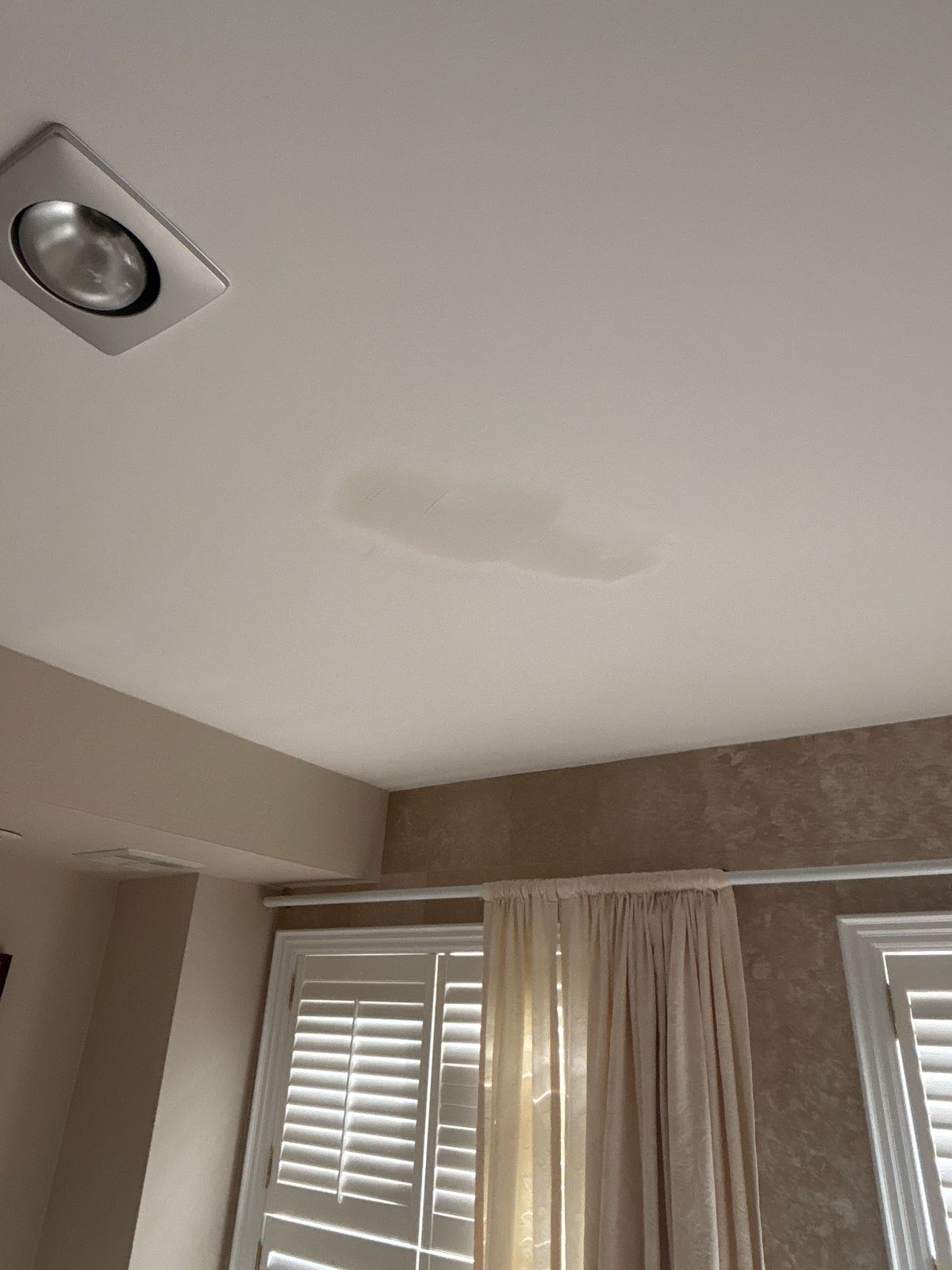
The first step is identifying what needs fixing before any paint touches the surface. Water stains, cracks, nail holes, drywall damage, and previous patch jobs all need attention. If these aren’t repaired properly, new paint won’t hide them—it’ll actually make them more visible under ceiling light.
- Water stains require blocking primer to prevent bleed-through
- Cracks and gaps need spackling or joint compound, sanded smooth
- Nail holes and small dings must be filled and feathered flush
- Mold or moisture issues must be resolved before painting (or mold returns fast)
Surface Preparation
This is where most DIY jobs fail. Ceilings collect dust, cobwebs, and loose paint flakes that need removal before prep work begins. The entire surface must be cleaned, any loose or peeling paint scraped off, and sanded smooth.
In older Toronto homes, textured ceilings (popcorn finish) may contain asbestos if installed before the 1980s. Professional painters know how to handle this safely or recommend proper testing and removal.
Priming
A primer coat is essential on ceilings, especially over repairs, stains, or color changes. Cheap or skipped primer leads to uneven coverage, visible touch-ups, and poor paint adhesion. Water-stain blocking primer prevents stains from bleeding through new paint.
Paint Application
Ceiling paint is thicker and tackier than wall paint—it sticks better but requires the right technique. Professional painters use extension poles, proper roller nap size, and work in overlapping sections to avoid lap marks and streaks. Two coats are standard for even coverage and color matching.
This is why paint-color mismatch happens on DIY jobs: inconsistent application, inadequate primer, or using leftover paint from different batches. Professional crews use fresh, color-matched paint applied with consistent technique, ensuring seamless results across the entire ceiling.
Ceiling Painting Toronto Cost: A Room-by-Room Price Breakdown
Ceiling painting Toronto cost depends on room size, ceiling condition, height, and prep scope. Below are realistic CAD pricing ranges for common scenarios in the GTA, based on professional work with materials included.
| Room Type | Typical Size | Good Condition | Fair Condition (Minor Repairs) | Poor Condition (Major Repairs) |
|---|---|---|---|---|
| Bedroom | 12×14 ft (168 sq ft) | $400–$600 | $600–$900 | $900–$1,400 |
| Master Bedroom Ensuite | 8×10 ft (80 sq ft) | $250–$400 | $400–$650 | $650–$1,000 |
| Kitchen | 12×16 ft (192 sq ft) | $500–$750 | $750–$1,200 | $1,200–$1,800 |
| Living Room | 16×20 ft (320 sq ft) | $700–$1,000 | $1,000–$1,600 | $1,600–$2,400 |
| Laundry Room | 8×10 ft (80 sq ft) | $250–$400 | $400–$650 | $650–$1,000 |
| Basement Rec Room | 20×24 ft (480 sq ft) | $800–$1,200 | $1,200–$1,800 | $1,800–$2,800 |
What Affects Your Actual Cost
Ceiling Height: Standard 8–9 ft ceilings are baseline. Vaulted or 10+ ft ceilings add 15–30% to labor due to scaffolding and equipment needs.
Prep Work Scope: Minor spot repairs (a few nail holes, light stains) fit in the “good condition” estimate. If previous paint is peeling, water damage is visible, or multiple patches are needed, you’re in “fair” or “poor” territory.
Color Change: Painting from dark to light (or vice versa) requires extra primer and often a second topcoat, adding $100–$300 per room. Matching an existing color or refreshing with the same shade is faster and cheaper.
Texture Removal: If you want to remove a popcorn or textured ceiling, expect $400–$800 extra per room (after asbestos testing if applicable). This is a separate job that should happen before painting.
Paint Quality: Professional-grade ceiling paint ($50–$80 per gallon) provides better coverage and durability than budget homeowner paint. This is reflected in material costs but saves money long-term through fewer touch-ups and repaints.
Why Toronto and GTA Pricing Varies
Labor rates differ slightly across the region. North York and downtown Toronto tend to run 10–15% higher than Markham, Vaughan, or Brampton due to travel time and local demand. High-rise condos in Toronto may also require specific insurance or building approvals, adding $200–$500 to the project.
Get a free estimate for your specific ceiling project. We assess condition on-site and provide transparent, itemized quotes—no surprises.
Why Repair Prep Comes Before the First Drop of Paint
A ceiling that looks rough or discoloured can ruin an entire room’s appearance. But painting over damage without fixing it first guarantees a bad result—and wasted money. Prep work is where ceiling painting either succeeds or fails.
Before any paint touches your ceiling, nail holes, water stains, and cracks need attention. Nail holes from old fixtures or artwork leave visible depressions that catch light and show through fresh paint. Water stains—whether from old roof leaks or bathroom moisture—bleed through even premium paint if you skip the stain blocker. Cracks signal settling, moisture movement, or poor drywall tape installation underneath. Ignoring them means they’ll expand again in a few months.
Texture matching matters too. Many Toronto homes have popcorn, orange peel, or smooth knockdown ceilings. If your ceiling has existing texture and you paint over it flat, the repair area will look obvious—even if the paint colour is perfect. The texture needs to be either matched exactly during prep or the entire ceiling needs resurfacing.
Our team inspects ceilings for damage first, then uses spackling compound, joint compound, primer, and texture application as needed. This prep phase takes time but prevents that patchy, unfinished look that makes new paint obvious. When repair work is done right, the new paint blends seamlessly.
The Colour Matching Problem Most Homeowners Don’t See Coming
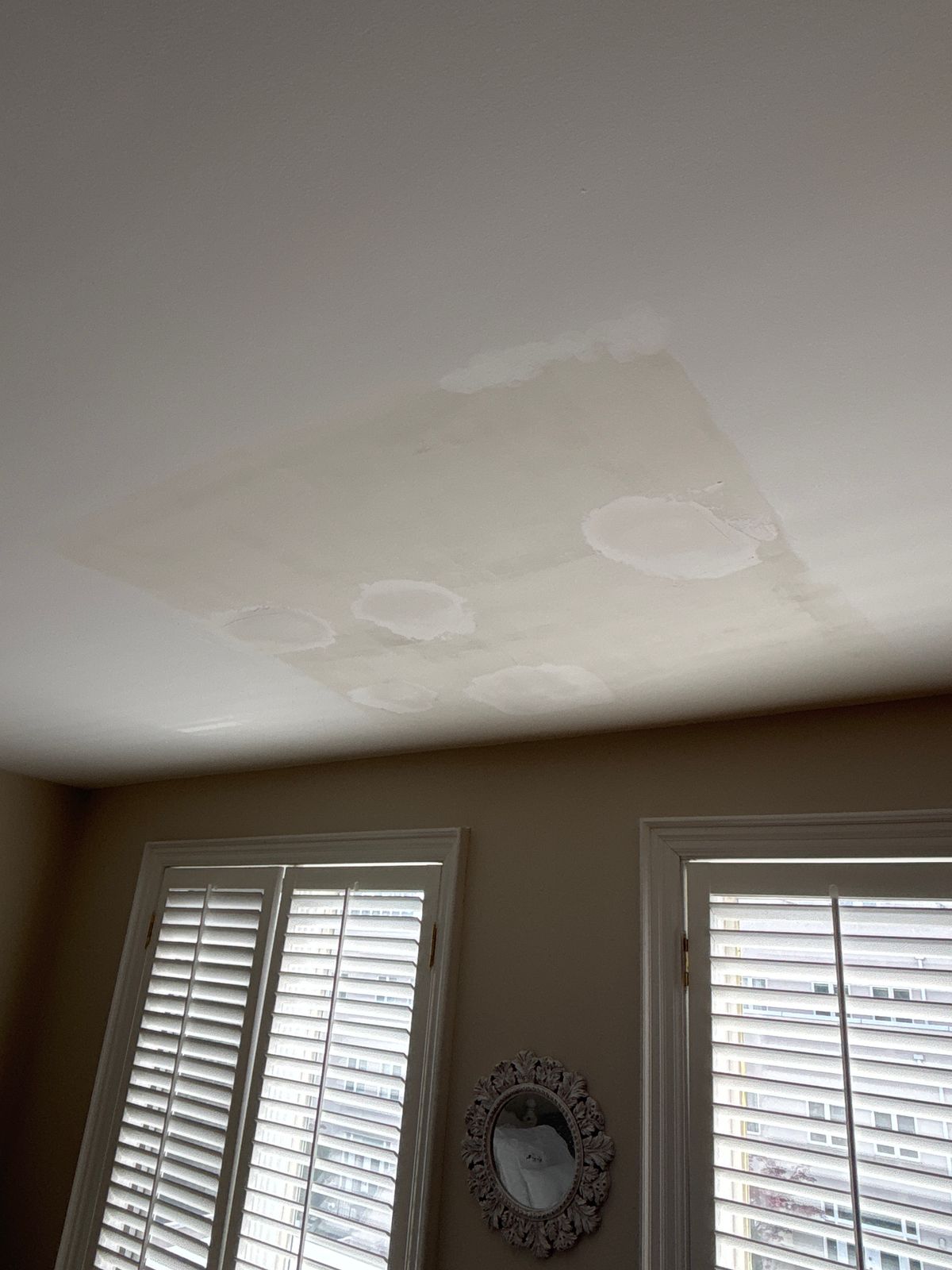
Paint doesn’t stay the same colour forever. Light exposure, dust, and age all shift how existing ceiling paint looks. When you spot-paint only the repaired areas, the new paint—even if you use the exact same colour code—will look obviously different from the old paint. This is the most common complaint after ceiling painting jobs.
The culprit is usually sheen difference. Flat paint (which ceilings typically use) comes in slight variations between brands and even between batches. A patch job using fresh paint and a different sheen or brand will stand out immediately. Water stains, smoke, or dust on the old paint also make colour matching harder because you’re not comparing true colours.
True colour matching requires either sampling or committing to a full ceiling repaint. If your ceiling was painted 5+ years ago and shows age or yellowing, repainting the entire ceiling is the only way to get uniform colour. This is especially important in spaces like master bedrooms or ens uites where imperfect paint work is noticeable. In smaller areas like laundry rooms or closets, a careful spot repaint with primer and proper sheen selection may work—but success depends on how old the original paint is.
Our painters in Toronto and across the GTA always ask: “Is this a spot fix or a full repaint?” and honestly tell you which option will actually look good. Cutting corners on this decision leaves you frustrated, which is why we offer free estimates where we assess the ceiling’s condition and recommend the right approach.
DIY vs. Hiring a Professional for Ceiling Painting
Painting a ceiling looks straightforward until you’re halfway up a ladder holding a roller in one hand and trying not to drip paint on your face. The hidden costs of a DIY ceiling job often exceed the cost of hiring a professional.
Time investment is brutal. A professional crew tackles a 12×14 bedroom ceiling in 2–4 hours, including prep. As a homeowner, expect 8–16 hours spread over multiple days—plus drying time between coats. You’re also buying or renting equipment: extension poles, roller frames, drop cloths, painter’s tape, and proper lighting to see what you’re actually doing.
Physical risk is real. Ceiling painting requires overhead work on a ladder or scaffold, often in uncomfortable positions. Neck strain, shoulder fatigue, and balance issues account for thousands of home injuries annually. One slip while holding wet paint is a trip to urgent care.
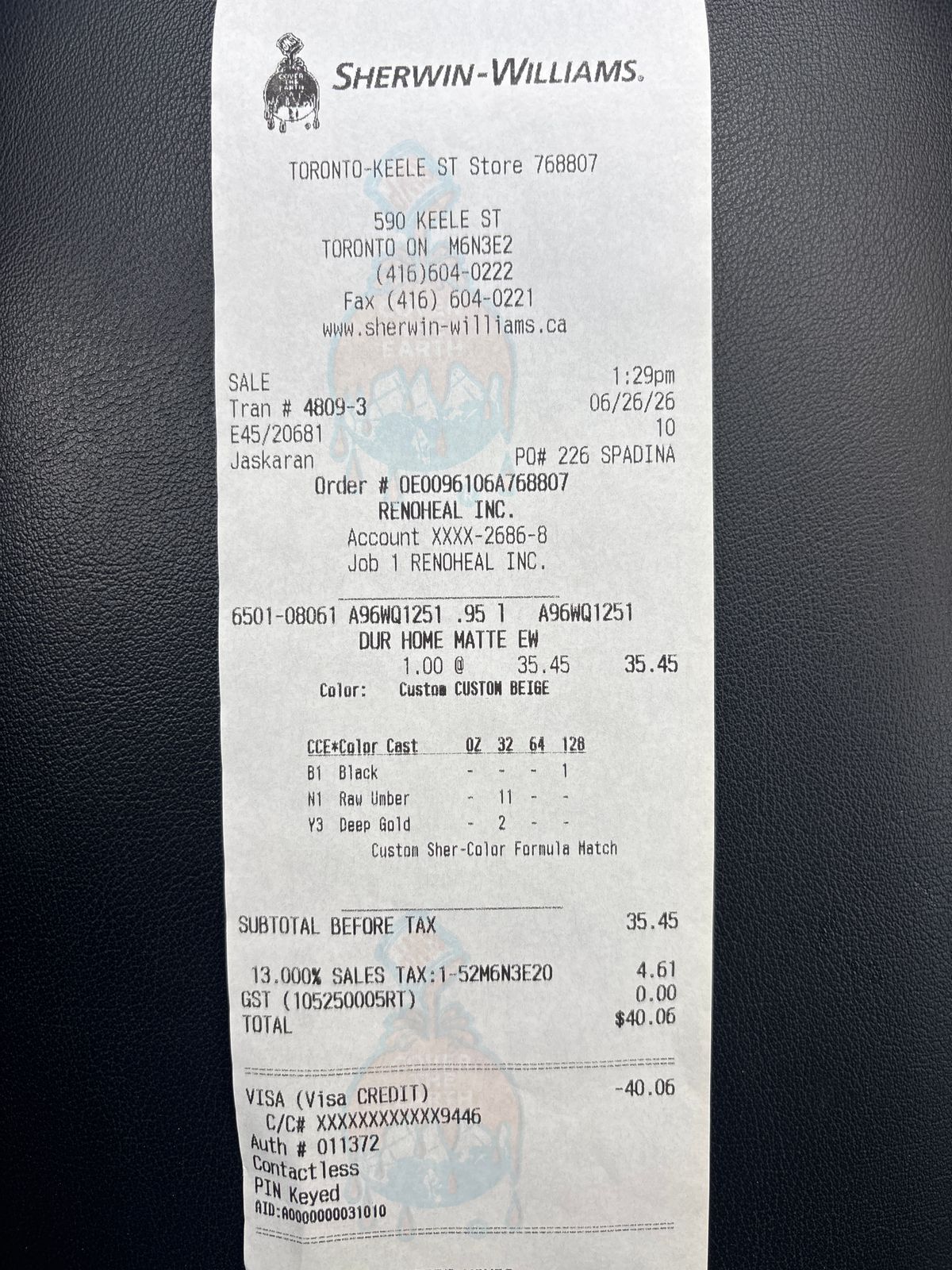
Paint finish quality differs dramatically. Professional painters know how to avoid lap marks, uneven sheen, and visible patch work—the exact issues that frustrated this Toronto homeowner when mismatched paint in the master bedroom ensuite and toy room didn’t blend properly. They also use primer on damaged areas before the final coat, which DIYers frequently skip.
Professional painting services in Toronto typically cost $300–$800 for a single room ceiling, depending on size and surface condition. Factor in your time value, equipment rental, potential mistakes requiring a redo, and hiring a pro becomes the better investment.
Common Mistakes That Turn a Simple Ceiling Job Into a Redo
Many ceiling painting failures stem from skipped steps that seem minor but compound into visible problems.
Skipping Primer on Repairs
If your ceiling has holes, water stains, or patched drywall, paint alone won’t cover them evenly. You’ll see ghosting—a darker shadow where the drywall compound is still absorbing moisture. Primer seals the repair, ensuring the topcoat covers uniformly. Without it, you end up with the exact problem this Toronto customer experienced: nail holes and spots still visible after painting.
Wrong Paint Sheen or Type
Flat or matte paint is standard for ceilings because it hides imperfections and reduces glare. Semi-gloss or satin looks shiny and emphasizes every dust particle and surface irregularity. Using leftover gloss paint from a trim job, or choosing the wrong sheen, creates a visually jarring finish that can’t be fixed without repainting.
Incomplete Coverage in Poor Lighting
The biggest culprit behind missed spots is inadequate lighting. Overhead fixtures cast shadows and create blind spots on a ceiling. Most DIYers don’t set up temporary work lights, so they miss entire sections or leave thin spots that become obvious once the room is back to normal lighting. Professional crews use LED work lights specifically to catch these areas.
Not Checking Work Before Paint Dries
Wet paint and dry paint look different. A spot that appeared covered when wet may show as thin when dry—but by then it’s too late to touch up without visible brush marks. Professionals inspect their work while paint is still workable, catching and fixing issues on the spot. A thorough visual inspection from multiple angles and lighting conditions prevents costly reworks.
These mistakes explain why hiring an experienced team, like those at RenoHeal for interior painting across Toronto and the GTA, protects you from frustration and the hidden cost of doing it twice.
What to Expect When You Booking a Ceiling Painter in Toronto
When you contact RenoHeal for interior painting or ceiling work, the process starts with a clear conversation about scope, budget, and timeline. A technician visits your home to assess ceiling condition, identify damage like water stains, cracks, or peeling paint, and discuss colour matching—especially critical if you’re painting over existing work or patching problem areas. This is where many homeowners catch issues: previous contractors sometimes leave paint mismatches or incomplete spot repairs that won’t show until fresh paint goes up.
Before painting begins, your technician will prepare the space properly: protecting floors and furniture, taping trim, patching holes or cracks, and sanding rough spots. In Toronto and across the GTA, humidity and temperature affect drying times, so scheduling matters. You’ll get a walk-through of the work plan and realistic timeline—usually one to three days depending on room size and repair complexity. Once the job is done, inspect in good lighting and verify colour consistency across the entire ceiling before final sign-off. Get a free quote to see what proper prep and workmanship looks like for your space.
Frequently Asked Questions
How much does it cost to paint a ceiling in Toronto?
Most Toronto homeowners pay between $150 and $400 per room for a standard flat ceiling, depending on room size, ceiling height, and condition. Textured, vaulted, or damaged ceilings cost more — repairs, primer coats, and extra labour all add to the total. Always get a written quote that breaks out prep, materials, and labour separately.
Do I need to fix cracks and nail holes before painting my ceiling?
Yes — skipping repairs before painting is one of the most common mistakes homeowners make. Paint won’t hide cracks or holes; it actually highlights them once light hits the surface at an angle. A proper prep sequence is fill, sand, prime the spot, then paint — cutting that process short guarantees visible flaws in the finished result.
Why does my ceiling look patchy after painting over repaired spots?
Patchy areas almost always come down to skipping a spot primer on the repaired patches before applying the finish coat. Filler and joint compound are highly porous — they absorb paint differently than the surrounding drywall, leaving dull flat spots that stand out under light. Sealing every repair with a shellac-based or PVA primer before the topcoat solves the problem.
How many coats of paint does a ceiling need?
A ceiling in good condition typically needs one coat of primer and two coats of finish paint for an even, professional result. If you’re covering a water stain, switching colours, or painting over fresh drywall repairs, a third coat is often necessary. Rushing to one coat is a false economy — thin coverage shows every imperfection and fades faster.
Can I just paint over a water stain on my ceiling?
Not without the right primer — regular ceiling paint will not block a water stain, and the stain will bleed through within days. You need a stain-blocking primer (shellac-based like Zinsser BIN or an oil-based product) applied directly to the stain before any finish coat. More importantly, confirm the leak that caused the stain is fully repaired first, or you’re just covering an active problem.
How long does ceiling painting take for a typical Toronto home?
A single room with a standard 8-foot flat ceiling usually takes 3 to 5 hours including prep, priming, and two finish coats — with dry time factored in, most single-room jobs wrap up in one day. Larger open-concept spaces, rooms with repairs, or homes with popcorn texture removal can stretch to a full day or more per area. A professional crew can often complete a full main floor in one visit.
Ceiling Painting Toronto Cost: What to Budget, What to Fix First, and Who to Call
Ceiling painting in Toronto costs anywhere from $150 to $600+ per room once you factor in room size, ceiling condition, repair work, and the number of coats needed. The biggest cost drivers aren’t the paint — they’re the prep steps most people skip: patching, priming repaired spots, and blocking stains before a single finish coat goes on.
A ceiling that’s properly prepped and painted by an experienced professional will look noticeably better, hold up longer against Toronto’s humidity swings, and won’t develop the patchy or bleed-through issues that plague rushed DIY jobs. Getting it right the first time is almost always cheaper than repainting six months later.
Ready to get a firm number for your home? Request a free quote from RenoHeal — our team will assess your ceilings, flag any repairs needed, and give you a clear, itemized price before any work begins. Learn more about what’s included in our interior painting services and see why Toronto homeowners trust us with their homes.