
Exterior lighting wiring safety Thornhill homeowners overlook is one of those home maintenance issues that sneaks up on most homeowners. You install solar pathway lights one weekend, string up festive outdoor lighting for a deck gathering, or leave behind old landscape wires from a previous owner—and suddenly you’ve got a tangled safety hazard. Unlike interior electrical work, outdoor wiring gets hammered by Ontario’s freeze-thaw cycles, UV exposure, and foot traffic, making it prone to damage that can create shock risks and fire hazards.
What makes this especially tricky is that many people don’t realize which wiring problems actually violate Ontario electrical codes. A wire lying on top of mulch, a landscape light cord running across your walkway, or solar lights installed without proper burial depth might seem harmless, but they’re quick tickets to code violations. That’s where a professional assessment makes the difference—and why we’ve seen dozens of these issues across Thornhill, North York, and Vaughan that homeowners didn’t even know were problems.
The good news: most exterior lighting wiring violations can be fixed in a single visit. Whether it’s safely burying wires, installing proper conduit, removing hazardous installations, or relocating lights to code-compliant locations, a experienced handyman can handle it quickly and get your outdoor lighting both safe and legal.
Why Exterior Wiring Violations Are More Common Than Homeowners Expect
Solar and low-voltage landscape lighting has exploded in popularity over the last five years. Homeowners love the DIY appeal—no electrician, no permit, just unbox and install. The problem: most people lay wires directly on soil, mulch, or sod without any protection, and Ontario’s weather does the rest. Frost heave pushes wires up and exposes them; UV rays degrade the insulation; lawn mowers and foot traffic nick the coating.
Even “buried” wires often aren’t buried deep enough. Ontario’s frost line sits around 1.2 metres in some areas, but most people bury landscape wires just a few inches down. When the ground freezes and thaws repeatedly through winter and spring, those shallow wires get exposed and damaged. We’ve walked through dozens of Thornhill properties where previous owners or contractors cut corners, and the wires are either tripping hazards on the surface or cracked and deteriorating underground.
Old decorative lighting adds another layer. Homeowners inherit poorly installed exterior wiring from previous renovations—twisted extension cords powering string lights, landscape wires stapled directly to wood fences, or abandoned wiring left underground with no documentation. These aren’t just eyesores; they’re legitimate handyman calls because they violate code and create real electrical hazards.
- DIY solar light sprawl: Wires left on top of soil, creating trip hazards and UV damage
- Shallow burial depth: Frost heave and ground movement expose wires mid-winter
- No conduit protection: Direct soil contact accelerates wire degradation
- Forgotten or abandoned wiring: Previous renovations leave hazardous installations behind
- Extension cord misuse: Outdoor extension cords used as permanent installations
- Poor documentation: No record of where buried wires run—risk of hitting them with a shovel
What the Ontario Electrical Safety Code Says About Outdoor Wiring
Ontario’s electrical code (which adopts the Canadian Electrical Code with provincial amendments) draws a hard line between low-voltage and line-voltage outdoor wiring. Low-voltage landscape and solar lighting (under 50 volts) have some flexibility, but they’re not exempt from rules. Line-voltage outdoor circuits (120V and 240V) are strictly regulated because they carry real electrocution risk.
The Electrical Safety Authority (ESA) enforces the Ontario Electrical Safety Code, and any new circuit or buried line needs a licensed electrical contractor and a permit. Exterior lighting wiring safety Thornhill checks we do focus on what sits outside that line: loose cords, unsecured cables, missing covers and abandoned fixtures.
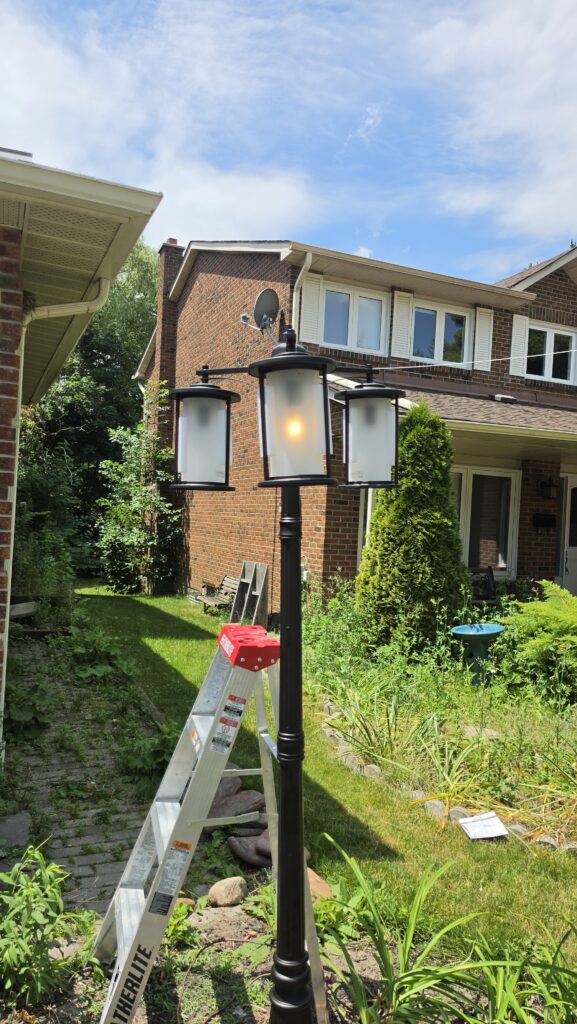
For low-voltage wiring (solar lights, most landscape lighting), the code requires:
- Minimum burial depth of 300mm (12 inches) in areas where there’s no foot traffic or future digging risk; deeper (up to 600mm/24 inches) if the ground may be cultivated or dug later
- Direct burial-rated cable marked “UF” or “USE” (not standard Romex or THHN)
- Conduit protection where wires cross exposed areas, walkways, or transition from underground to above-ground
- Strain relief and proper terminals where wires connect to lights or transformers
- GFCI protection recommended (especially for transformer-fed systems or anything near water)
For line-voltage outdoor wiring (deck lights, security lighting powered by your home’s main electrical panel), the rules tighten significantly:
- Conduit is mandatory for all buried runs (typically 600mm minimum depth)
- GFCI circuit protection is required for all outdoor receptacles and branch circuits
- Proper weatherproof outlet boxes and covers with gaskets and drain holes
- Dedicated circuit recommended to avoid overload and voltage drop over distance
- Permit and inspection required for most installations—DIY work without a permit creates liability and code violations
| Wiring Type | Voltage | Min. Burial Depth | Conduit Required | GFCI Protection | Permit Needed |
|---|---|---|---|---|---|
| Low-voltage landscape (solar, LED lights) | <50V | 300mm (12″) | Where exposed or crossing walkways | Recommended for transformers | No, if direct burial–rated cable used |
| Line-voltage outdoor circuit | 120V–240V | 600mm (24″) | Yes, all buried runs | Yes, mandatory | Yes |
| Above-ground conduit (either type) | Any | N/A | Yes | If line-voltage | Check local |
Thornhill and the GTA follow these provincial rules strictly. Electrical inspectors look for evidence of proper burial, conduit, GFCI, and cable type during home inspections and final walkthroughs. A wire lying on the surface or buried 6 inches deep is an instant violation, and it can complicate insurance claims or home sales. That’s why homeowners often call us to fix violations before listing a property or after discovering old, unsafe wiring during landscaping.
If you’re unsure whether your outdoor lighting meets code, a free estimate from RenoHeal includes a safety assessment. We’ve completed over 3,500 projects in the GTA, and our team knows Ontario electrical code inside and out.
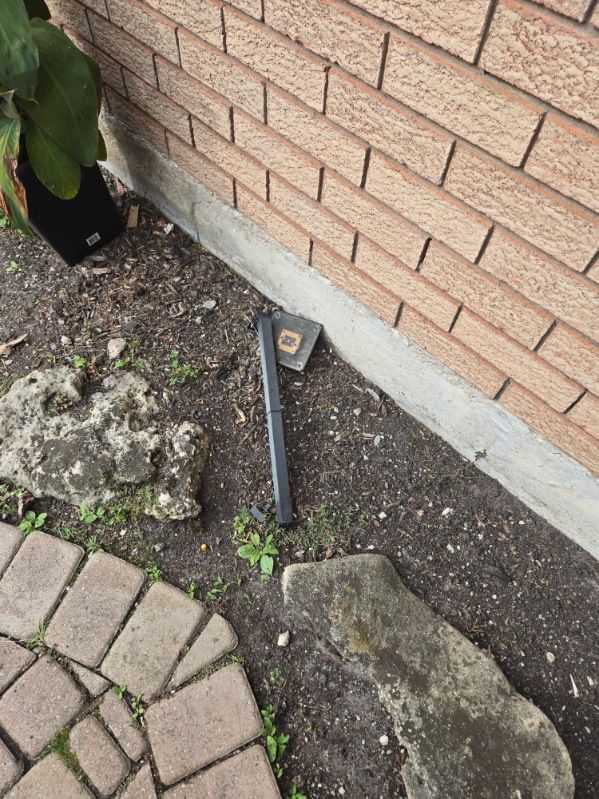
Exterior Lighting Wiring Safety Thornhill: What a Handyman Can Actually Fix
Exterior lighting wires—especially those from solar lights, pathway fixtures, and low-voltage systems—create real tripping hazards and damage landscaping when left exposed across yards. A handyman like those at RenoHeal can tackle the most common fixes in a single visit without calling an electrician.
The most frequent work involves burying solar light wires safely underground. This means running cables through conduit (protective plastic tubing), securing them along fence lines, or installing them under mulch or soil at proper depths. In Thornhill’s climate, burying below the frost line (typically 4–5 feet in the GTA) protects wires from freeze-thaw damage and lawn equipment. Handymen can also secure exposed wires along deck railings, porch steps, and garden beds using cable clips, conduit, or weatherproof wire covers—keeping them off the ground and out of sight.
Removing unused or damaged solar fixtures entirely is another straightforward task. If the lights no longer work or you’ve replaced them, a handyman safely disconnects the wires, removes the fixtures, and restores the yard. This prevents frayed wires, pest nesting, and accidental contact.
Low-voltage outdoor lighting systems (12V or 24V)—like landscape accent lights or deck step lights—fall squarely in handyman territory. These systems operate at safe, non-lethal voltages and don’t require licensed electrical work in Ontario, making them ideal for same-day fixes. RenoHeal’s handyman services handle these jobs routinely across North York, Thornhill, and the surrounding GTA.
Code Violations vs. Handyman Territory: Knowing the Line
Ontario’s electrical code—enforced by municipal inspection in Thornhill—draws a clear distinction between handyman-safe work and jobs requiring a licensed electrician. Understanding this line keeps you safe and avoids costly fines or failed inspections.
What a Handyman Can Do (120V or Less)
- Solar light wires and pathway lights: Almost always low-voltage (typically 12V), these are handyman-safe to bury, secure, or remove.
- Low-voltage landscape lighting: Deck step lights, garden accents, and ambient lighting at 12–24V are outside the electrical code’s scope.
- Physical wire management: Securing, burying, and protecting existing systems with conduit or clips.
- Fixture removal and replacement: Swapping out old solar lights for new ones (not installing new 120V hardwired circuits).
What Requires a Licensed Electrician (120V+)
If your outdoor lighting runs on household power (120V), or if you’re installing new hardwired fixtures, trenching for buried electrical cable, or adding new circuits to your home’s panel, you must hire a licensed electrician. This includes deck lights wired to your home’s main power, outdoor outlets, or permanent fixtures that draw from your electrical panel. Thornhill and Toronto municipal inspection requires a permit and electrical certificate of compliance for these jobs.
Damaged wires touching soil or water, visible corrosion on outdoor connections, or flickering lights also signal electrical issues beyond handyman scope—contact a licensed electrician or RenoHeal’s team for a safe assessment. Our experienced technicians know exactly when to step in and when to refer you to a licensed professional, protecting your home and wallet.
Exterior Lighting Wiring Safety Thornhill Cost Guide (2026)
Outdoor lighting wire work in Thornhill and across the GTA typically runs between $200–$800 depending on the scope. Below is a realistic breakdown of what you’ll pay for common fixes our team handles in a single visit.
| Service | Scope | Cost Range (CAD) | Time |
|---|---|---|---|
| Wire Burial (shallow) | Up to 20 feet of solar or low-voltage wire buried 6–8 inches | $150–$300 | 1–2 hours |
| Wire Removal | Safe disconnection and removal of old or damaged exterior wiring | $100–$250 | 30 mins–1 hour |
| Wire Securing (clips, conduit) | Fastening loose wires to house or fence with appropriate clips | $75–$200 | 30 mins–1 hour |
| Conduit Installation | PVC or metal conduit run to protect wiring (per 10 feet) | $200–$400 | 1–2 hours |
| Full Cleanup (mixed) | Removal, burial, and securing across yard | $400–$800 | 2–4 hours |
Price drivers: terrain difficulty, wire length, number of fixtures, accessibility, and whether conduit is needed. Thornhill properties with mature landscaping or slope challenges may run higher. All RenoHeal work comes with a warranty on workmanship and free on-site estimates—call or get a quote online to lock in your exact cost before we start.
DIY vs. Hiring a Professional for Outdoor Wiring Cleanup
The temptation to bury or remove outdoor lighting wires yourself is real—and so are the risks. Here’s why most Thornhill and GTA homeowners call a professional instead.
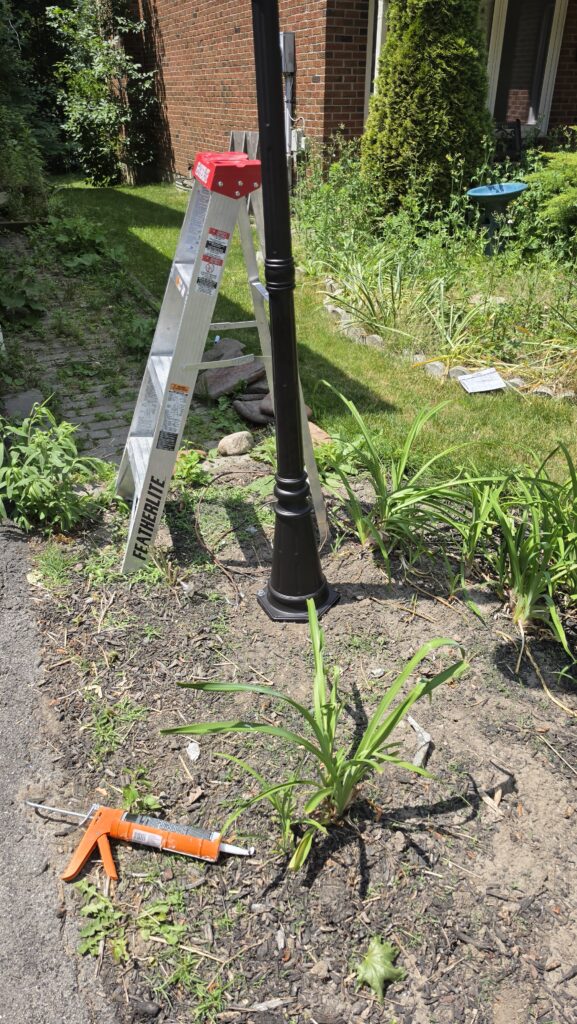
Need fixtures swapped or tidied at the same time? Our light fixture installation and electrical repairs pages explain what we handle, and we serve Thornhill along with nearby Vaughan and Richmond Hill.
Safety & Code Risks
Outdoor lighting circuits can still carry current even if the fixture isn’t on. Cutting or burying a live wire can cause electrocution or fire. Ontario Electrical Safety Code requires low-voltage wiring (under 50V) to be buried at least 6 inches deep in conduit or with a warning tape overlay. Solar wires are safer, but improper burial can damage them or underground utilities. You also risk hitting gas, water, or communication lines—a costly and dangerous mistake.
Permit & Insurance Implications
Electrical work in Ontario often requires a permit and must be inspected by the local authority having jurisdiction (AHJ)—in Thornhill, that’s the Town of Vaughan. DIY wiring fixes can void your homeowner’s insurance claim if something fails or causes damage. If a guest trips on a loose wire you didn’t secure properly, liability falls on you. Professional handyman service carries $5M liability insurance and WSIB coverage, protecting you and the work.
Time & Hidden Costs
Renting a trencher, buying conduit and clips, and spending a Saturday digging can easily cost $200–$400 and 4+ hours. If you hit a utility line or make a mistake, repairs compound fast. RenoHeal’s team does it in one visit, right the first time, with no surprises. Contact us for a free estimate—most jobs are done same-day.
Common Mistakes Homeowners Make with Exterior Lighting Wires
Most homeowners in Thornhill and across the GTA bury outdoor lighting cables too shallow or skip burial altogether. Wires buried just 2–3 inches deep are easily damaged by garden shovels, lawn aerators, or frost heave during Ontario winters. The Ontario Electrical Safety Code requires direct-burial cable to be at least 12–18 inches deep, depending on whether it’s in a garage, driveway, or soft soil.
Another common mistake is using regular electrical tape or duct tape to seal wire connections. These materials degrade in UV light and moisture, leaving splice points exposed to corrosion and short circuits. Many homeowners also string wires across walkways, patios, or under mulch without conduit protection, creating trip hazards and making the wires vulnerable to lawn equipment damage.
Improper wire gauge for the load is another issue we see regularly. Undersized wires generate heat, which can melt insulation and start fires—especially with LED string lights left running overnight. Even solar light wires that seem “low voltage” still need proper strain relief and weatherproofing where they connect to fixtures.
If you’re unsure whether your outdoor lighting setup meets code, request a free estimate from our experienced technicians in Thornhill and North York.
Frequently Asked Questions
Can a handyman bury exterior lighting wires in Ontario, or does it require an electrician?
It depends on the voltage. Low-voltage landscape lighting wires (typically 12V systems) can be buried and routed by an insured handyman — no electrical permit is needed. Line-voltage wiring (120V), such as wiring run to a hardwired outdoor fixture or post light, must be installed or modified by a licensed electrician under Ontario’s Electrical Safety Authority (ESA) rules.
How deep do outdoor low-voltage solar light wires need to be buried in Ontario?
Ontario’s electrical code doesn’t set a specific burial depth for low-voltage (12V or less) landscape wire, but the standard trade practice is a minimum of 15 cm (6 inches) deep to protect cables from spades, aerators, and frost heave. Running wire through conduit before burial adds protection and is strongly recommended in high-traffic yard areas. At that depth, the wire stays out of reach of routine gardening without requiring a full trenching job.
Is it a code violation to leave solar light wires sitting on the ground in Thornhill?
Low-voltage solar light wires lying on the ground aren’t a direct Ontario Electrical Code violation the way exposed 120V wiring would be, but they can still create liability and insurance issues if someone trips or a lawn mower cuts through them. Thornhill properties also fall under York Region’s property standards bylaws, which can flag unsafe yard conditions. Burying or properly securing those wires is inexpensive and removes any grey area.
How long does it take a handyman to clean up exterior lighting wires in one visit?
For a typical Thornhill property with a single lighting zone — say, a front walkway or backyard perimeter — most wire clean-up and shallow burial jobs take two to four hours in one visit. Larger yards with multiple lighting runs or areas requiring conduit routing may take a full day. A handyman will assess the scope during a free estimate so you know exactly what to expect before booking.
Will exposed outdoor wiring affect my home insurance in Ontario?
Yes, it can. Ontario home insurers can deny a claim or reduce a payout if exposed or improperly installed wiring contributed to an incident — especially in the event of a fire, trip-and-fall injury, or equipment damage. Some insurers also conduct exterior inspections during renewal and can flag obvious wiring hazards. Getting wires properly buried or secured is a straightforward fix that protects your coverage.
What’s the difference between low-voltage landscape wire and line-voltage outdoor wiring?
Low-voltage landscape wire runs at 12V or less and is typically used for solar path lights, LED garden fixtures, and plug-in transformer systems — it’s safe to handle and doesn’t require an ESA permit for installation. Line-voltage outdoor wiring runs at 120V (standard household current) and powers hardwired fixtures, outlets, and post lights connected directly to your panel. The two systems look similar but carry very different risks, and only line-voltage work requires a licensed electrician in Ontario.
Exterior Lighting Wiring Safety in Thornhill: Keep Your Property Code-Compliant and Insurable
Most exterior lighting wiring problems in Thornhill homes come down to one of three things: low-voltage cables left on the surface, improper burial depth, or confusion about which wires require an electrician versus a handyman. Sorting out that distinction early saves you time, avoids insurance headaches, and keeps your yard safe for kids, pets, and anyone walking the property after dark.
A professional handyman can handle low-voltage landscape wire burial, fixture securing, and general outdoor wire management in a single visit — no permit required, no lengthy wait. For line-voltage work, RenoHeal coordinates with licensed tradespeople and can still manage the broader scope of the project so you’re not juggling multiple contractors.
Ready to get your outdoor lighting wiring sorted before it becomes a bigger problem? Request a free quote from RenoHeal today, or learn more about what our team handles through our Handyman Services page. We serve Thornhill and the broader GTA with same-day availability, $5M insurance, and a 4.9-star track record across 3,500+ completed projects.