
Interior window mold removal Richmond Hill is one of the most common calls we get during Ontario’s cold months. If you’ve noticed dark spots, a musty smell, or peeling paint around your interior window frames, mold is likely already growing—and it won’t fix itself. Mold thrives on moisture, and your windows are the perfect breeding ground, especially when condensation builds up against the glass and frame during winter.
The good news: catching it early and getting professional removal done stops the damage before it spreads to drywall, insulation, and the window structure itself. What most homeowners don’t realize is that DIY cleanup with bleach doesn’t solve the root problem—moisture keeps coming back. A proper fix means removing the mold, drying the area thoroughly, sealing the window, and sometimes repainting to protect the wood or frame underneath.
In this guide, we’ll walk you through why mold shows up on Richmond Hill windows, how to spot it fast, what removal actually costs, and exactly how a professional technician fixes it for good.
Why Richmond Hill Homes Get Mold Around Windows
Richmond Hill winters create the perfect storm for window mold. Outdoor temperatures drop below freezing while your heated indoor air rises to the window glass, creating a massive temperature difference. That temperature shock pulls moisture out of the indoor air and deposits it as condensation on the cold glass—and on the frame around it.
Unlike drier climates, the Greater Toronto Area experiences high humidity year-round. In winter, that moisture gets trapped between old or poorly sealed window frames and the glass. Over days and weeks, that dampness never fully dries, so mold spores that are naturally floating in your home (they’re everywhere) find the perfect place to grow.
Common causes include:
- Single-pane or older double-pane windows with worn seals
- Lack of proper ventilation in bedrooms, bathrooms, or kitchens near windows
- Window frames that don’t drain properly or are installed without a proper sill slope
- Caulking that’s cracked, missing, or deteriorated (common in 10+ year old windows)
- Humidity levels above 50% inside the home during cold months
In towns like Markham and Vaughan, homeowners see the same issue because the climate is identical. Once one window starts sweating and growing mold, others usually follow. The longer you leave it, the faster it spreads to adjacent windows and the surrounding drywall, which may then need drywall repair.
How to Spot Window Mold Before It Spreads
Early detection saves money and prevents structural damage. Mold around windows doesn’t always look the same, so knowing what to look for is key. Check your windows weekly during Ontario’s cold season (October through April), especially in bedrooms and bathrooms where humidity is highest.
Classic signs of interior window mold:
- Black or dark green spots on the frame, sill, or in the corner where the frame meets the glass (not dust—this won’t wipe away easily)
- A musty, earthy smell near the window (that’s mold spores releasing into the air)
- Paint bubbling, peeling, or lifting on wooden frames or the drywall next to the window
- Visible moisture or condensation on the glass that stays for hours after wiping
- Soft or spongy wood around the frame when you press it (mold is breaking down the wood fibers)
- A line of discoloration running down the frame from the top of the window
If you see any of these in North York, Richmond Hill, or Toronto, don’t wait. Mold spreads fast once humidity conditions stay right. A professional inspection with a free estimate will identify how deep the damage runs and whether you’re dealing with surface mold on the paint or mold that’s already in the frame or drywall behind it.
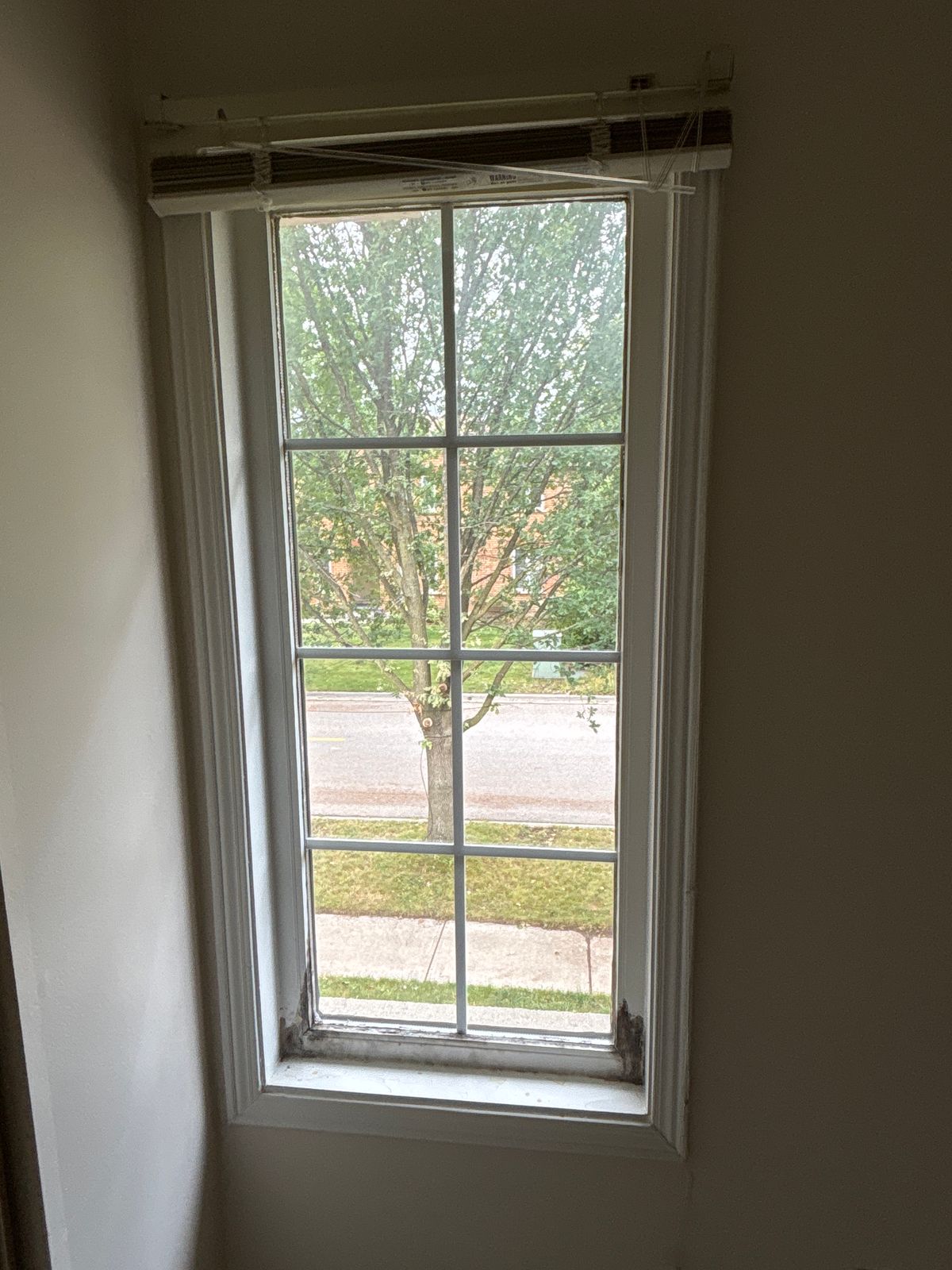
How a Pro Handles Interior Window Mold Removal Richmond Hill
Professional mold removal starts with protection—not just of the mold itself, but of your home. A technician will cover carpets, furniture, and flooring with drop cloths or plastic sheeting to prevent spores from spreading and to catch paint overspray during the repaint phase. This containment step is crucial in Richmond Hill homes where mold is common due to winter condensation and poor window ventilation.
Next comes surface preparation. The tech will clean all affected areas with a mold-killing solution, scrubbing window frames, sills, and surrounding drywall to remove visible mold and mold-stained paint. Any loose or peeling paint gets scraped away. If mold has penetrated deep into wood frames or drywall, those sections may need to be cut out and replaced—this is why a proper inspection matters.
Once surfaces are clean and dry, the tech applies a primer designed to prevent mold regrowth, then repaints with quality interior paint. Using a professional interior painting service ensures proper coverage and a finish that resists moisture. The entire process addresses not just what you see, but the conditions that caused the mold in the first place.
Interior Window Mold Removal Richmond Hill Costs (2026)
Costs in Richmond Hill typically range from $300 to $1,800 CAD for a standard interior window mold removal and repaint job. The price depends on the number of windows, severity of mold, whether drywall or frame replacement is needed, and the size of the area to be painted.
| Scope of Work | Estimated Cost (CAD) | Timeline |
|---|---|---|
| Single window (mold clean + paint) | $300–$500 | 2–3 hours |
| 2–3 windows (clean + repaint) | $600–$900 | 4–6 hours |
| 4+ windows with frame damage | $1,000–$1,800 | 1–2 days |
| Add drywall repair/replacement | +$200–$600 | Additional time varies |
Factors That Affect Your Cost
- Mold extent: Surface mold is cheaper to treat than mold that’s penetrated frames or drywall.
- Window type: Double-hung, casement, or sliding windows vary in complexity and painting time.
- Material damage: Wood frames cost more to restore than vinyl; some frames may need replacement.
- Paint quality: Premium, moisture-resistant paints cost more but last longer in humid areas.
- Ventilation issues: If poor drainage or condensation is the root cause, addressing it adds cost but prevents recurrence.
RenoHeal provides free estimates in Richmond Hill and across the GTA, so you’ll know the exact cost before work begins. Most interior window mold jobs qualify for our warranty on paint and repair work, giving you peace of mind that the fix will hold.
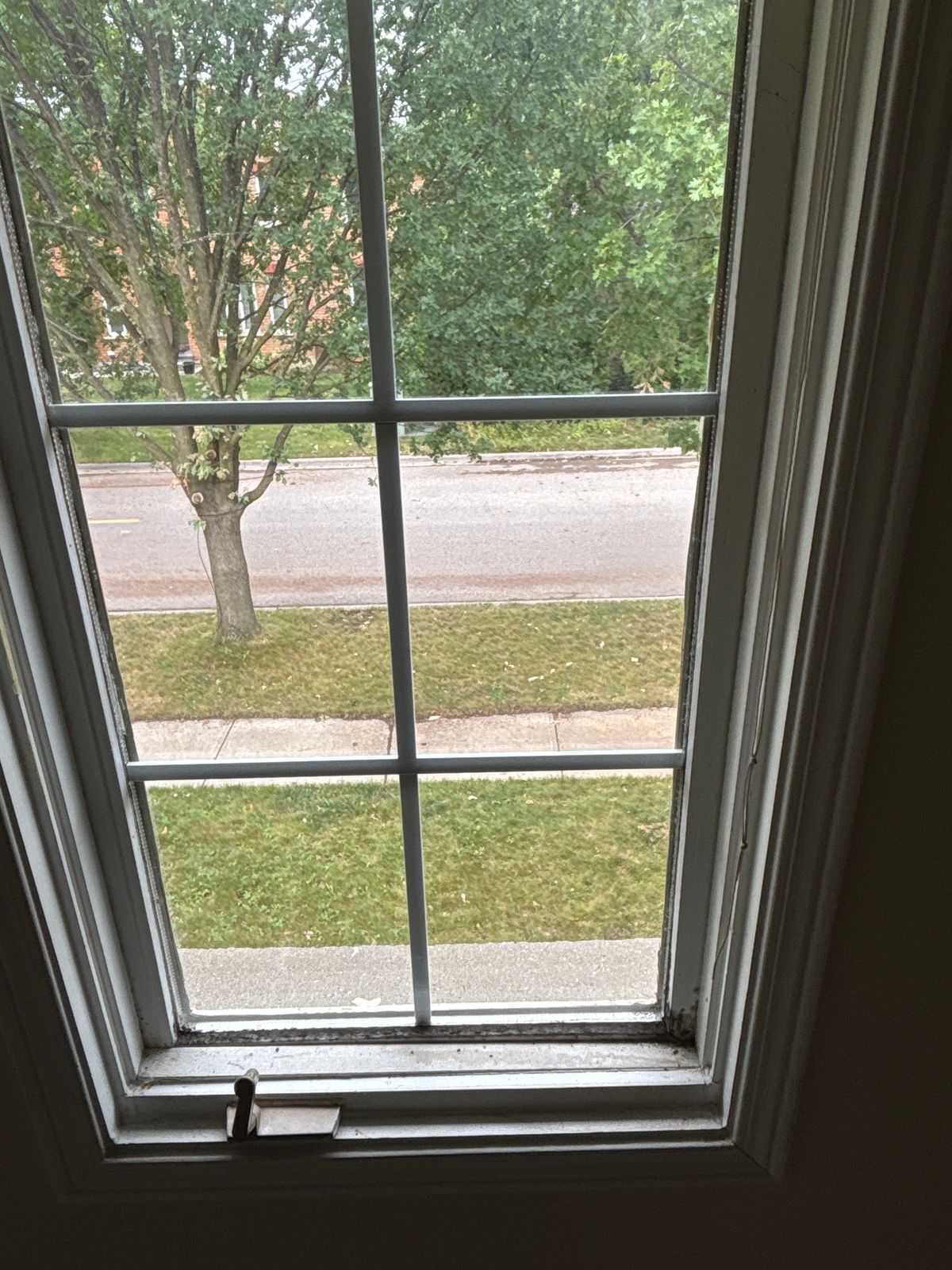
DIY vs. Hiring a Professional for Window Mold Removal
Removing mold from interior windows yourself seems straightforward, but there are real safety and effectiveness issues to consider. Mold spores become airborne when disturbed—inhaling them can trigger respiratory problems, especially if anyone in your home has asthma or a compromised immune system. Without proper containment, you’re spreading spores throughout your living space instead of containing them.
DIY cleaning often fails because homeowners treat only what’s visible. Mold typically grows behind window frames, under sills, and inside wall cavities where moisture sits. You can’t see or reach these areas without disassembling the window properly. If you don’t address the moisture source—poor ventilation, condensation buildup, or a failed seal—the mold returns within weeks.
A professional like RenoHeal’s mold removal service uses containment barriers and targeted treatments to eliminate mold at its source. We’ve completed over 3,500 projects across the GTA, including Richmond Hill and surrounding areas. Professionals also identify why the mold appeared and recommend fixes—like improving window sealing or adding exhaust ventilation—to prevent recurrence. For anything beyond surface cleaning, a pro saves time, health risks, and repeat costs.
Common Mistakes Homeowners Make When Treating Window Mold
Painting over mold is the biggest error. Paint doesn’t kill mold; it traps moisture underneath, letting the colony grow larger and faster. Within months, you’ll see paint bubbling, peeling, or showing new mold stains. The mold spreads into the frame and wall behind the window, becoming much harder and costlier to fix.
Using the wrong cleaning products also wastes time and money. Bleach is ineffective on porous surfaces like wood frames and drywall—it only kills surface spores and evaporates quickly. Vinegar and baking soda are popular but weak against established colonies. You need mold-specific fungicides rated for the surface type and moisture level.
Skipping surface prep means treatments don’t penetrate properly. Dust, old caulk, and loose paint prevent the cleaner from reaching mold at the frame edges and sill crevices. Many homeowners also miss the condensation and ventilation problems causing the mold. Without fixing the moisture source—opening windows daily, running exhaust fans in bathrooms, or sealing air leaks—mold will return.
A professional approach covers all bases: containment to prevent airborne spores, thorough cleaning of visible and hidden areas, application of proper fungicides, and follow-up interior painting only after mold is completely gone. We’ve handled this exact scenario in Richmond Hill and across Toronto, Markham, and Vaughan, ensuring it doesn’t come back.
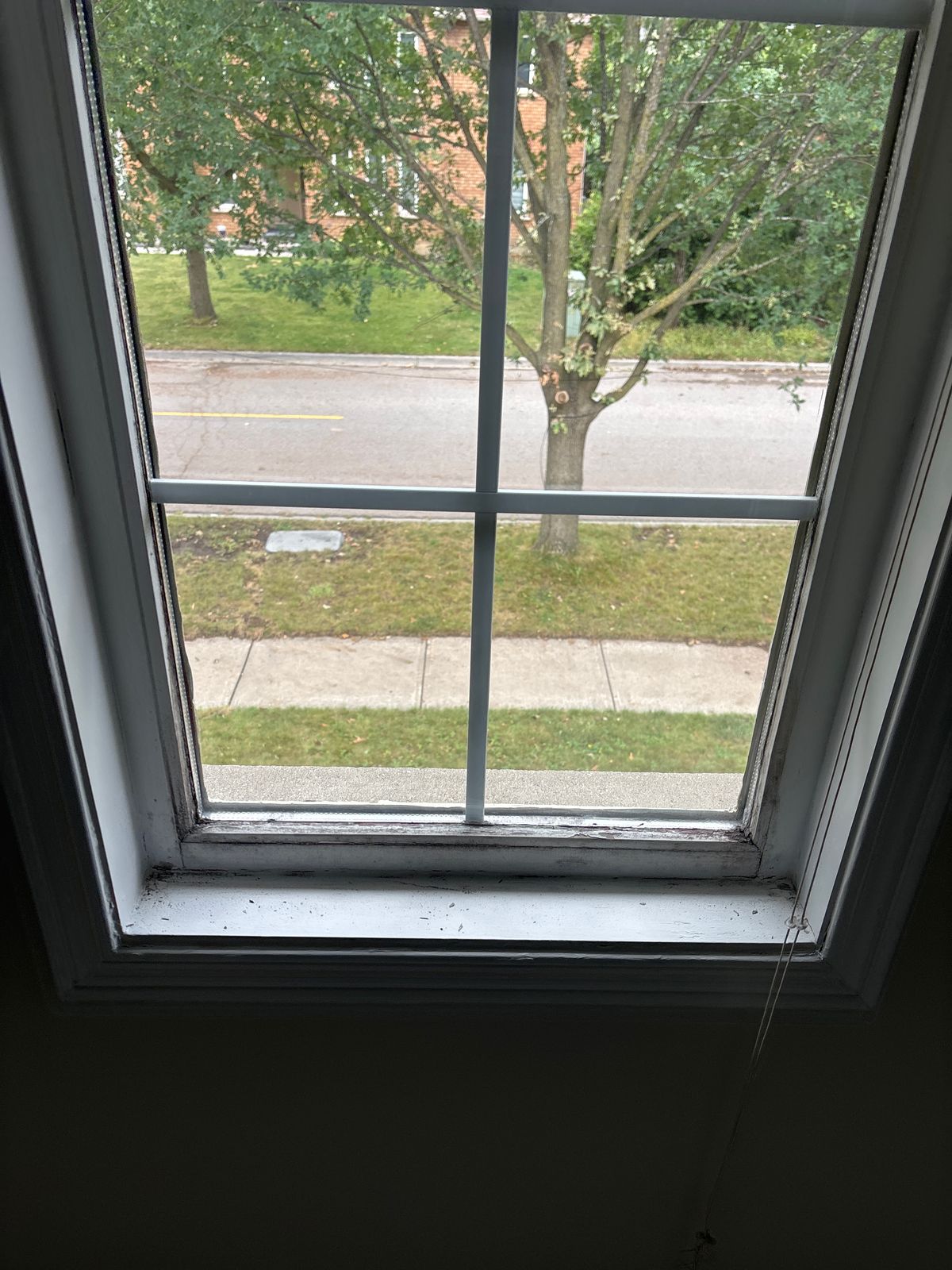
How to Reduce Window Condensation and Prevent Mold from Coming Back
Once you’ve had mold removed, the real work is preventing it from returning. The key is controlling moisture—mold thrives when condensation sits on cold glass or frames for hours at a time. In Richmond Hill’s winters, this happens constantly as warm indoor air meets frigid window surfaces.
Ventilation is Your First Line of Defense
Run your bathroom and kitchen exhaust fans during and for 20 minutes after showers or cooking. Opening a window for even 10 minutes a day pulls humid air outside before it settles on the glass. In bedrooms, opening a window slightly overnight (especially after sleep when moisture builds up) makes a measurable difference.
Control Indoor Humidity
Keep humidity between 30–50% using a dehumidifier if needed (the CMHC has more guidance on managing indoor moisture)—particularly in basements and bathrooms. Avoid hanging wet laundry near windows. Wipe down condensation on window glass each morning; don’t let it pool on sills.
Seal Gaps with Proper Caulking
Gaps around window frames let cold air seep in, making glass colder and condensation worse. Professional caulking seals these air leaks while protecting the frame from water damage. This is especially important in older Richmond Hill homes where original caulk has deteriorated.
Seasonal Maintenance Tips
- Fall: Have windows inspected for cracks or failing seals before heating season begins
- Winter: Keep radiators and heating vents unblocked to maintain even room temperature
- Spring: Check sills and frames for any new signs of moisture or soft wood
- Year-round: Install or repair weatherstripping to reduce drafts
If mold returns despite these steps, the window itself may be failing (broken seal, condensation trapped between panes). That’s when replacement or professional assessment becomes necessary. RenoHeal’s experienced technicians can spot these issues early and recommend the right fix.
Frequently Asked Questions
Is black mold on window frames dangerous to my family’s health?
Black mold — particularly Stachybotrys chartarum — releases mycotoxins that can trigger respiratory issues, allergic reactions, headaches, and eye irritation. Children, the elderly, and anyone with asthma or a compromised immune system are especially vulnerable. If you see black or dark green growth on your window frames, treat it as a health concern and have it assessed by a professional promptly. Health Canada’s guide to reducing humidity, moisture and mould is a useful reference for keeping it from coming back.
Can I just paint over window mold instead of removing it first?
Painting over mold is one of the most common mistakes homeowners make — and it never works long-term. The mold continues growing beneath the paint, causing bubbling, peeling, and eventual reappearance within weeks or months. Mold must be fully killed and removed before any primer or paint is applied.
How long does interior window mold removal and repainting take?
For a typical window with moderate mold growth, professional remediation and repainting usually takes between two and four hours per window, including drying time between coats. Severe cases with deep frame damage or large affected areas may require a full day. Most RenoHeal jobs in Richmond Hill are completed same-day.
Does window mold mean my windows need to be replaced?
Not necessarily. Mold on the interior frame or sill is usually a moisture management problem, not a sign that the window itself has failed. If the frame is structurally sound and the glass seal is intact, professional mold removal and repainting is often all that’s needed. Replacement becomes necessary only when the frame is rotted through or the window is consistently allowing bulk water infiltration.
What type of paint should be used on interior window frames after mold removal?
A mold-resistant primer followed by a semi-gloss or gloss alkyd or water-based enamel is the right combination for interior window frames. The higher sheen resists moisture absorption and makes the surface easier to wipe clean. Flat or eggshell paints hold moisture and should be avoided on frames and sills in Ontario’s humid seasons.
Will my homeowner’s insurance cover window mold removal in Ontario?
Ontario home insurance policies generally cover mold remediation only when it results from a sudden, accidental event — like a burst pipe — that is itself a covered peril. Mold caused by long-term condensation, poor ventilation, or deferred maintenance is almost always excluded. Review your policy carefully and document the damage thoroughly before filing any claim.
Interior Window Mold Removal Richmond Hill: Act Early, Fix It Right
Window mold in Richmond Hill homes is overwhelmingly a moisture problem — and moisture problems get worse, not better, on their own. Whether it’s condensation from cold winters, inadequate ventilation, or a failing window seal, the fix requires proper remediation first and quality paint second. Skipping either step means the mold comes back.
The good news is that most interior window mold cases don’t require window replacement. A professional treatment, a mold-resistant primer, and a durable enamel finish can restore your frames and protect them for years. The key is making sure the job is done completely the first time — no shortcuts, no painting over the problem.
RenoHeal’s technicians handle interior window mold removal and repainting across Richmond Hill and the GTA, with same-day availability, $5M liability insurance, and WSIB coverage. Request a free quote today and let us assess your windows at no cost — or learn more about our full range of mold removal services to see how we can help protect your home.