
A medicine cabinet is one of those bathroom fixtures that does real work—it stores medications, first aid supplies, and daily essentials while freeing up counter space. Whether you’re planning a bathroom refresh in Toronto or replacing an old, worn-out cabinet, medicine cabinet installation Toronto is a straightforward handyman job that can make a genuine difference in how functional your bathroom feels. The tricky part isn’t the installation itself; it’s choosing the right type for your space and wall structure.
Your two main options are recessed and surface mount cabinets, and the choice depends on wall depth, plumbing, and how much space you’re willing to dedicate. Each has real trade-offs in cost, difficulty, and final appearance. We’ll walk through both options, show you what professional installation actually involves, and give you realistic pricing for the GTA so you know what to expect before you call.
Recessed vs. Surface Mount: Which Type Works for Your Bathroom?
Recessed Cabinets
Recessed cabinets sit inside the wall cavity between studs. They create a streamlined, built-in look and don’t eat up bathroom floor space—a real advantage in smaller bathrooms across Toronto, Scarborough, and Etobicoke where square footage is precious. The cabinet frame sits flush with the wall surface, giving your bathroom a cleaner visual appearance.
Pros: Space-saving, premium finished look, easier to clean around. Cons: More expensive ($300–$800 for materials plus labour), require stud placement to work, can’t be used on walls with plumbing or electrical lines running between studs.
Surface Mount Cabinets
Surface mount cabinets attach directly to the wall face. They stick out 4–6 inches and work on any wall type—drywall, plaster, tile, or studs don’t matter. Installation is faster because there’s no cavity cutting required.
Pros: Budget-friendly ($150–$400 for materials plus labour), flexible placement, easy retrofit, faster installation. Cons: Takes up wall depth, less premium appearance, more noticeable in small spaces.
Wall Type Matters
| Wall Type | Recessed Suitable? | Surface Mount Suitable? | Notes |
|---|---|---|---|
| Standard drywall (no obstacles) | Yes | Yes | Ideal scenario for either option |
| Tile or finished surfaces | No | Yes | Cutting into tile risks damage; surface mount is cleaner |
| Plumbing/electrical in cavity | No | Yes | Common in older Toronto homes; recessed isn’t possible |
| Stud spacing 16″ or 24″ | Yes (if cabinet fits) | Yes | Check cabinet width before ordering |
For most bathrooms in Markham, North York, and central Toronto, we find surface mount works best because it’s versatile, costs less, and doesn’t depend on wall structure guesswork. Recessed makes sense only if you have clear drywall, confirmed stud placement, and budget room.
What the Medicine Cabinet Installation Toronto Process Looks Like
Installation sounds simple, but it requires precision. A cabinet that’s even slightly crooked will look wrong and doors won’t close properly. Here’s exactly what our handyman team does on every job.
Step 1: Inspection & Measurements
We first check the wall for plumbing, electrical lines, and studs using a stud finder and moisture meter. For recessed cabinets, we confirm there are studs flanking where the cabinet will go. We measure the exact height (typically 48–52 inches from floor to cabinet center) and mark level points with a pencil.
Step 2: Cutout (Recessed Only)
For recessed installation, we carefully cut the drywall opening between studs using a drywall saw. This is the highest-risk step—any errors mean patching and repainting. We then secure the mounting brackets to the studs inside the cavity.
Step 3: Mounting & Anchoring
For surface mount, we locate studs or use heavy-duty drywall anchors rated for the cabinet weight. Most medicine cabinets weigh 20–40 pounds loaded, so proper anchors matter. We attach mounting brackets, drill pilot holes, and fasten with corrosion-resistant screws. For recessed cabinets, the cabinet slides into the opening and is secured from inside.
Step 4: Levelling & Door Adjustment
We use a spirit level on both axes—horizontal and vertical—because doors swing freely and any tilt will cause them to creep open or close unevenly. Adjustments are usually shims behind the brackets or fine-tuning the door hinges. This step takes time but is non-negotiable.
Step 5: Caulking & Finishing
For recessed cabinets, we caulk around the trim with paintable caulk to hide the drywall edges. For surface mount on tile, we apply silicone caulk to create a water-tight seal. We test the door swing, check shelves are level, and ensure hinges are smooth.
The whole job typically takes 1–2 hours for surface mount and 3–5 hours for recessed (including the drywall cutout). Our team brings all necessary tools and high-quality materials, and we handle cleanup. If you need cabinet installation alongside other bathroom work—like vanity installation or bathroom renovations—we can coordinate that in one visit. For a transparent quote on your specific bathroom, request a free estimate and we’ll assess your wall and recommend the best option for Vaughan, Thornhill, Aurora, or anywhere else in the GTA.
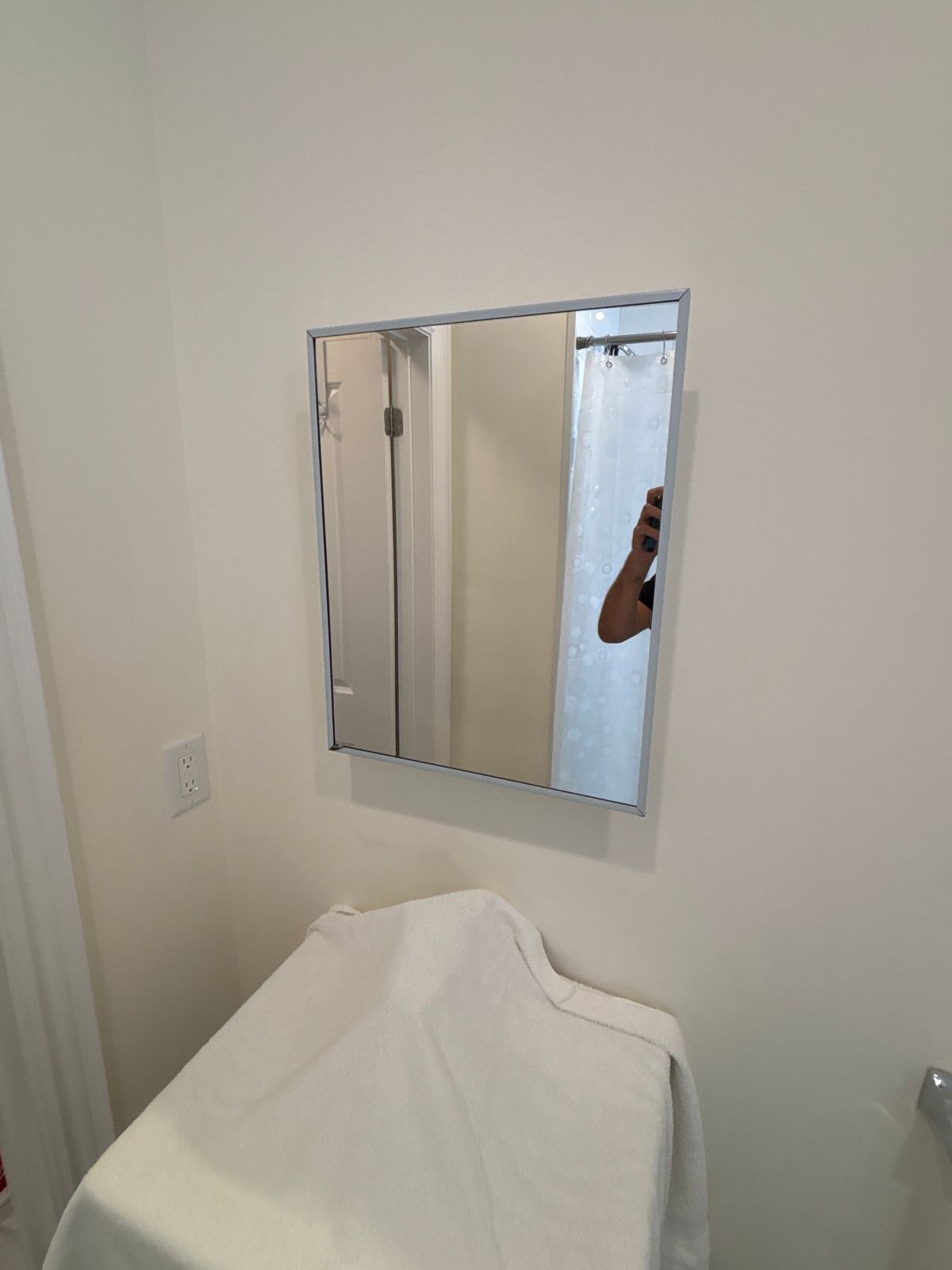
Medicine Cabinet Installation Toronto: Cost Guide (2026 CAD Prices)
Medicine cabinet installation Toronto costs (including the wider GTA) typically range from $300 to $1,200 CAD, depending on the cabinet type, wall condition, and complexity. Here’s what you can expect to pay:
| Service | Cost Range (CAD) | Notes |
|---|---|---|
| Surface-mount cabinet + installation | $300–$600 | Cabinet + labour. Fastest option, no framing required. |
| Recessed cabinet + installation | $600–$1,200 | Includes stud location, drywall cut, frame anchoring. |
| Recessed on tile wall | $800–$1,500 | Tile removal, cutting, potential re-tiling around edges. |
| Electrical outlet addition | $150–$300 | If cabinet needs power for lighting or charging. |
| Mirror replacement only | $100–$250 | Fixing cracked mirror or upgrading existing cabinet. |
RenoHeal charges $90 per hour with a $150 minimum for handyman installation in Toronto. Most installations take 1–3 hours depending on wall type and cabinet complexity. Cabinet prices themselves range from $100 (budget plastic) to $800+ (solid wood or premium units with lighting). Get a free estimate to see exact costs for your bathroom.
What Affects the Final Price of Your Installation
Wall Type and Condition
Drywall is cheapest—the technician simply cuts an opening and screws the cabinet frame into studs. Tile walls cost 2–3 times more because the installer must carefully remove tile, cut through the backing board, and often re-tile around the edges. Plaster or old horsehair plaster adds time and dust control costs. Brick or concrete walls require different anchoring methods and drilling equipment.
Stud Location and Framing
Recessed cabinets must anchor to wall studs (typically 16 inches apart). If studs aren’t where you want the cabinet, the technician may need to add a wooden frame or reposition the cabinet—this adds $100–$200 to labour. Inspecting studs with a stud finder takes 10–15 minutes but is crucial to prevent the cabinet from sagging or pulling away.
Electrical Requirements
Many modern medicine cabinets include LED lighting, USB charging ports, or heated mirrors. Running a new outlet behind the cabinet requires a licensed electrician in Ontario and costs $150–$300. If an outlet already exists nearby, installation is simpler. Ensure the electrician pulls permits if required by your municipality (Markham, Vaughan, and Toronto often require this for bathroom work).
Cabinet Size and Weight
Larger cabinets (30″–36″ wide) weigh more and need additional support, especially if recessed. Heavy solid-wood units or those filled with shelving and products require heavier-duty anchors and more time to level and secure. Lightweight plastic or aluminium cabinets install faster and cost less in labour. Over-the-toilet or corner cabinets may also take longer to position and anchor correctly.
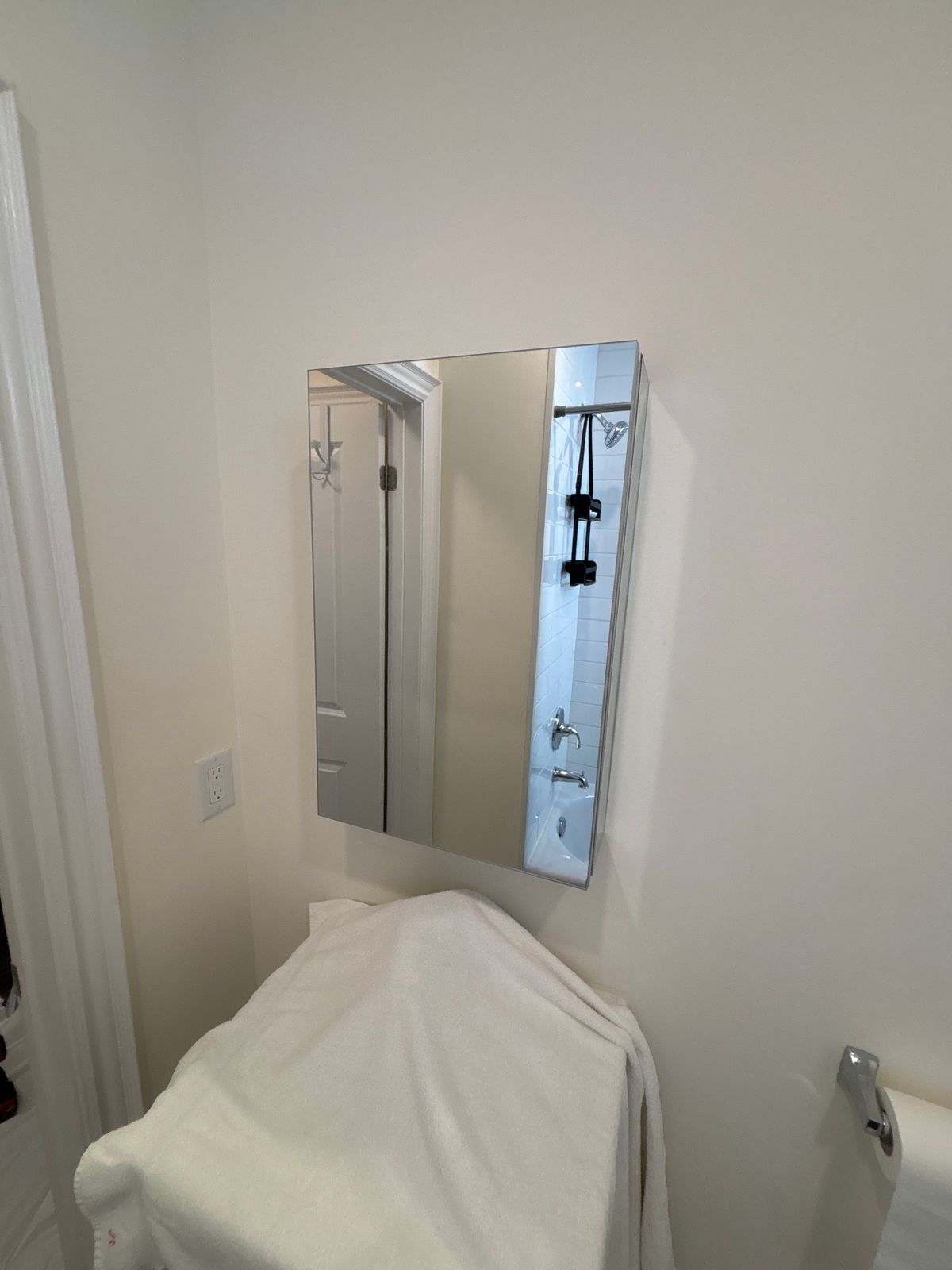
DIY vs. Hiring a Handyman for Medicine Cabinet Installation
Installing a medicine cabinet looks straightforward, but the execution separates a clean job from a costly mistake. The main difference comes down to wall prep, framing knowledge, and whether your walls cooperate.
When DIY Works
Surface-mounted cabinets on drywall are the easiest entry point. If you have basic tools, can read a level, and locate studs with confidence, you can handle it in an hour. You’ll need a drill, level, stud finder, and the right anchors for your wall type. This works well in bedrooms or offices where precision demands are lower.
When You Need a Pro
Recessed installations require cutting into walls, sometimes framing new openings, and managing electrical or plumbing behind them. Tile walls add complexity—one wrong cut can shatter a tile and cost $200+ to replace. Studs, headers, and load-bearing walls demand experience. In Toronto, where many homes are older with plaster walls or brick, hidden hazards are common.
Our experienced technicians at RenoHeal’s handyman service handle the hidden variables—finding the safest stud placement, ensuring perfectly level mounting, and protecting surrounding finishes. The cost of a professional install ($150–$300) is cheap insurance against a $500+ wall repair or a cabinet that won’t close properly.
Common Mistakes Homeowners Make Installing Medicine Cabinets
These slip-ups happen repeatedly, and most are avoidable with planning.
Wrong Placement or Height
Medicine cabinets look best at 48–60 inches from the floor to the cabinet’s center. Too low and it blocks sight lines; too high and it becomes inaccessible. Many DIYers eyeball it and end up with cabinets that look crooked in photos and feel awkward to use.
Ignoring Wall Structure
Recessed cabinets need to fit between studs—usually a 16-inch space. Mounting into studs instead of the gap, or not checking for studs at all, leads to awkward, shallow installation or misaligned openings. Hidden pipes or wiring behind the wall can cause expensive damage if not located first.
Skipping the Level
A cabinet that’s even slightly off-level becomes obvious every time you open the door—it swings wrong, closes poorly, and looks unfinished. Trust a real level, not your eye.
Tile and Finish Damage
Cutting into tile or marble backsplashes without proper technique destroys edges and grout. Drilling anchors into tile without a proper tile bit and pilot hole can crack it. In bathrooms across Scarborough, Mississauga, and Etobicoke, this is one of the costliest mistakes. Have the right tools (wet saw, tile bits) or call a professional.
Need a cabinet installed without the guesswork? Get a free estimate from our team.
How to Choose the Right Medicine Cabinet for Your Toronto Bathroom
Picking the right medicine cabinet means matching it to your actual bathroom layout, storage needs, and moisture conditions. Toronto’s climate brings humid summers and dry winters, so you’ll want a cabinet rated for moisture-resistant environments—look for stainless steel hinges and tempered glass rather than cheaper alternatives that rust or fog.
Size and depth matter most. Measure your wall cavity or the space above your sink carefully. Standard widths are 24, 30, or 36 inches; depths typically run 4 to 6 inches for recessed models, 3 to 4 inches for surface-mount. If you’re storing full-size bottles or multiple people’s medications, you’ll need deeper shelving.
Lighting and mirror quality affect daily usability. LED-backed mirrors cost more upfront but save energy and last longer than incandescent bulbs. A quality mirror won’t distort your reflection and should have anti-fog coating if humidity is high—common in bathrooms across Scarborough, North York, and Etobicoke.
Mirrored vs. solid doors: Mirrored fronts save counter space but can look cluttered if overstocked. Solid-door cabinets hide clutter but sacrifice quick mirror access. Consider your bathroom’s size and style. RenoHeal’s bathroom experts can help you assess which style fits your space and daily routine.
Frequently Asked Questions
How long does medicine cabinet installation take in Toronto?
A surface mount medicine cabinet typically takes 30–60 minutes to install. A recessed installation takes longer — usually 2–4 hours — because it involves cutting into the wall, locating studs, and patching or finishing the opening edges. If electrical work is needed for built-in lighting, add time for that separately.
Can a medicine cabinet be installed on a tile wall without cracking tiles?
Yes, but it requires the right technique and bits. A skilled installer uses a diamond-tipped drill bit at low speed with water cooling to drill through ceramic or porcelain tile cleanly. Surface mount cabinets are more forgiving here — recessed installs on fully tiled walls are much trickier and sometimes not practical without removing tiles.
Do I need an electrician if my medicine cabinet has built-in lighting?
It depends on what’s already in the wall. A plug-in unit can simply use an existing outlet nearby. Any hardwired connection, new circuit, or new rough-in wiring must be done by a Licensed Electrical Contractor under the rules of Ontario’s Electrical Safety Authority (ESA).
What size medicine cabinet fits a standard bathroom in Toronto?
Most Toronto bathrooms use cabinets in the 24-inch to 30-inch wide range, which suits a single-sink vanity well. Larger master bathrooms may accommodate 36-inch or double-door units. Always measure the wall space between any light fixtures and the vanity edges before purchasing — clearance matters more than the mirror size alone.
How much does it cost to install a recessed medicine cabinet versus surface mount in Toronto?
Surface mount installation in Toronto typically runs $150–$270 in labour, since it’s straightforward anchoring to studs or using wall anchors. Recessed installation costs more — usually $200–$400+ in labour — because of the wall cutting, framing adjustments, and finishing work involved. These figures don’t include the cabinet itself, which can range from $100 to $800+ depending on brand and features.
Will a handyman supply the medicine cabinet, or do I need to buy it myself?
In most cases, homeowners purchase the cabinet themselves from a retailer like IKEA, Home Depot, or a plumbing supply showroom, and the handyman supplies the installation labour and hardware. RenoHeal can advise on sizing and style before you buy, so you don’t end up with a cabinet that won’t fit your wall or rough-in conditions.
Medicine Cabinet Installation Toronto: The Bottom Line
Choosing between a recessed and surface mount medicine cabinet comes down to your wall construction, bathroom size, and budget. Recessed units look cleaner and save floor-level space, but they cost more to install and aren’t always feasible in every wall type. Surface mount cabinets are quicker to install and work on almost any wall — tile, drywall, or plaster — making them the practical choice when you want a fast, reliable upgrade.
Whatever style you choose, proper anchoring to studs, level mounting, and clean finishing around the edges are what separate a professional installation from a wobbly DIY fix. Getting those details right the first time saves you patching, repainting, and rehinging down the road.
If you’re ready to add storage and style to your Toronto bathroom, request a free quote from RenoHeal today. Our experienced technicians handle everything from wall prep to final leveling — visit our Bathroom Services page to see everything we can do for your space.