
A leaking shower door doesn’t have to mean calling three separate contractors. When you combine shower door seal replacement Toronto service with other bathroom fixes—like a worn faucet cartridge or missing towel racks—you cut travel time, setup costs, and overhead charges in half. One technician, one visit, one invoice. That’s how smart homeowners in the GTA handle bathroom maintenance.
We recently completed a project in Toronto where a condo owner tackled all three issues at once: the shower door seal had started leaking water onto the bathroom floor, the bathroom faucet was dripping, and two towel racks needed installation. Instead of booking three appointments over weeks, they scheduled a single handyman visit and saved money on dispatch fees, parking time, and coordination hassle.
This approach works especially well in condos and apartments across North York, Scarborough, and Markham, where space is tight and contractor access often requires advance building approval. Bundling repairs into one job means fewer sign-ins at the security desk and less disruption to your daily routine.
What These Three Bathroom Repairs Have in Common
At first glance, a shower door seal, a faucet cartridge, and towel rack brackets seem unrelated. But from a contractor’s perspective, they’re all quick bathroom fixes that share the same working conditions: moisture, tile surfaces, and access to plumbing or wall infrastructure.
Each task requires precision but minimal structural work. Installing a shower door seal means measuring, cutting to fit, and applying adhesive—no demolition. Replacing a faucet cartridge involves turning off the water, swapping a small component, and testing—fifteen to thirty minutes tops. Mounting towel racks requires drilling, anchoring, and leveling.
When bundled, these three jobs take one trained technician approximately one to two hours total, versus three separate one-hour appointments spread across weeks. You avoid paying three dispatch fees, three quote administration charges, and three parking fees. In Toronto condos, this also means one building access request instead of three.
The real savings comes from efficiency: one setup, one tool kit, one payment. Instead of coordinating schedules around three contractors, you book a single handyman service window and cross three items off your to-do list. That’s practical household management.
How Shower Door Seal Replacement Toronto Jobs Actually Work
Shower door seals wear out from constant moisture exposure, temperature swings, and years of opening and closing. In Toronto’s climate—especially during winter when bathrooms experience condensation cycles—silicone and rubber seals degrade faster than you’d expect. When the seal fails, water leaks onto the bathroom floor, risking mold growth and damage to subfloors.
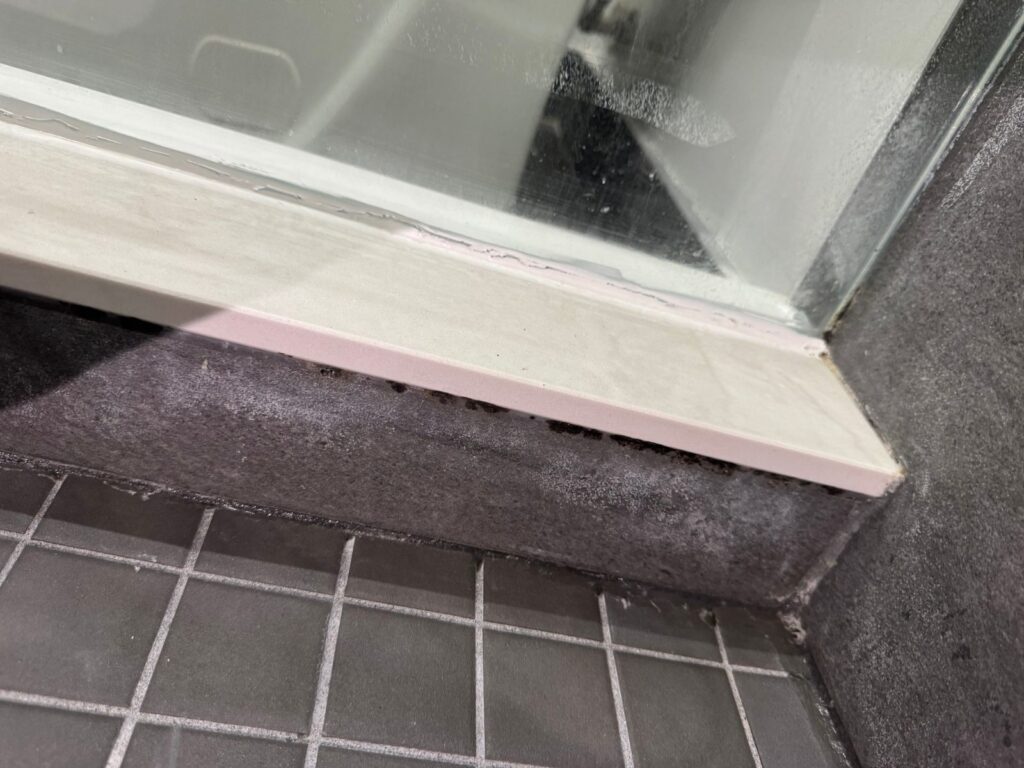
Worn sweeps let water reach the floor and the subfloor below, and Health Canada notes that ongoing dampness is what lets mould grow indoors. A shower door seal replacement Toronto visit usually takes under an hour once we have the right profile.
Here’s the actual process: First, the technician measures the door frame precisely—top, bottom, and sides—because seals come in standard widths but need custom length cuts. Next, they remove the old seal by prying it away from the aluminum frame (it’s glued on, so this takes care). The frame gets cleaned thoroughly with a degreaser to remove old adhesive, soap residue, and mineral deposits; any leftover gunk prevents the new seal from adhering properly.
Once the frame is dry, the technician applies a continuous bead of high-quality silicone sealant along the groove or channel where the seal sits, then presses the new seal firmly into place. It typically takes 24 hours to cure fully, so timing matters—you won’t shower that night.
Condo-specific tips: In Toronto high-rises and condos, ask the security desk about visitor parking for the service vehicle beforehand. Some buildings charge hourly rates or limit access hours. A single-visit approach means less time parked illegally. Also, let your neighbours know you’ll have the bathroom door open; steam and moisture can affect adjacent units through shared ventilation.
If the caulking around the rest of your bathroom needs attention—corners where tile meets vanity, or around the toilet base—mentioning it during the seal replacement visit adds minimal time and cost. We offer dedicated caulking services in Toronto as part of broader bathroom work.
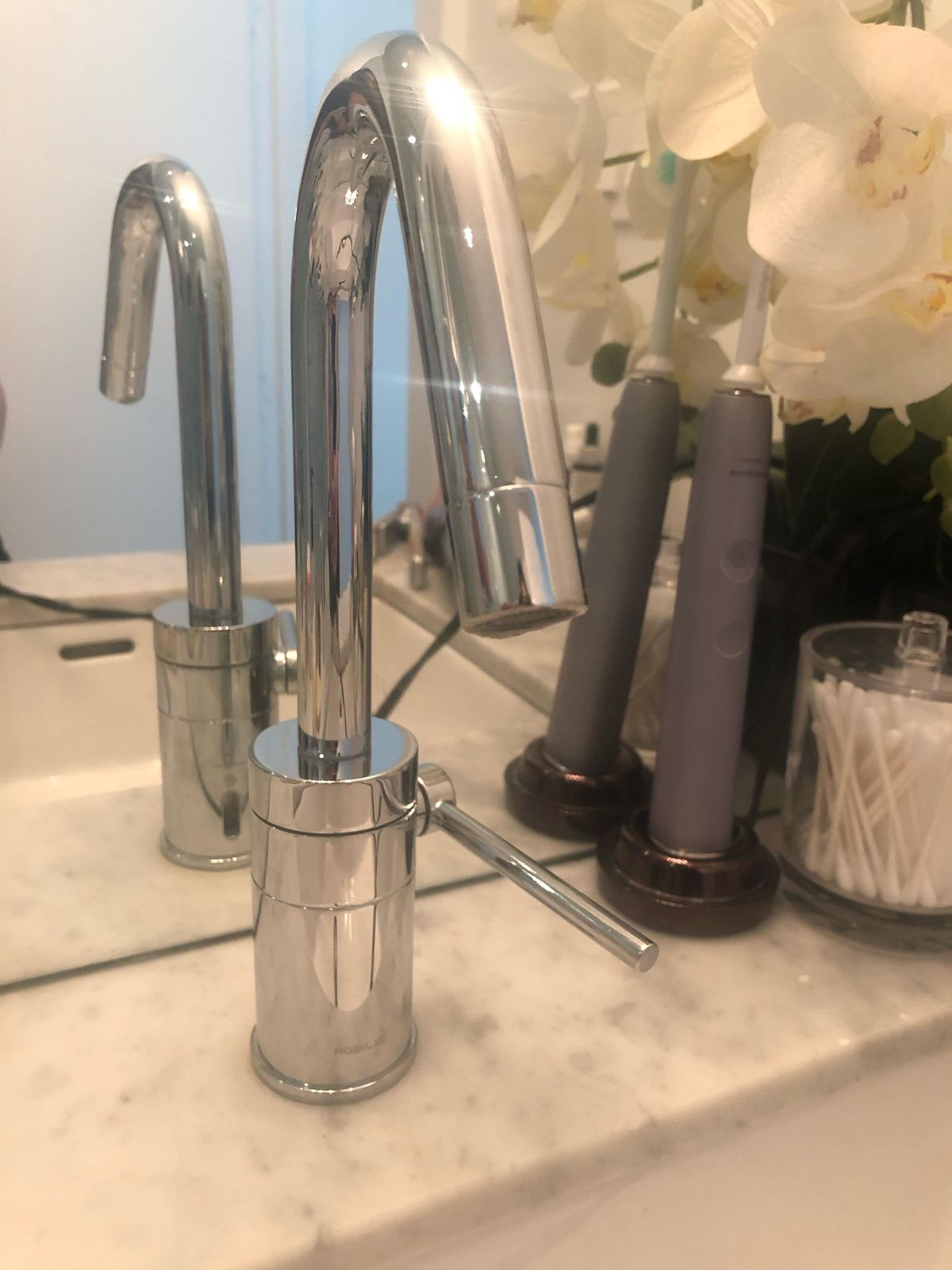
Replacing a Faucet Cartridge: What to Expect
A worn faucet cartridge is one of the most common reasons water drips from your tap even when it’s fully off. If you’re already scheduling shower door seal replacement, fixing the cartridge at the same time cuts your service call costs in half.
Signs Your Cartridge Is Failing
- Water drips steadily from the spout when handles are closed
- Hot or cold water won’t shut off completely
- Handles are stiff, cracked, or stuck in one position
- Low water pressure from one tap only
These problems typically mean the rubber seals inside the cartridge are worn or mineral deposits have built up. In Toronto’s hard water, cartridges often fail after 8–12 years.
The Replacement Process
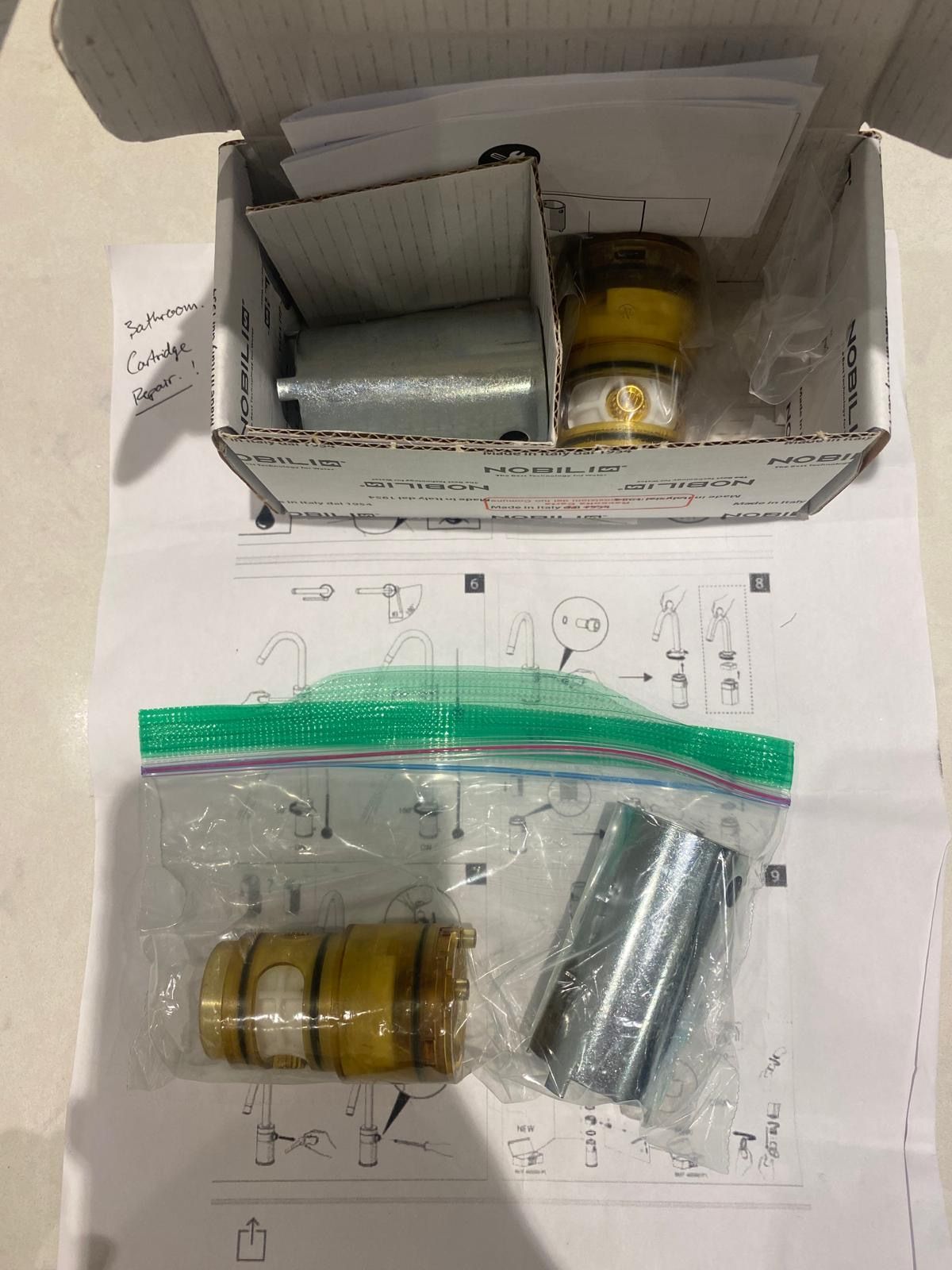
Our technicians turn off the water supply under the sink, remove the handle and trim ring, then unscrew and slide out the old cartridge. A new one slides in, the handle reattaches, and water flows clean again. The whole job takes 15–30 minutes per faucet.
Bring your cartridge model with you, or we’ll identify it on-site. Moen, Delta, Kohler, and Pfister cartridges vary, so matching the exact part matters. If you’ve already purchased the cartridge, we install it for labour only—many homeowners in Scarborough and North York do this to save.
Installing Towel Racks the Right Way (Especially in Condos)
Towel rack placement looks simple until you drill into drywall alone and the whole thing sags under a wet towel’s weight. In condo bathrooms across the GTA—especially in Toronto condos—the wall type and condo bylaws determine where and how you mount them.
Stud vs. Drywall Anchors
The strongest install is into a wall stud (typically behind tile or drywall). Our technicians use a stud finder to locate them, then drill pilot holes and screw the bracket directly into the wood. If studs aren’t where you need the rack, heavy-duty toggle bolts or expansion anchors rated for 15–25 pounds work in drywall.
Avoid light plastic anchors—they fail within months. For two small towel racks in a condo bathroom, we use commercial-grade stainless steel brackets that hold up to daily use in humid conditions.
Tile Walls & Condo Rules
Mounting on tile requires carbide-tipped drill bits and careful technique to avoid cracking. Drilling through grout is easier than drilling through the tile itself. Check your condo’s bylaws first—some buildings restrict wall penetrations without written approval, especially in units with shared walls.
Always ask your building’s security desk about visitor parking before we arrive. Many Toronto and Markham condos require guest permits, and we’ll coordinate with you to avoid parking fines.
Shower Door Seal Replacement Toronto Cost Guide (2026 CAD)
Bundling bathroom repairs is one of the smartest money moves you can make. Instead of paying a service call fee three separate times, you pay once and get multiple jobs done in a single visit. Here’s what homeowners across Toronto, North York, and Scarborough typically spend:
| Repair | Solo Job Cost | Bundled Cost | Labour Savings |
|---|---|---|---|
| Shower door seal replacement | $180–$280 | $120–$180 | $60–$100 |
| Faucet cartridge replacement | $150–$250 | $100–$150 | $50–$100 |
| Towel rack installation (each) | $80–$120 | $50–$80 | $30–$40 |
| Total (3 jobs separate) | $410–$650 | ||
| Total (bundled) | $270–$410 | $140–$240 | |
The main savings come from spreading the service call fee across multiple repairs. A technician coming to your Markham or Thornhill home charges once to diagnose and set up, then completes all three jobs without additional travel time. Material costs stay the same, but labour and mobilization drop significantly.
If you’re already calling someone in, make a list of small repairs you’ve been putting off. That loose caulk around the tub edge? That cabinet hinge that won’t stay put? Bundle them. When you get a free quote, mention all the work at once so you get an accurate bundled price.
DIY vs Hiring a Professional for These Bathroom Jobs
Not every bathroom repair is worth DIYing. Here’s how to decide for each one:
Pair the seal with a fresh bead from our Toronto caulking service, or see our shower installation page if the door itself needs replacing. We serve Toronto, North York and Etobicoke.
Shower Door Seal Replacement
DIY skill level: Moderate. Risk: Medium. You need a utility knife, silicone caulk or adhesive-backed tape, and patience. If the old seal is stubborn or the frame is uneven, you’ll struggle. Bad application leaves gaps that let water into walls—a costly problem later. If you’ve caulked before and your shower frame is clean and straight, try it. Otherwise, hire it out.
Faucet Cartridge Replacement
DIY skill level: Moderate to high. Risk: High. You need to shut off water, disassemble the handle assembly without damaging chrome finish, and install the new cartridge with the right orientation. One wrong step and you’ll flood the bathroom or end up with a leaky faucet that needs a professional fix anyway. Cartridges are model-specific—get the wrong one and you’re out $50–$100. Most GTA homeowners should hire this one.
Towel Rack Installation
DIY skill level: Beginner. Risk: Low. Find the studs with a stud finder, drill pilot holes, and use the right anchors for drywall. This is genuinely DIY-friendly if your walls aren’t tile. But if those racks go on ceramic tile or if you hit a pipe, you’ll need professional help fast.
The real advantage of hiring a handyman service for all three is speed and warranty. A professional completes the work in one visit, guarantees the caulk and cartridge installation, and if something fails, they’re liable. In Toronto’s humid climate, that warranty is worth the cost.
Common Mistakes Homeowners Make With These Repairs
The most expensive mistake is buying the wrong seal size. Shower door seals come in different profiles—bulb, sweep, and frameless—and if you grab the wrong one, it won’t fit your track or won’t seal properly. Water leaks into the wall cavity, leading to mold and rot that costs thousands to repair. Measure your existing seal (or the channel width) before ordering anything.
When replacing a faucet cartridge, many homeowners skip replacing the O-rings. The cartridge itself might be fine, but worn O-rings still drip or leak internally. If the part is already in your hand, swapping the rings takes two minutes and costs under $10—skipping this step means the leak comes back in weeks. Always ask for the O-ring kit when you order the cartridge.
For towel rack installation, the biggest failure is anchoring into drywall alone. In Toronto’s older units especially, a towel rack loaded with wet towels will rip right out if you don’t hit studs. Use toggle bolts or heavy-duty anchors rated for at least 25 pounds per anchor. If studs aren’t available, frame-mount into existing structures instead.
Combining these three repairs in one appointment means one visit fee, one parking headache, and one chance to check everything at once—rather than discovering problems one by one over months.
Frequently Asked Questions
How do I know what size shower door seal to buy before the technician arrives?
Measure the bottom sweep and side jamb seals with a tape measure, and note the door thickness (usually 3/8″ or 1/2″ for frameless glass). Take a photo of the existing seal’s profile — whether it’s a wipe seal, drip rail, or magnetic strip — so the technician can confirm the match before purchasing. If you’re unsure, our team can assess and source the correct replacement seal during the visit.
Can I supply my own faucet cartridge and still hire a handyman to install it?
Yes, you can supply your own cartridge, but make sure it’s the exact OEM or compatible replacement for your faucet brand and model — Moen, Delta, Kohler, and American Standard all use proprietary cartridges. Bring the model number from the faucet body or the old cartridge to the hardware store to avoid a mismatch. Keep in mind that if a supplied part fails, the warranty coverage typically applies to labour only, not the part itself.
How long does it take to replace a shower door seal and faucet cartridge in the same visit?
A shower door seal swap typically takes 30–60 minutes depending on door type and seal condition, while a faucet cartridge replacement usually runs another 30–45 minutes. Combined in a single visit, most homeowners are looking at 1.5 to 2 hours total — far more efficient than two separate appointments. Having all materials on hand before the technician arrives keeps the job moving without delays.
Will towel rack installation damage tile walls in my Toronto condo bathroom?
Properly drilled tile anchors won’t damage surrounding tile when the right bit and technique are used — a diamond-tipped tile bit at low speed with water cooling is the standard approach. The risk comes from DIY attempts with improper bits or excessive pressure, which can crack the tile face or grout lines. Our technicians use professional-grade tools suited for ceramic, porcelain, and natural stone tile, which is especially important in condo bathrooms where tile replacement is costly and subject to building approvals.
How much does it cost to replace a shower door seal in Toronto?
Labour for a shower door seal replacement in Toronto typically runs $80–$150 depending on the seal type and door configuration, with parts adding roughly $15–$60 for standard wipe seals or bottom sweeps. Magnetic seals and custom-cut frameless door seals can push material costs higher. Getting a combined repair quote — seal plus other small bathroom fixes — often makes better use of a minimum service call fee and lowers your effective cost per repair.
How often should a shower door seal be replaced?
Most shower door seals last 3–5 years under normal daily use before they start cracking, shrinking, or losing their watertight contact. In Toronto homes with hard water, mineral buildup accelerates deterioration, so seals may need attention closer to the 2–3 year mark. Inspect the seal annually — if you see visible gaps, water on the bathroom floor after a shower, or mold growing along the seal edge, it’s time to replace it.
Shower Door Seal Replacement in Toronto: Fix More, Spend Less in One Visit
A leaking shower door seal is a small problem that quietly causes big damage — warped floors, mold growth, and water-stained grout. Replacing the seal promptly, and pairing it with other pending bathroom repairs like a faucet cartridge swap or towel bar installation, means you pay one service call fee instead of three and get your bathroom back in working order the same day.
Toronto homeowners consistently find that bundling minor bathroom repairs saves 20–40% compared to booking each job separately. With hard water conditions across the GTA accelerating wear on seals and cartridges, staying ahead of these repairs protects your home and keeps renovation costs predictable.
RenoHeal’s fully insured technicians handle shower door seal replacement, faucet repairs, tile work, and more — all in a single visit. Request a free quote today, or explore our full range of bathroom services to see everything we can tackle while we’re there.