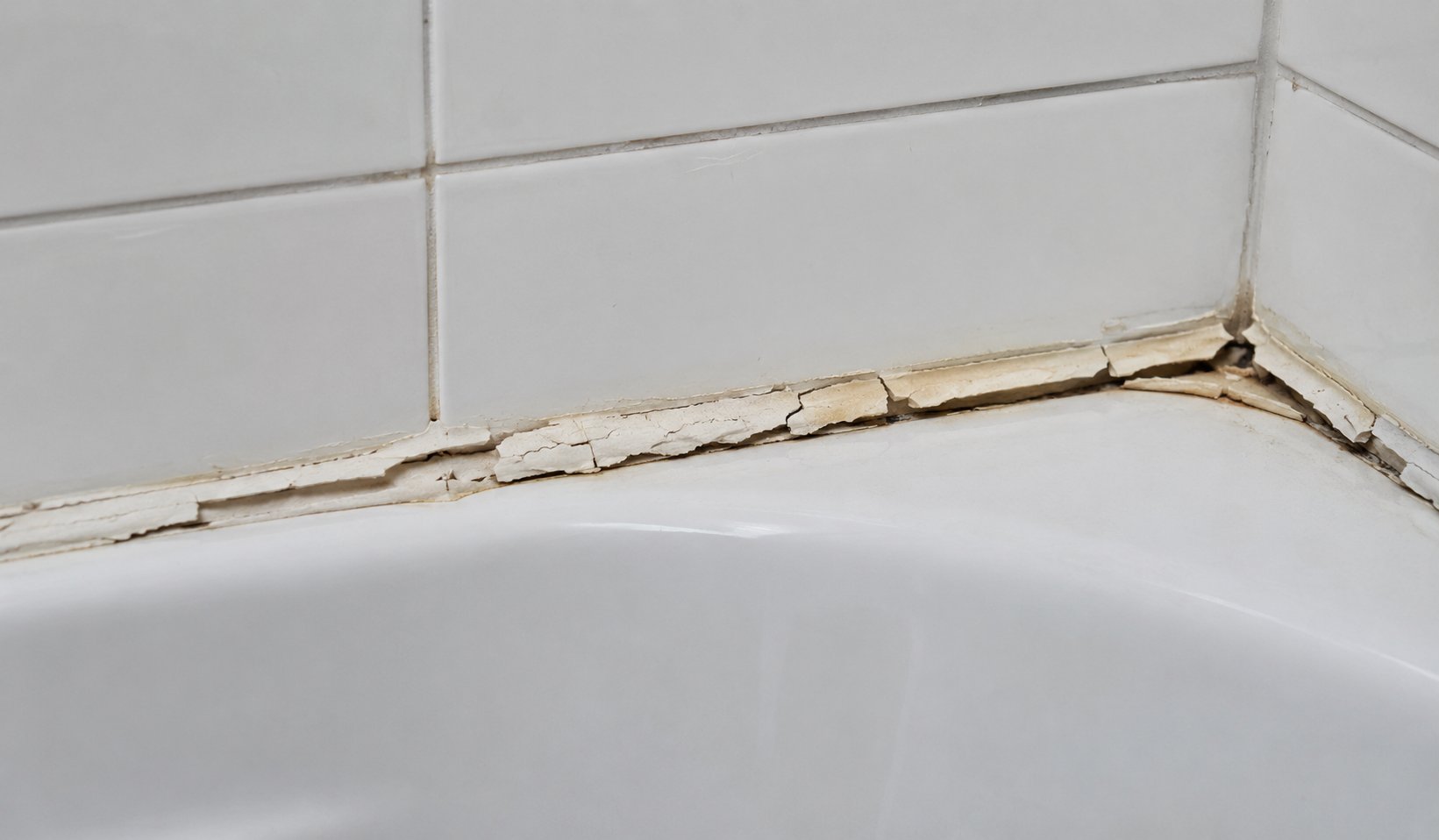
Many homeowners in Toronto replace their bathroom caulking only to see cracks appear again a few months later. Whether it’s around a bathtub, shower, sink, or backsplash, cracked caulking is more than just an appearance issue—it can lead to water damage, mold growth, and costly repairs.
If you’re searching for bathroom caulking Toronto, shower caulking repair, or caulking services near me, understanding why caulking fails is the first step toward a long-lasting solution.
Common Reasons Bathroom Caulking Cracks
Bathroom caulking is exposed to constant moisture, temperature changes, and movement.
The most common causes of cracking include:
- Low-quality silicone products
- Improper surface preparation
- Applying new caulking over old caulking
- Excessive movement between surfaces
- Moisture trapped underneath
- Incorrect application techniques
These issues cause the silicone to lose flexibility and eventually crack.
The Hidden Problem Most Homeowners Miss
The biggest reason caulking fails is movement.
Bathtubs, shower bases, countertops, and walls naturally expand and contract over time. When low-quality or improperly installed silicone cannot accommodate this movement, cracks begin to appear.
In homes throughout Toronto, seasonal humidity changes can accelerate this process.
How to Prevent Bathroom Caulking from Cracking
Proper installation is the key to long-lasting caulking.
Step 1: Remove All Existing Silicone
Old silicone should be completely removed before new application.
Step 2: Clean the Surface Thoroughly
Remove soap residue, mold, dirt, and moisture.
Step 3: Apply Mold Treatment if Necessary
Any mold must be treated before re-caulking.
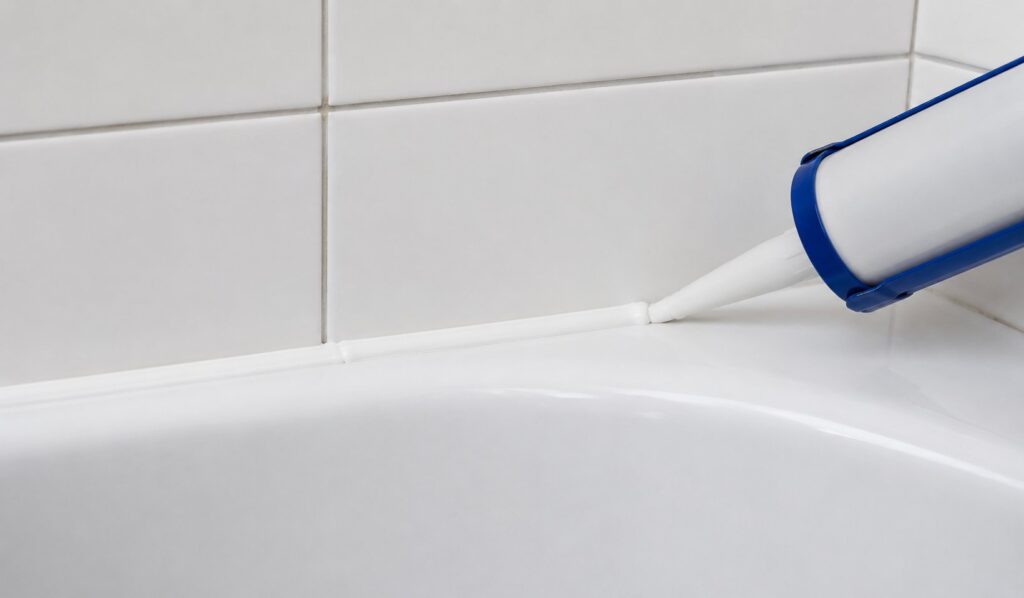
Step 4: Use Premium Mold-Resistant Silicone
High-quality silicone remains flexible longer.
Step 5: Allow Proper Curing Time
Avoid water exposure until the product fully cures.
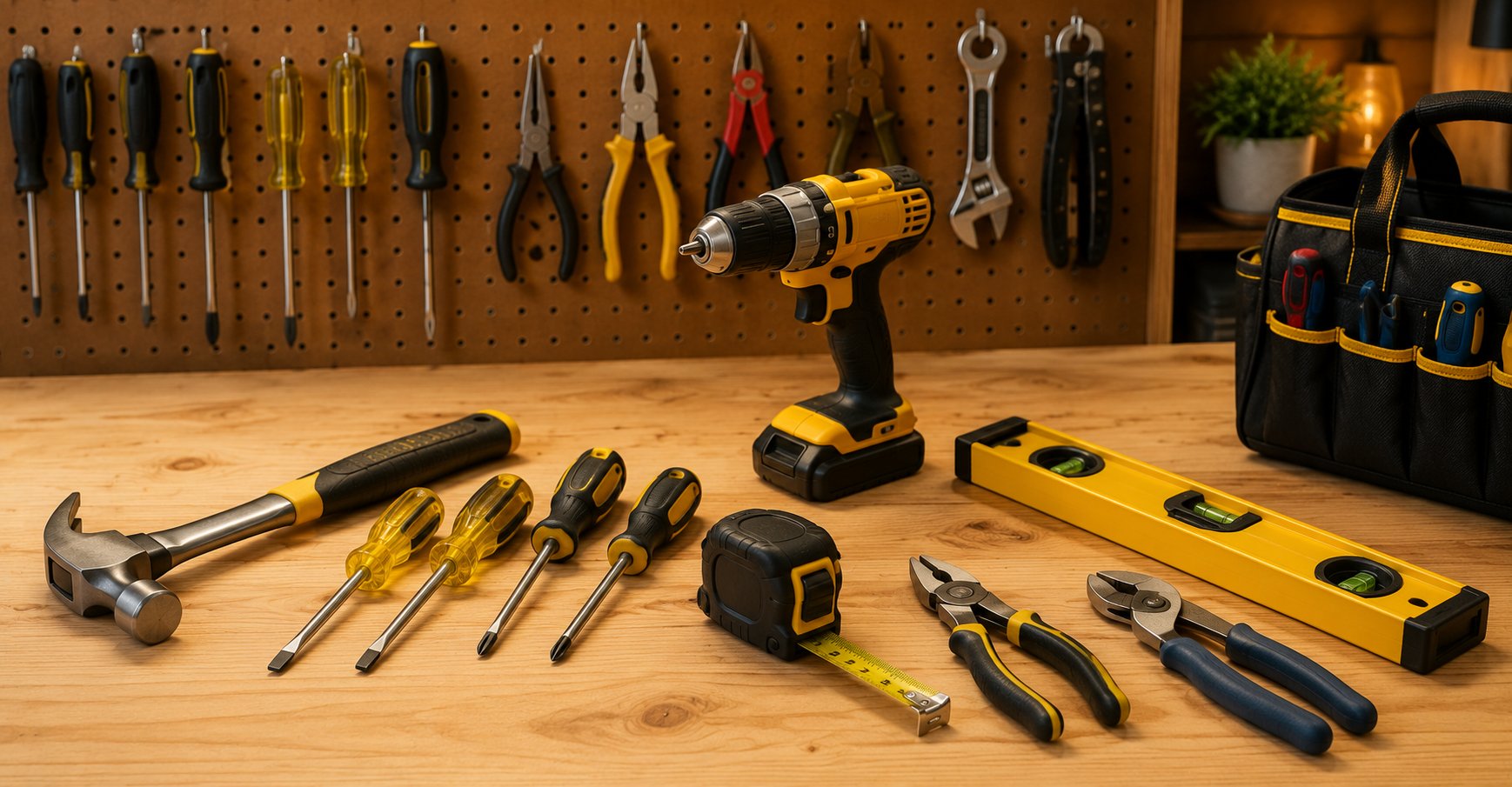
For caulking tools and materials, homeowners often visit Home Depot.
Why DIY Caulking Often Fails
Many homeowners attempt quick fixes by applying new silicone directly over old caulking.
Common DIY mistakes include:
- Poor surface preparation
- Incomplete silicone removal
- Uneven application
- Using low-quality products
- Skipping mold treatment
Professional Caulking Services Toronto ensure proper preparation and long-lasting results.
If mold is present behind the silicone, expert Mold Removal Services Toronto may be required before re-caulking.
For additional repairs around bathrooms and kitchens, reliable Handyman Services Toronto can complete multiple maintenance tasks during the same visit.
Signs It’s Time to Replace Your Bathroom Caulking
You should consider replacement if you notice:
- Visible cracks
- Black mold growth
- Gaps between surfaces
- Water leaks
- Peeling or shrinking silicone
- Persistent musty odors
Ignoring these warning signs can lead to hidden moisture damage.
RenoHeal Bathroom Caulking Services in Toronto
RenoHeal provides professional bathroom caulking services throughout the GTA. We remove old silicone, treat mold when necessary, and apply premium-grade mold-resistant caulking designed for long-term durability.
We proudly serve homeowners in Toronto, North York, Vaughan, Richmond Hill, Markham, Aurora, Newmarket, Mississauga, and Brampton.
Why Homeowners Choose RenoHeal
Homeowners trust RenoHeal because of:
- 478+ Google Reviews
- 4.9-Star Rating
- Fully Insured ($5 Million Liability)
- WSIB Coverage
- Professional Technicians
- Fast Scheduling
We focus on solving the root cause of caulking failure—not just covering it up.
At RenoHeal, we take pride in delivering clean, durable, and professional home repairs that protect and improve your property.
Call 647-657-6367 or Request a Free Quote today.
Learn more about our Caulking Services in Toronto.
Follow our renovation projects and tips on Instagram and YouTube.
RenoHeal proudly serves homeowners across the GTA including Toronto, North York, Vaughan, Richmond Hill, Markham, Aurora, Newmarket, Mississauga, and Brampton.